



One Day, One Chance. Does Ek Din Actually Deliver?
I’ll be honest with you. I walked into the theatre this morning with the kind of low-key anxiety that has nothing to do with the film itself. It was more about the people in it. Junaid Khan, still finding his footing in a film industry that is simultaneously his birthright and his most complicated obstacle. And Sai Pallavi, finally making her Bollywood move, carrying the weight of an entire southern fanbase who have followed her from village fields and folk dances all the way to a snow-covered Japan. That is a lot riding on one release date.
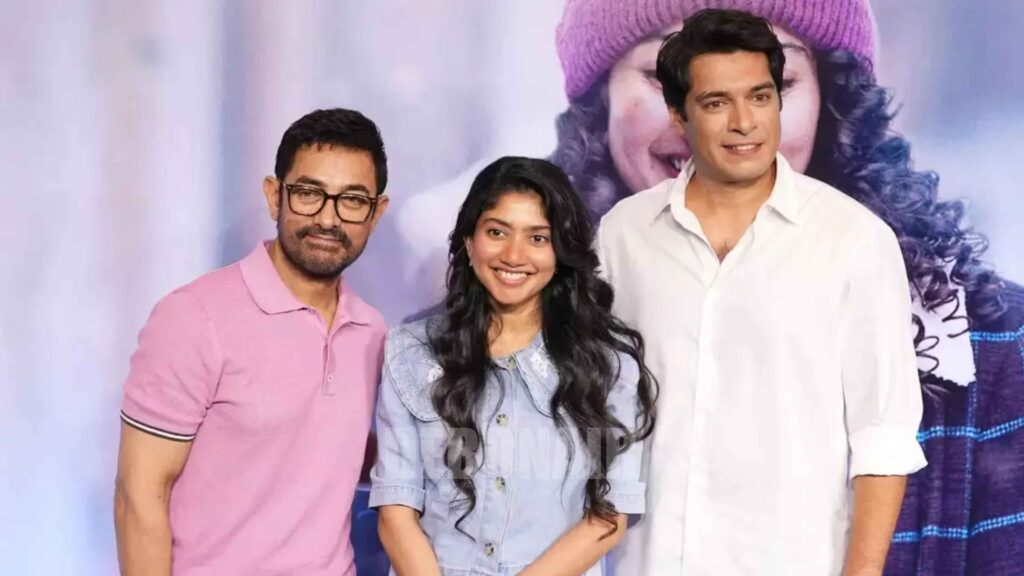
Ek Din opened today, May 1, and depending on which review you caught over your morning chai, your expectations are either softly warm or mildly cautious. Mine landed somewhere in the middle. And after sitting through it, that’s roughly where they stayed.
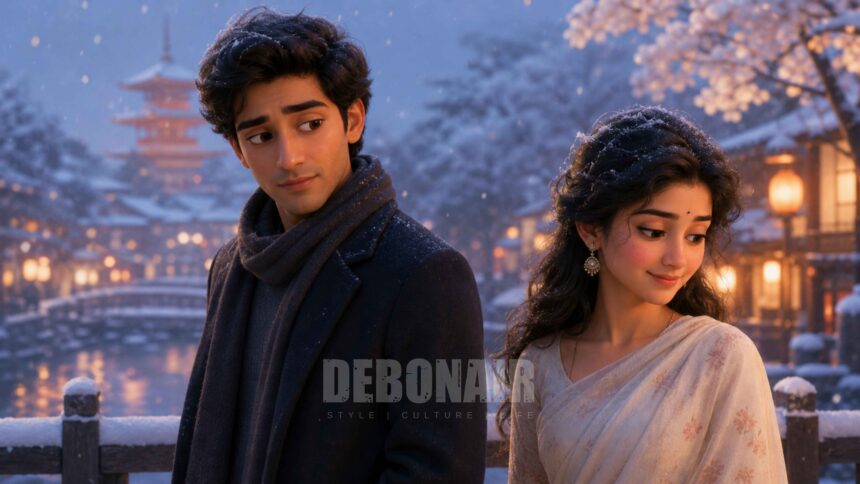
The setup is the kind of thing that works better when you don’t overthink it. Rohan is an IT guy. Noida office, background noise, the person everyone forgets to invite. He is completely, helplessly in love with Meera, a colleague from the south who, as he describes her at one point, speaks Hindi in Tamil. She doesn’t know he exists, not really.
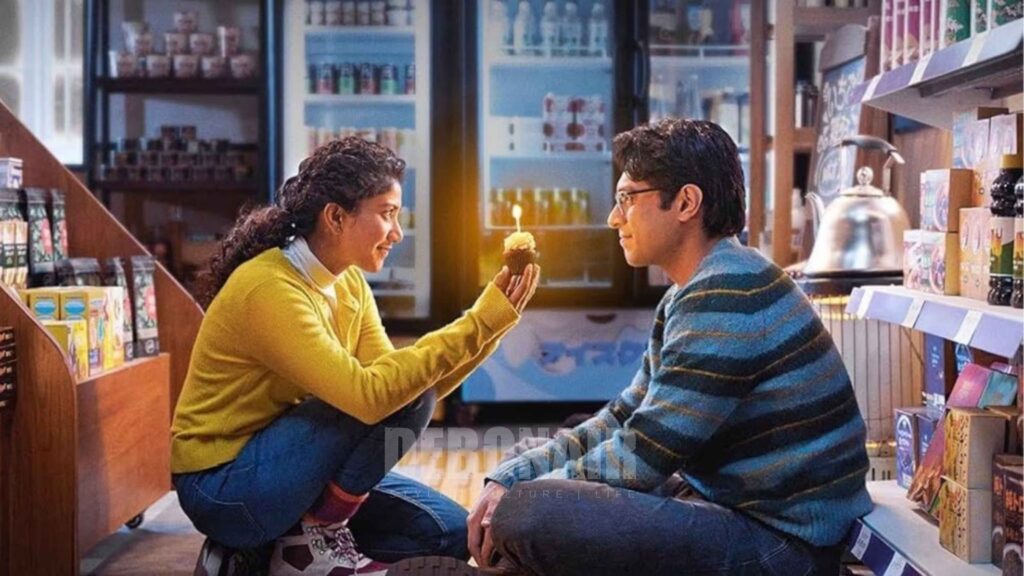
She’s wrapped up in something with the office boss, and Rohan has made a quiet peace with watching from the edges. Then the company trips to Japan. There’s an accident. Meera wakes up with a medical condition called Transient Global Amnesia, which wipes her memory clean for exactly 24 hours. And Rohan, standing right there in the middle of a Sapporo snowfield with his whole unlived love and absolutely nothing to lose, tells her they’re together.
That premise could go wrong in about forty different directions. To the film’s credit, it mostly doesn’t.
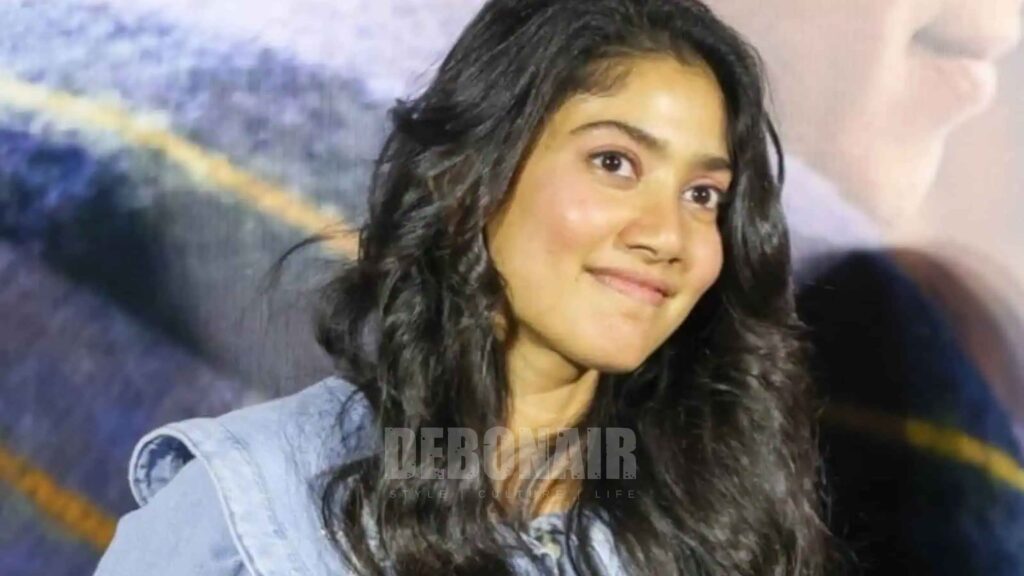
Sai Pallavi is the reason to go. I’ll just say that plainly. She walks into her Hindi debut and immediately makes it look like she’s been here the whole time, like she took a long weekend somewhere else and came back without skipping a beat. Her Meera isn’t some decorative love interest. She’s funny and a little stubborn and entirely real, and there are moments where the camera just holds on her face and she says everything without saying anything.
One particular scene where she dances, and if you know her work from down south you know she can move in a way that makes your chest hurt a little, lands differently than the rest of the film. It lands like a gut punch dressed in joy. She’s extraordinary. That’s just what she is.
Junaid is harder to talk about because the answer keeps shifting. He fits the character physically, the slightly caved-in posture of a man who has spent years trying not to take up too much space. And there’s a sweetness to his performance that reads as genuine rather than performed. But there are moments, the heavier ones, where the film needed him to crack open a little and he stays sealed. You understand what he’s feeling. You just don’t feel it with him. And that gap, small as it sounds, matters more than you’d think when the whole film is essentially one long emotional sprint toward a single moment of release.
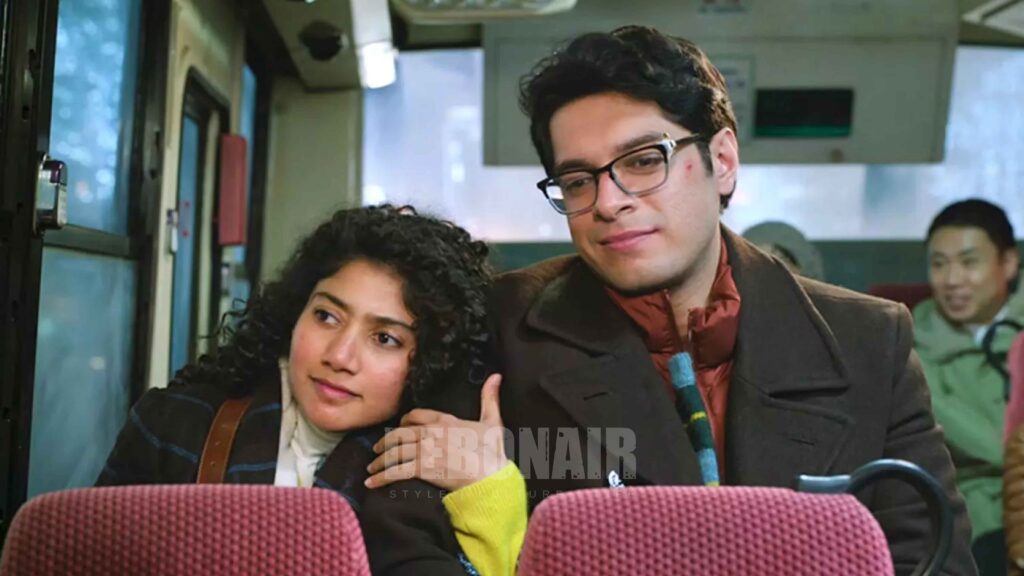
Which brings me to the ending. The climax is where Ek Din loses a step it had been so carefully building. The first half earns your trust slowly. Japan helps enormously, it’s shot by Manoj Lobo with this hazy, snow-globe quality that makes everything feel suspended and slightly dreamlike, which is exactly the register the story needs. Ram Sampath’s music settles into scenes rather than announcing itself, especially the title track, which is the kind of song that starts playing in your head somewhere around interval and doesn’t leave for three days. The writing in the early sections has a warmth that sneaks up on you.
But the back half tightens when it should open. The emotional payoff that the whole thing was quietly promising arrives a little muffled, a little held back, and you sit there in the dark wanting to feel more than you do. The critics haven’t been unkind exactly. Sweet and pleasant, said one. One note short of impact, said another. Both feel accurate.
There’s something about the current moment that makes a film like this both necessary and fragile. Multiplexes right now want scale. They want things that go boom or at least trend loudly. A story about a man standing in a Japanese snowstorm wishing for one borrowed day with a woman who doesn’t know he loves her doesn’t come with that kind of engine. It relies entirely on you leaning in, on you being the kind of person who still believes that quiet love is worth two hours of your Thursday afternoon.
Aamir Khan clearly believes in this one. The ₹92 ticket screenings with personal appearances, the kind of grassroots hustle that felt more 2008 than 2026, were a signal that this wasn’t just another slot-filler on the production slate. He showed up for it. Whether the audience does the same over the weekend is the question the box office is currently trying to answer.

So here’s where I land. Ek Din is not the film of the year. It has loose threads, an uneven second half, and a lead performance that occasionally watches the emotion rather than inhabiting it. But Sai Pallavi in this film is the kind of debut that gets talked about for years. The Japanese visuals are genuinely beautiful. The music is good in that rare way where it doesn’t feel like marketing. And the story, under all its imperfections, is actually trying to say something real about longing, about the particular ache of loving someone from the wrong side of a distance you never knew how to close.
Give it one day. It sort of earns that much.
Stay updated with the latest in fashion, lifestyle, and celebrity stories—straight from the world of Debonair. Follow us on Instagram, X (Twitter), Facebook, Youtube, and Linkedin for daily style and culture drops.

Zayn blends critical thinking with genuine fandom. Whether it’s decoding OTT series arcs or rating the latest Bollywood blockbuster, he writes with clarity, pop fluency, and a dash of irreverence.