




The Croisette Does Not Forget: Sebastian Stan Returns to Cannes, and He Has Things to Say
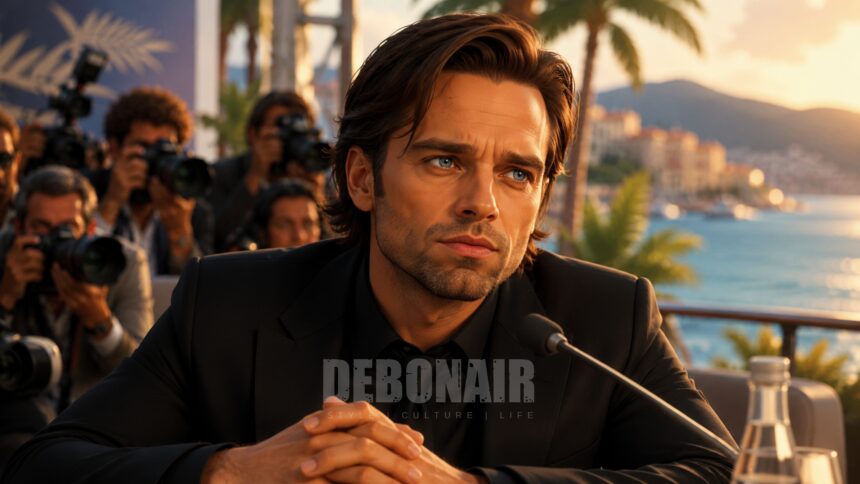
There is something about the French Riviera in May that strips people down to exactly who they are. The light does it. The sea does it. Two weeks of cinema and consequence pressed into a strip of coastline where the world watches and the cameras never stop. And this year, standing at a Cannes press conference for his new film Fjord, Sebastian Stan looked down, shook his head, and said something that made an entire room go quiet.
The question was simple enough. How has your understanding of Donald Trump evolved since you last brought a film about him to this very festival?
The press room laughed. Nervously, the way rooms laugh when they think someone is about to dodge a grenade. But Stan did not dodge. He looked up. The expression on his face shifted into something fierce and completely unsmiling.
“It’s just not a laughing matter, to be honest. It isn’t.”
The room went still.
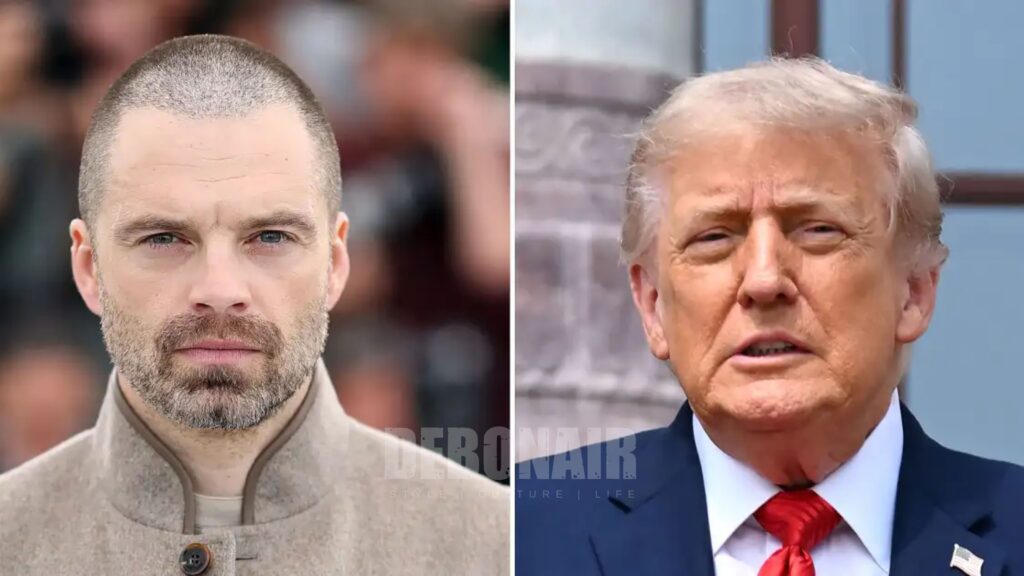
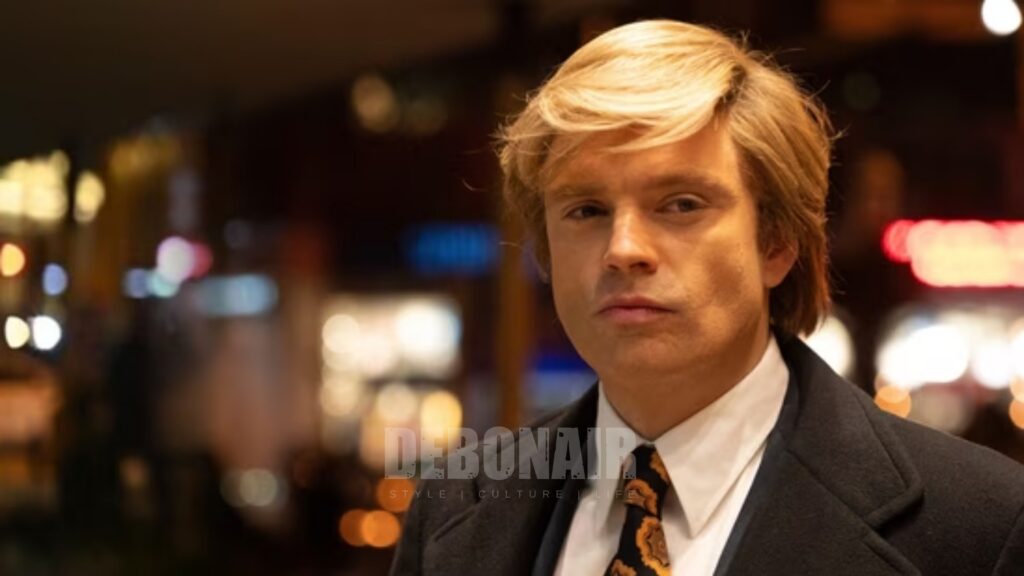
Truth is, Sebastian Stan has history with this particular corner of the world. Back in 2024, he brought Ali Abbasi’s The Apprentice to Cannes, a film in which he played a young Donald Trump climbing through the grimy scaffolding of 1980s New York real estate, learning manipulation and ruthlessness at the knee of fixer Roy Cohn, played with unsettling precision by Jeremy Strong. It was a bold, uncomfortable film. And before a single frame played on the Croisette, the pressure to kill it had already begun.
Three days before the festival, the cast and crew did not know if the film would screen at all. Trump had threatened a lawsuit. Called it garbage. Called it pure fiction. His legal team sent a cease and desist letter to the producers to keep it from American audiences. The kind of noise designed not just to intimidate but to exhaust, to drain the will out of anyone who dared put it in front of an audience.
It screened anyway.
And now, standing on the same ground a year into Trump’s second term, Stan connected those dots with the kind of clarity that comes from having already lived through the preview. “When you’re looking at what’s happening, which is the consolidation of the media, censorship, the threats, the supposed lawsuits that seemingly never end but don’t actually go anywhere, the writing was on the wall,” he said. “We encountered all that with the movie. We went through all of it right before Jimmy Kimmel and Stephen Colbert.” Then, quieter: “I wish it wasn’t like that.”
He added something that stuck. That he is, in his own words, still purging from the role.
There is something layered in that admission. Playing someone is not just mimicry. It is excavation. You find the logic of a person, however warped, and you inhabit it. Stan did that with a performance that earned him a Best Actor Oscar nomination. Jeremy Strong earned a Supporting Actor nod alongside him. And yet, the cultural footprint of The Apprentice landed softly at the box office, pulling roughly four million dollars in North America, an almost ironic number given the noise made to silence it.
But Stan does not seem interested in relitigating box office math. He seems interested in the larger pattern he watched unfold in real time, a pattern he says the film documented before it became daily headline fodder. “Maybe people are paying more attention to that film now,” he said. “I think it will stand the test of time for that.”
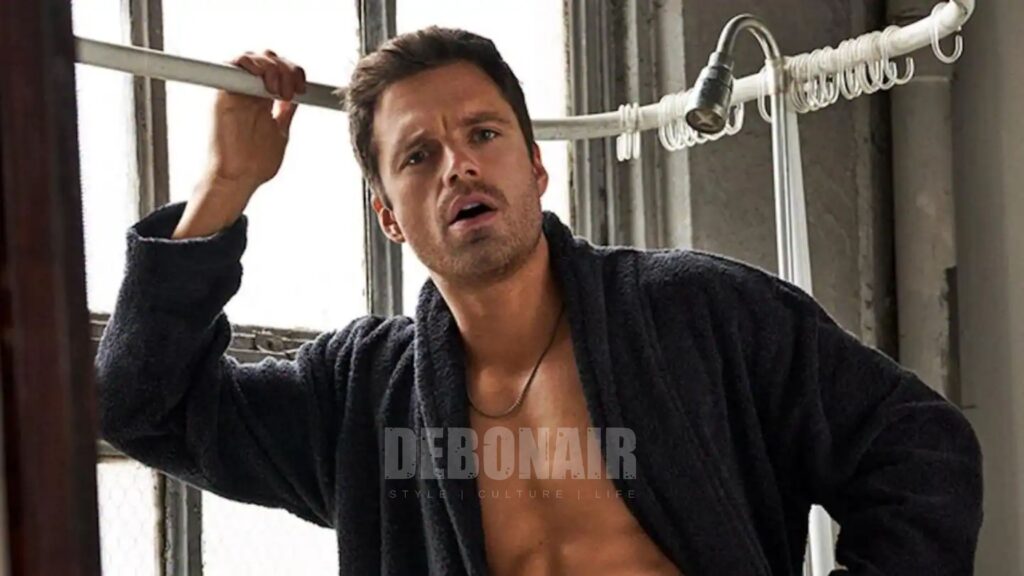
He is at Cannes this year for something entirely different. Fjord, directed by Cristian Mungiu in his English-language debut, features Stan as a Romanian Christian conservative. The film earned a ten-minute standing ovation. Stan and his co-star Renate Reinsve were reportedly moved to tears. It is the kind of response that reminds you why anyone bothers making serious cinema at all.
And yet the ghost of The Apprentice followed him to the podium anyway. Because art does not expire. Because the questions it asked in 2024 are louder now in 2026. Because Sebastian Stan, standing in the Cannes sunlight, said what a lot of people in that press room were already thinking, and said it without the cushion of a punchline.
Honestly, it felt like watching someone speak from a place of genuine weariness. Not performative outrage. Not a press junket talking point. Just a man who spent months inside the psychology of a figure who is now reshaping the country where he built his career, saying plainly: we are not okay.
The room had laughed first. He made them stop.
That matters more than most things that happen at Cannes.
Stay updated with the latest in fashion, lifestyle, and celebrity stories—straight from the world of Debonair. Follow us on Instagram, X (Twitter), Facebook, Youtube, and Linkedin for daily style and culture drops.

Sana has been covering film, fame, and everything in between for over a decade. From red carpets to rehab rumors, she brings nuance, wit, and an insider’s edge to every story. When she’s not reporting, she’s probably watching Koffee With Karan reruns or doom-scrolling celebrity IG feeds.