




There’s something about a father’s face when he watches his child become someone completely unrecognisable on screen. Not bad unrecognisable. Not wrong. Just, different. Shifted. Like he’s looking at the same eyes in a stranger’s body.
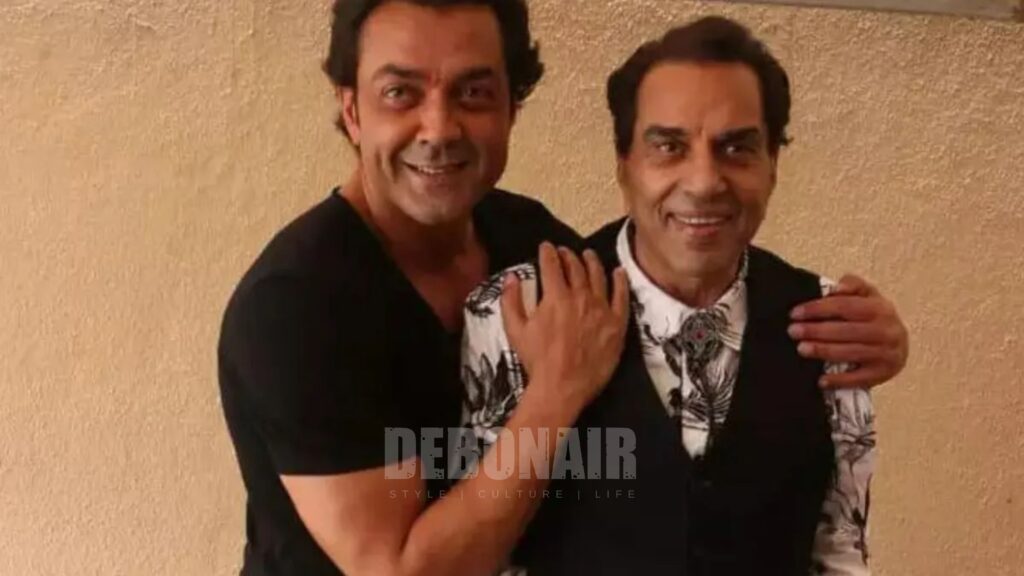
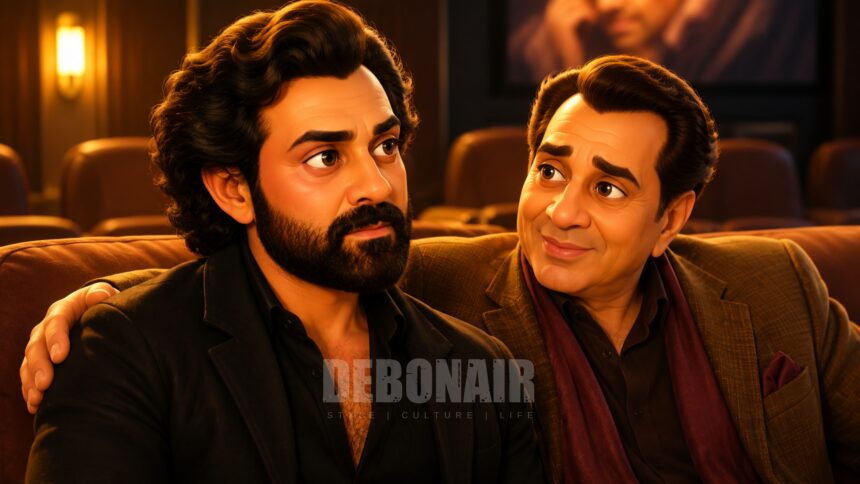
That’s exactly what happened when the legendary Dharmendra sat down to watch his son Bobby Deol in Animal, Sandeep Reddy Vanga’s blood-soaked, morally anarchic blockbuster that broke every rule of civil Bollywood and then some. And his first question, delivered with the kind of blunt parental honesty only a father of Bobby’s stature could summon, was simply: “Tu villain hai?”
You’re the villain?
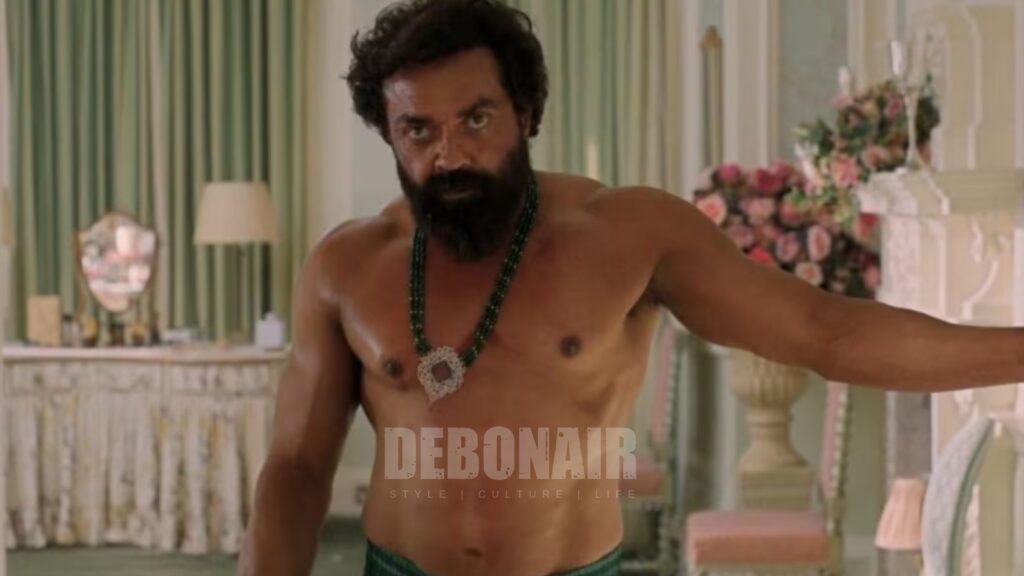
Bobby told the story recently, and honestly, it’s the kind of moment that stays with you. Not because it’s shocking. But because it’s so tender. So human. This is Dharmendra, the man who spent decades on screen as the indestructible he-man, the golden boy of Hindi cinema, the original action hero with a smile that could light up a whole auditorium. And here was his younger son, eyes cold, body massive, playing Abrar Haque, a mute, differently-abled, axe-wielding psychopath in a film that half of India watched through their fingers.
Bobby’s response to his father? Simple, steady: “Yes, Papa, but it’s a good role.”
And it was. God, it was.
When Animal dropped in December 2023, nobody quite knew what to do with Bobby’s performance. He barely spoke. He didn’t need to. He portrayed a differently-abled psychopath who hacks people to death, complete with an unnerving, unflinching smirk, and somehow made it feel inevitable. Every frame he walked into, the temperature dropped. Ranbir Kapoor, who leads the film as the obsessive, blood-loyal Rannvijay, was reportedly stunned by what his co-star was pulling off on the days they didn’t even share a set. “Bobby was way braver than me,” Ranbir said during promotions. He’d come back from Bobby’s shoot days genuinely shaken by what he’d heard.
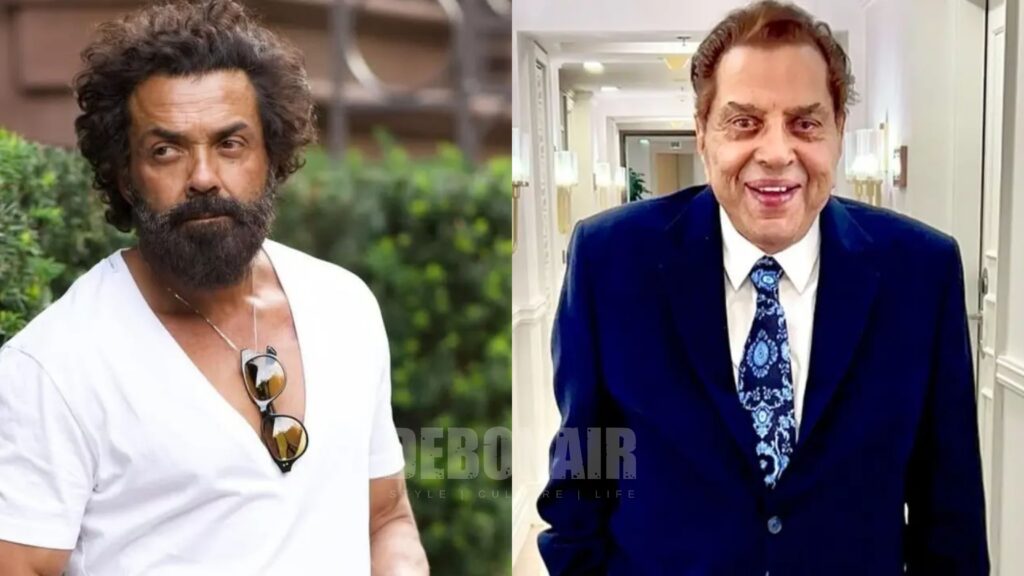
That’s the thing about Abrar Haque. He wasn’t just a villain. He was a statement.
Truth is, Bobby Deol’s re-emergence as an actor of genuine menace didn’t happen overnight. The global pandemic ended up being the turning point, pushing him toward a string of gritty OTT work including Prakash Jha’s Aashram and Class of 83, projects that reminded the industry, and Bobby himself, that there was real range sitting underneath all those years of lighter fare. By the time Vanga came calling, Bobby was ready. More than ready.
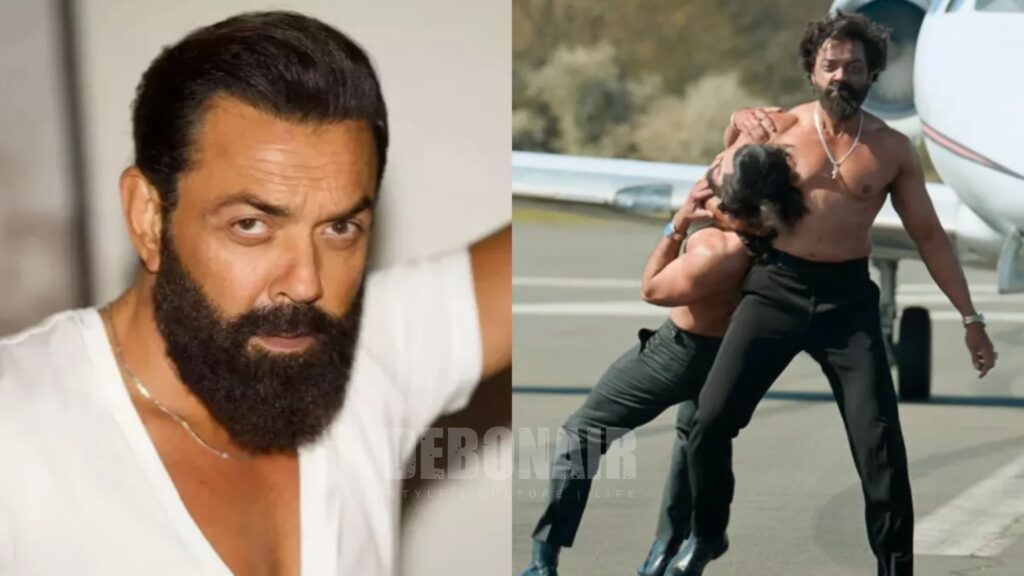
Vanga had cast Bobby after being captivated by a single photograph. His exact words, as Bobby recalls them: “Your expression in this photograph, I want you because I like this expression.” Just one image. No audition, no screen test. That expression said everything Vanga needed to know.
Bobby would later explain his own approach to the role, and it tells you something about how seriously he took the whole thing. He didn’t think of Abrar as the villain at all. For him, Abrar was the hero of his own family, a man driven by obsession and revenge, not pure evil. That distinction matters. It’s why the performance never tips into cartoon territory. There’s a grief underneath all the violence, something almost pitiable, which makes him more frightening, not less.
His mother, Prakash Kaur, watched the film and reportedly couldn’t handle his death scene. She had to look away.
And then there was Dharmendra.
When Bobby explained that yes, he was the villain, but it was a good role, Dharmendra considered this for a moment and then broke into pride. “Tu ab Lord Bobby ban gaya hai?” he told his son. You have become Lord Bobby now.
Lord Bobby. There’s something about that phrase that just lands perfectly. It captures the whole arc of this man’s comeback in four words. Because that’s exactly what happened with Animal. Bobby didn’t just play a villain, he became an icon. The finger-on-lips pose went viral before the film even released. The silence became a superpower. He walked away with the Best Actor in a Negative Role award at the Dadasaheb Phalke Awards in 2024, and then, almost immediately, the industry came knocking again with bigger, darker, more complex parts.
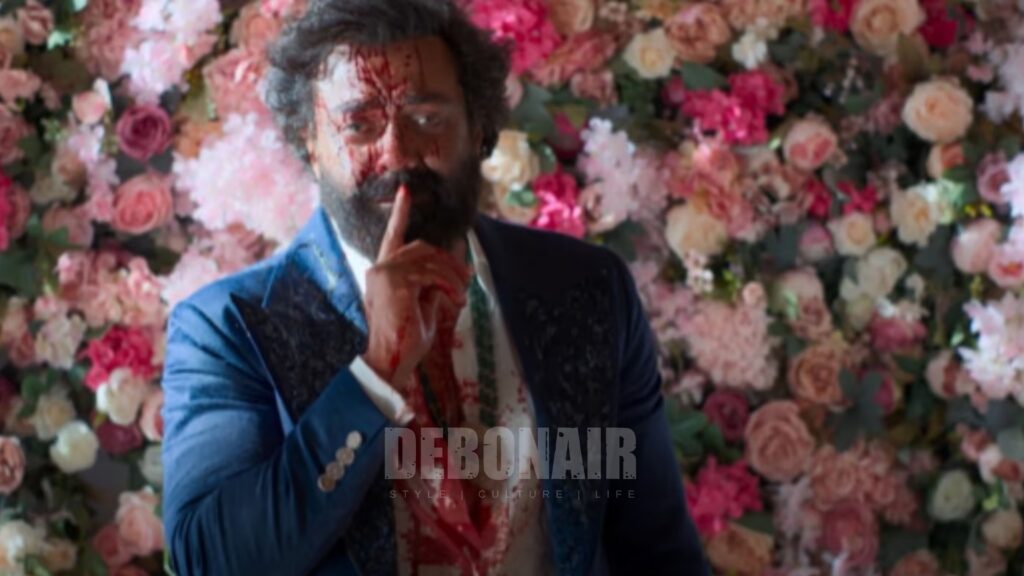
Animal was, to use Bobby’s own words, a real shot in the arm for his career. He said around that time that he wished he’d had this fire in his twenties. That he had it now, pushing toward his mid-fifties, almost makes the whole story better.
Because here’s the catch, and it’s worth sitting with: the industry had written Bobby Deol a certain story. The handsome son of Dharmendra, the romantic hero of the nineties, the guy who made you smile in Gupt and then slowly, quietly faded from the conversation. That story felt finished. Sealed.
Animal ripped the ending out and started a new chapter entirely.
And somewhere, watching all of it unfold, Dharmendra asked his son one simple question. Got a simple answer. And decided his boy had become a lord.
Sometimes that’s all the review you need.
Stay updated with the latest in fashion, lifestyle, and celebrity stories—straight from the world of Debonair. Follow us on Instagram, X (Twitter), Facebook, Youtube, and Linkedin for daily style and culture drops.

Sana has been covering film, fame, and everything in between for over a decade. From red carpets to rehab rumors, she brings nuance, wit, and an insider’s edge to every story. When she’s not reporting, she’s probably watching Koffee With Karan reruns or doom-scrolling celebrity IG feeds.