



The city was waking up to its usual January haze when a line cut through the noise, sharp, devotional, impossible to ignore. “God’s own child.” It landed on timelines like a matchstick. Not whispered. Not hedged. Spoken with the kind of conviction that only comes from someone who knows exactly what they are stirring.
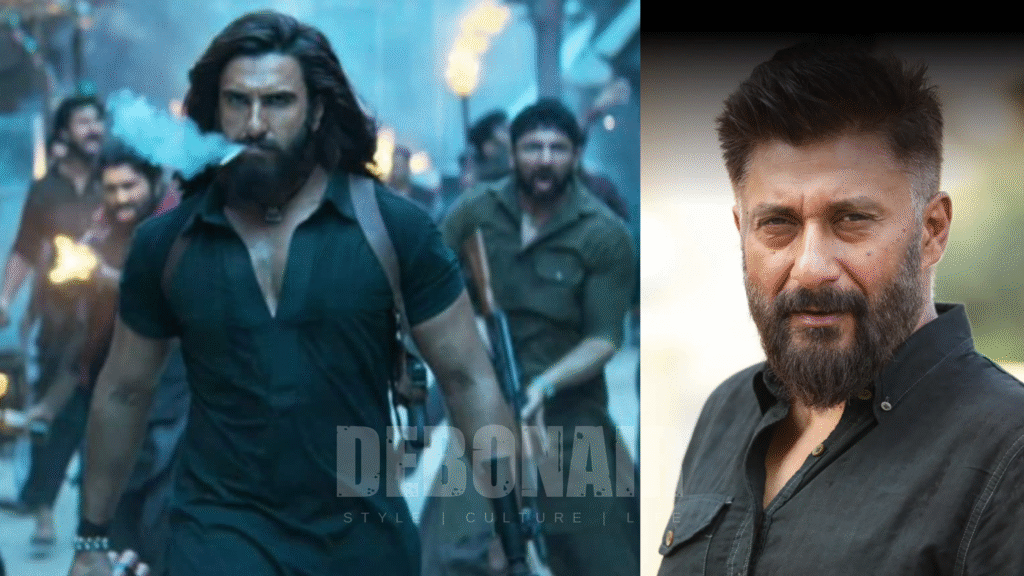
The words came from Vivek Agnihotri, fresh back in India, surveying the cinematic landscape with the eyes of someone who has spent years swimming against it. His subject was Dhurandhar, and his praise was not polite applause. It was reverent. He called director Aditya Dhar “God’s own child,” a phrase so loaded it almost felt biblical in a business addicted to cynicism.
There is something about a filmmaker praising another filmmaker that always feels more revealing than a critic’s column. It is not about box office graphs or weekend math. It is about recognition. Agnihotri wrote that this kind of cinema does not happen by chance. That sentence lingered. It spoke of planning, obsession, long nights of writing, a production held together by belief rather than trend. Vision. Writing. Cohesiveness. The kind of words people use when they feel they have witnessed intention, not accident.
Truth is, Dhurandhar has been moving through theatres like a force that refuses to be background noise. Audiences did not just watch it. They debated it in parking lots, dissected it over late dinners, and argued about it in group chats that were supposed to be about something else entirely. The film’s craft has been hard to ignore, its scale matched by an insistence on authorship that feels increasingly rare.
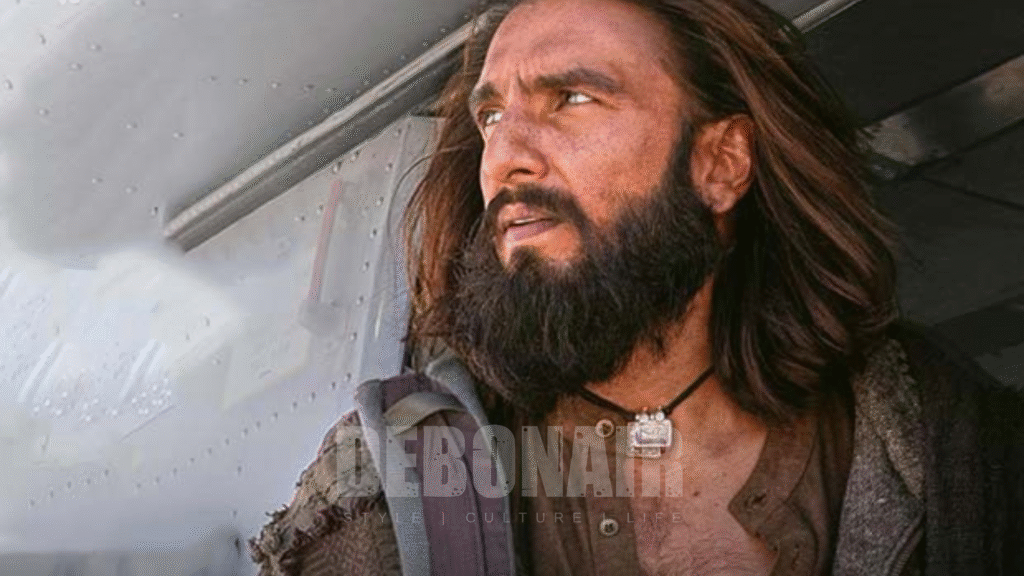
Agnihotri framed it as a writer-director’s film, the kind that raises the bar simply by existing. He praised the collective effort, the invisible labor that holds a film upright long after the premiere lights dim. In an industry that often celebrates stars louder than scripts, that detail mattered. It felt like a quiet challenge to the system itself.
And just like that, the conversation widened.
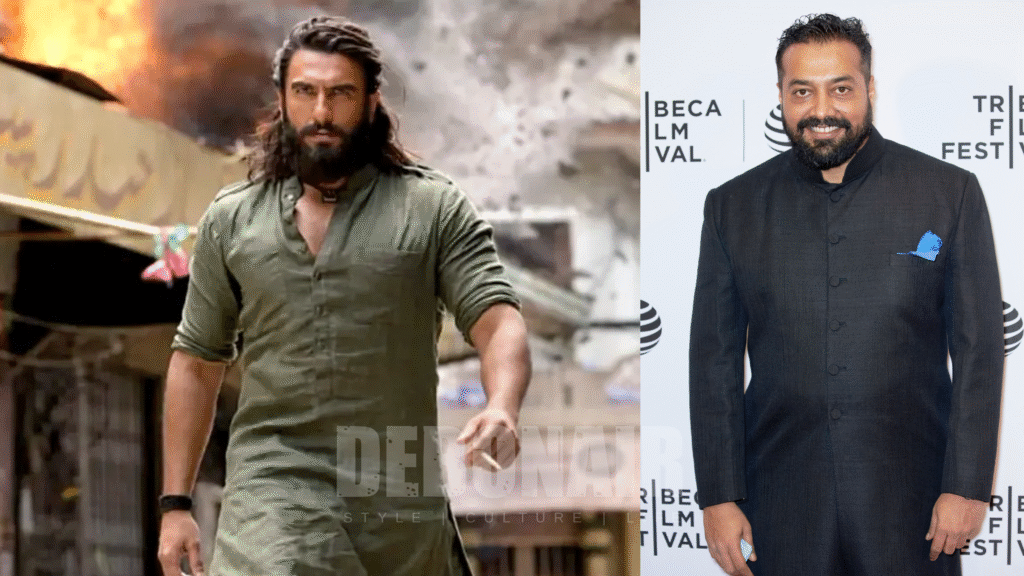
Because when one outspoken filmmaker speaks, another eventually answers. Anurag Kashyap entered the discourse with a response that was just as passionate, if more complicated. He lauded Dhurandhar’s honesty and craftsmanship, acknowledging its strength without hesitation. But he also pushed back, critiquing the political layers of the narrative, suggesting that personal history and identity may have shaped certain choices. It was not dismissal. It was engagement. The kind that suggests a film has nerve.
That tension is where Dhurandhar seems to live now, between admiration and interrogation. Between celebration and discomfort. Which, honestly, is where meaningful cinema often belongs.
Outside the echo chamber of social media statements and filmmaker quotes, the numbers have been telling their own story. The film’s box office run has been relentless, crossing major milestones and continuing to draw crowds well into its later weeks. It is rare for a film to sustain both commercial momentum and cultural conversation at this scale. Rarer still for it to do so while inviting disagreement rather than flattening it.
There is something deeply revealing about how different voices have responded to this film. Agnihotri sees discipline and divine alignment. Kashyap sees honesty tangled with ideology. Audiences see spectacle, emotion, provocation. None of these readings cancel the other out. They stack. They clash. They coexist.
What feels undeniable is that Aditya Dhar has stepped into a space that filmmakers often talk about but rarely occupy with this level of confidence. Dhurandhar does not feel engineered by committee. It feels authored. Whether one agrees with every choice or not, the sense of a singular voice runs through it, steady and unapologetic.
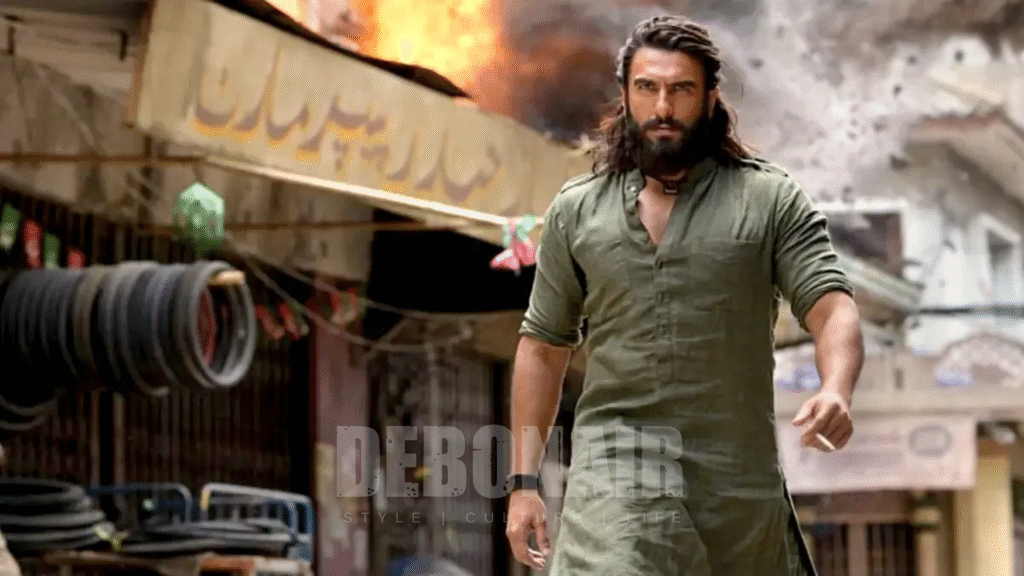
The phrase “God’s own child” might sound hyperbolic to some. But hyperbole has always been part of how Indian cinema talks about its inflection points. It is how the industry marks moments when something shifts, even slightly. When a filmmaker reminds everyone that conviction still matters.
And here is the catch. Praise like this is never just about one film. It is about what it represents. A hunger for cinema that believes in itself. A desire for stories that are not afraid to stand firm, even when they invite friction. Dhurandhar has become a mirror, reflecting not just its narrative but the industry’s fault lines, its aspirations, its unresolved debates.
As the film continues its run, as quotes are screenshotted and countered, one thing feels certain. Dhurandhar is no longer just a release. It is a reference point. A provocation. A reminder that when cinema is made with intention, people notice. Filmmakers notice first.
And sometimes, they choose to say so out loud.
Stay updated with the latest in fashion, lifestyle, and celebrity stories—straight from the world of Debonair. Follow us on Instagram, X (Twitter), Facebook, Youtube, and Linkedin for daily style and culture drops.

Zayn blends critical thinking with genuine fandom. Whether it’s decoding OTT series arcs or rating the latest Bollywood blockbuster, he writes with clarity, pop fluency, and a dash of irreverence.