




The lights around Bigg Boss 19 always feel a little too bright, a little too eager to expose the soft spots contestants try so hard to hide. And lately, those lights have found their favorite silhouette. Tanya Mittal, chin lifted, lashes dramatic, walking through the house like a woman both performing and defending her own mythology. Truth is, few finalists in recent seasons have split the nation’s mood boards quite like she has.
There is something about watching Tanya on screen that feels like wandering through a boutique window display at midnight, everything glossy and illuminated, yet you are not entirely sure the price tag matches what is inside. One moment she is the self proclaimed girl with bodyguards and luxury trips. The next moment the façade flickers, replaced by a storm of tears or sharp edged confrontations. Viewers lean in. Critics shake their heads. And inside the house, alliances shift like perfume in the air, noticeable but never still.
The controversy that stuck to her like static was that captaincy task, the alleged kick, the threat laced with bravado about settling matters outside. It was the kind of moment that pulls even casual viewers into the frenzy. Suddenly the cry baby turned warrior queen and not in the way her supporters might have hoped. People wondered if this was Tanya exposed or Tanya amplified. Sometimes those two things feel dangerously close.
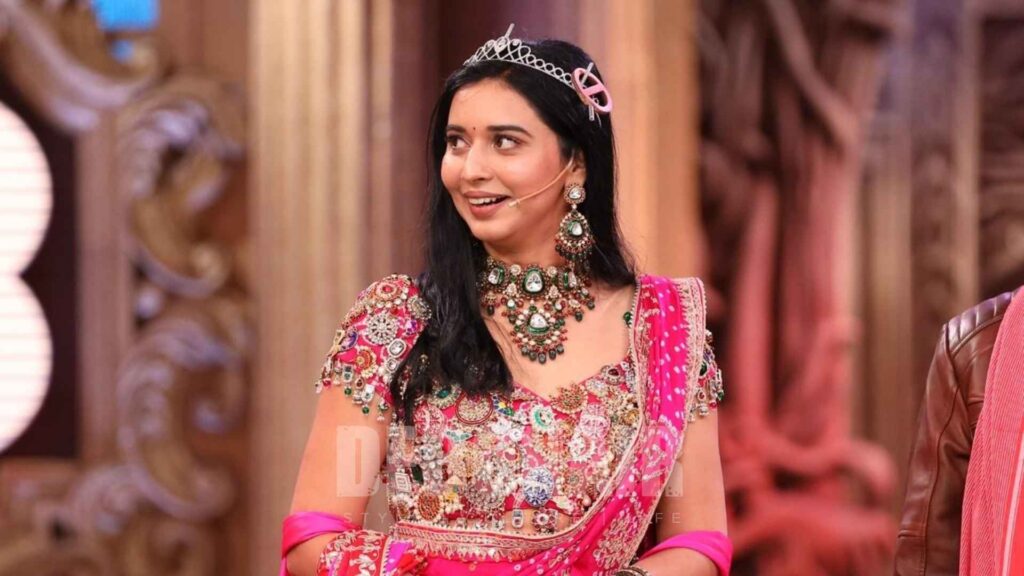
But here is the catch. She stayed talked about. Even when the narrative dipped into skepticism or ridicule, her name kept circling the internet like it had its own gravity. Those massive posters across Delhi metro stations were impossible to ignore. Seventy five stations lit up with her face, as if the city itself had been recruited into her campaign. It was audacious, almost surreal, and exactly the kind of thing people accuse her of doing too much of. Yet, in a show built on visibility, doing too much can be a strategy. It might even be the only strategy that works.
Supporters say Tanya brought entertainment, the messy kind, the unpredictable kind, the kind you discuss during office coffee breaks even if you pretend not to watch reality TV. She knew how to turn small conflicts into headline worthy arcs. She understood that being forgettable is the only unforgivable sin inside that house. And she did not commit it, not once.
Critics, though, they see the chaos as a kind of costume. They argue that relationships built on whisper networks and breakable promises cannot carry someone to a deserving win. They call her spiritual one moment, scheming the next, and insist that the mismatch between her stories and her actions is where her journey loses credibility. The word fake floats around her name like an unwanted accessory, repeated by voices like Shehbaz Badesha, echoed through forums and watch parties.
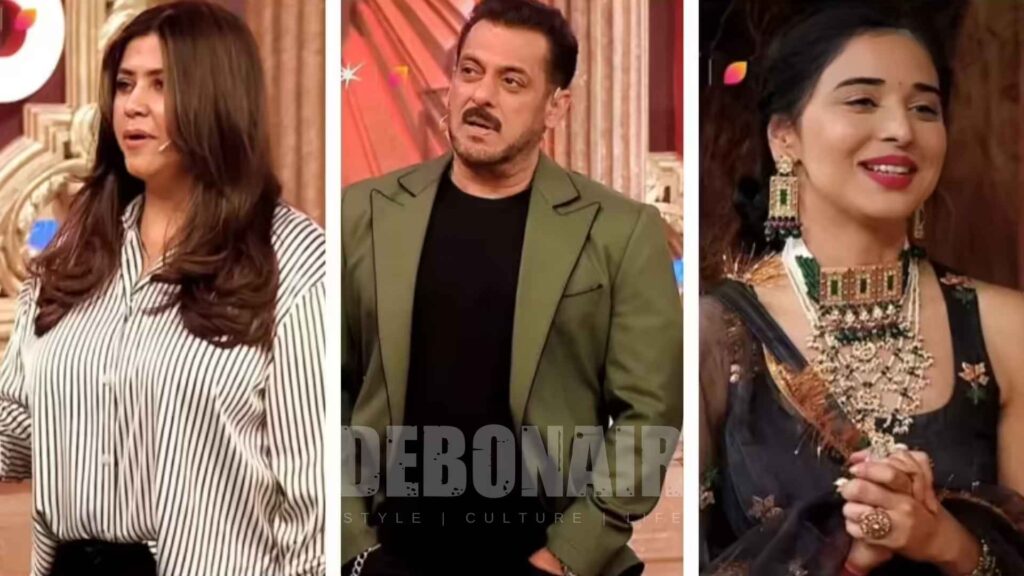
And then there is the conversation about that so called trophy from Ekta Kapoor, the rumored project, the winking suggestion that Tanya already won something outside the show. It became meme material. It also became ammunition. If she is guaranteed a spotlight after the finale, skeptics ask, why does she need this one. But anyone who has watched reality stars long enough knows that one opportunity does not cancel out the hunger for another. Visibility is a currency and Tanya collects it the way some people collect vintage perfume bottles, obsessively and with pride.
Scrolling through social chatter feels like walking through two different streets of the same city. On one, fans paint her as bold, misunderstood, unfiltered. On the other, she is manipulative, exhausting, theatrically delusional. A Reddit comment calling out her supposed fantasies about being cast by Ekta became a miniature cultural moment. The internet loves a villain. It also loves the idea of turning that villain into a misunderstood heroine. Tanya straddles that line like she was born for it.
Inside the house, her presence changed the temperature of every room she entered. That alone is something few contestants can claim. But deserving is such a tricky word, heavy with personal definitions. Some believe it belongs to contestants who are steady, consistent, sincere. Others believe the crown should go to the one who kept cameras awake, editors sweating, audiences engaged. Tanya fits the second category like a glove. The first, not so much.
Hours before the finale, the air around her name feels electrically uncertain. You can sense the debate pulsing through WhatsApp groups, dinner tables, and long metro rides across the same stations where her face stares down from glass screens. Winning for Tanya would be a statement that entertainment triumphs over etiquette. Losing would prove her critics right and still not dim the spotlight that is already waiting for her outside.

Honestly, it feels like her journey has been less about deserving and more about daring. She dared to be loud. She dared to exaggerate. She dared to unravel in real time. She dared to believe her own legend, even when the world laughed. And just like that, she became the conversation, whether people liked it or not.
There is no consensus about whether Tanya Mittal deserves to lift that trophy. But she already achieved the more elusive thing. She made sure nobody could ignore her. And in a season packed with shifting loyalties and performance heavy confessionals, that might be the closest thing to victory.
Stay updated with the latest in fashion, lifestyle, and celebrity stories—straight from the world of Debonair. Follow us on Instagram, X (Twitter), Facebook, Youtube, and Linkedin for daily style and culture drops.

Zayn blends critical thinking with genuine fandom. Whether it’s decoding OTT series arcs or rating the latest Bollywood blockbuster, he writes with clarity, pop fluency, and a dash of irreverence.