




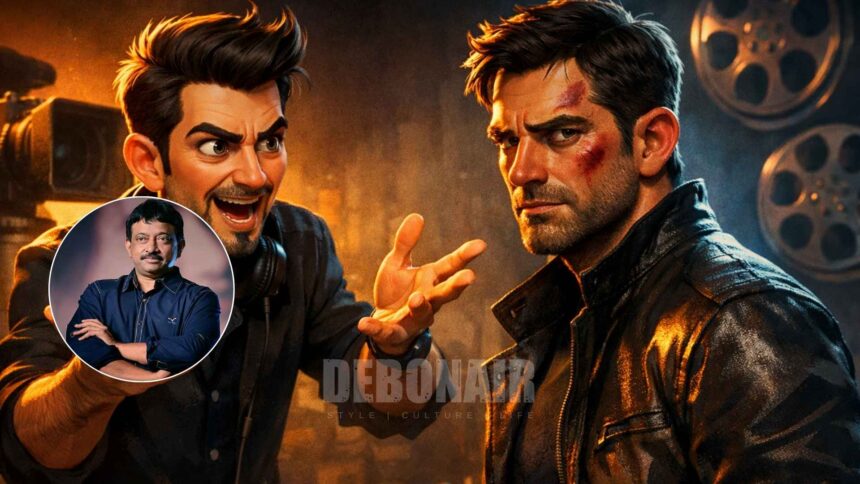
The loudest opinions in any room rarely come with a volume knob. RGV Ram Gopal Varma has never had one, and at this point in his career, nobody’s expecting him to install one either.
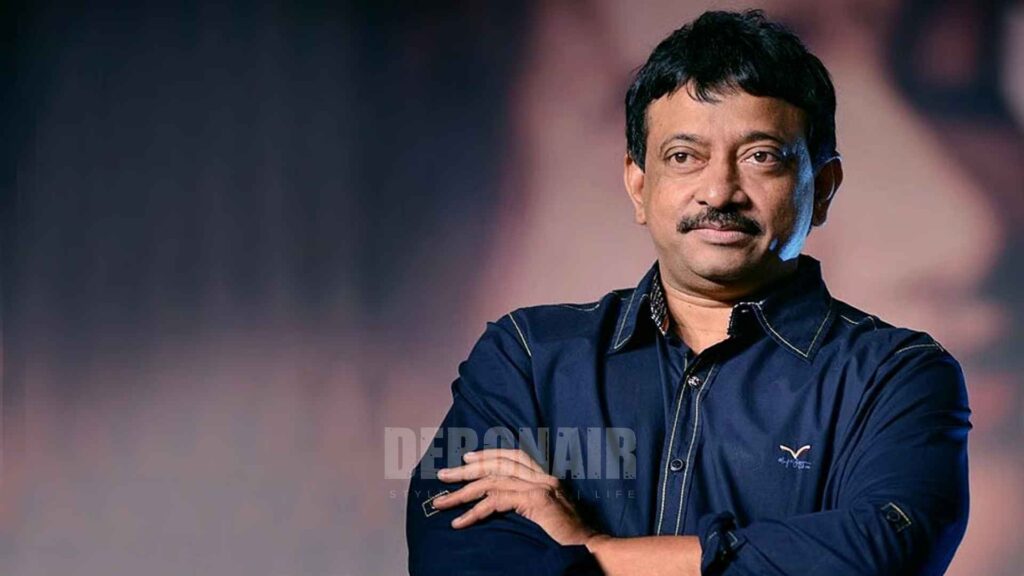
So when he sat down with ANI this week to talk about Dhurandhar 2: The Revenge, the conversation went exactly the way you’d expect. Unfiltered, a little combative, and oddly refreshing in a film industry that has perfected the art of saying absolutely nothing while speaking at length.
The film, directed by Aditya Dhar and starring Ranveer Singh as a psychologically fractured spy, has been one of those releases that splits people cleanly. Not in a casual, “oh I didn’t love the second act” kind of way. More like a fault line. Audiences have shown up in enormous numbers, with the film crossing Rs 700 crore worldwide in under a week. Critics and commentators, some of them serious voices, others simply loud ones, have called it propaganda. And RGV, who has never once in his professional life chosen the diplomatic path when a more direct one was available, had thoughts.
“As for propaganda, I don’t really understand that term in this context,” he said. Everyone has a viewpoint, he argued. The defense always has its own version of events. And if you genuinely disagree with Aditya Dhar’s perspective, well, you can always go make your own film in response. It was a classically Varma answer. Part logic, part dismissal, wrapped in something that sounds almost reasonable until you sit with it a little longer.
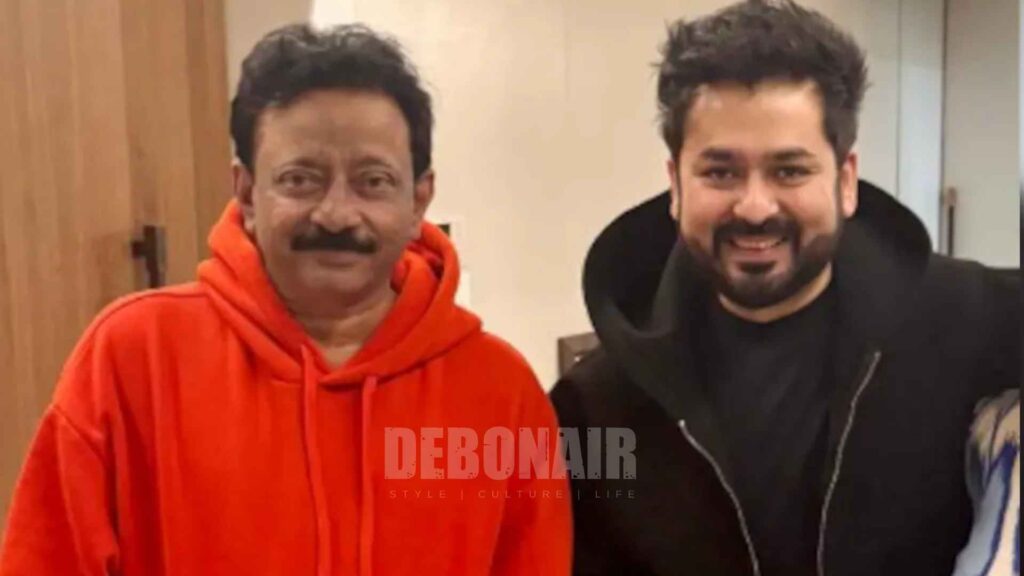
And sitting with it is exactly what this moment deserves.
Truth is, the propaganda debate around Dhurandhar 2 isn’t some fringe complaint. Voices like Shobhaa De and social commentator Dhruv Rathee have raised genuine questions about the film’s political undertones, about what kind of emotional and ideological world it constructs for its audience. These aren’t small concerns.
When a film this size, with this reach, carries a particular national sensibility, the line between artistic perspective and engineered sentiment gets genuinely blurry. Varma’s response, that all cinema is a point of view and dissent can find its own creative outlet, has a certain internal logic. But it also, conveniently, sidesteps the reality that not everyone who has a problem with a film has the budget or the backing to shoot an answer to it. Most critics have a byline and a conscience. That should be enough.
But here’s the thing. Even setting aside the politics of it, what RGV has been saying about the film’s craft is actually worth paying attention to. He didn’t just applaud the spectacle. He went after something deeper, something structural. He talked about how Ranveer Singh’s character killed off a particular kind of Bollywood hero, the untouchable, invincible type who soaks up explosions and still lands the punchline, and replaced him with someone who bleeds, who stumbles, who earns his next move rather than just performing it. That’s not a small shift inside a mainstream Indian blockbuster. That’s quietly radical territory.
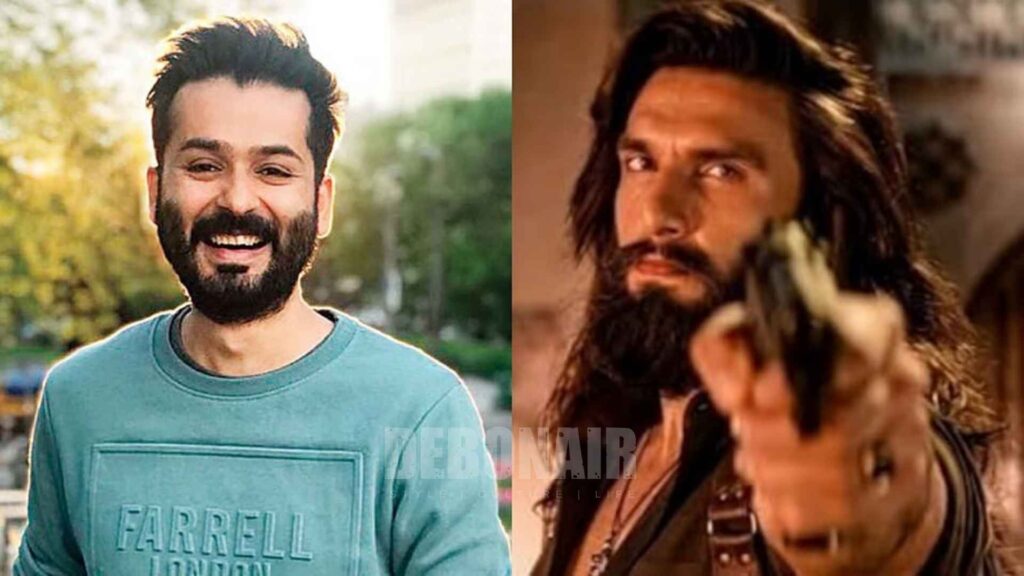
He praised Aditya Dhar for reinventing the grammar of the climax, for threading together gravity-defying action and actual emotional stakes without letting either one collapse the other. Called him a man who has “showed a new way of Indian cinema.” And then went further on social media, declaring the film a “reset button,” warning other filmmakers that everything made before March 19, 2026 now belongs to a different era, and that those who don’t measure their future work against this benchmark will simply perish. Very him. All caps and everything.
Honestly, it felt less like a review and more like a man exhaling after years of frustration. RGV has watched Bollywood from every angle imaginable, including the ones nobody wanted to show him, and his fatigue with the formula, the loudness, the masala scaffolding that passes for storytelling, came through with genuine feeling. He wasn’t performing outrage. He seemed almost relieved that someone had finally done something about it.
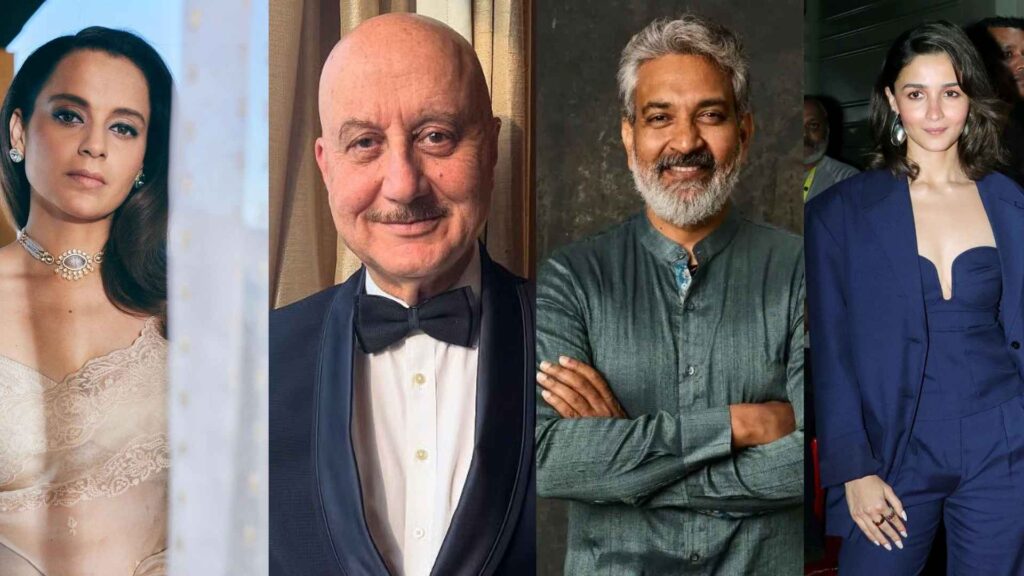
The industry’s biggest names have lined up alongside him. Alia Bhatt, SS Rajamouli, Anupam Kher, all have weighed in with praise. Kangana Ranaut went as far as comparing Aditya Dhar to Spielberg, Tarantino, and Nolan, which is either visionary thinking or the kind of hyperbole that ages badly. Time will tell.
What’s harder to dismiss is what the film has actually done to the conversation around mainstream Hindi cinema. Whether or not you believe it earns every superlative thrown at it, something has clearly shifted. Audiences are responding to a hero with edges and limits. Critics are fighting about meaning rather than just craft. That’s not nothing.
RGV called it the birth of a new cinematic order. Maybe. Or maybe it’s one very good film in an industry that will spend the next two years making pale imitations of it while loudly claiming to have understood its lesson.
Either way, the man who spent decades holding a cracked mirror up to Bollywood is standing beside someone else’s film, pointing at it with the same unsettling conviction. That alone is worth noticing.
Stay updated with the latest in fashion, lifestyle, and celebrity stories—straight from the world of Debonair. Follow us on Instagram, X (Twitter), Facebook, Youtube, and Linkedin for daily style and culture drops.

Zayn blends critical thinking with genuine fandom. Whether it’s decoding OTT series arcs or rating the latest Bollywood blockbuster, he writes with clarity, pop fluency, and a dash of irreverence.