





The internet lit up this morning and it has not calmed down since. At precisely the hour when temples across the country were ringing their bells for Hanuman Jayanti, the The Ramayana teaser for Nitesh Tiwari‘s mythological epic landed online like a thunderclap. Two minutes and thirty-eight seconds. That is all it took to split Indian cinema fandom clean in half.
The film is officially titled Rama. And if the teaser has proved anything, it is that the name alone carries the kind of weight that makes rooms go very, very quiet.
Let us start with what nobody is really arguing about. The music hits. Hard. The decision to bring together A.R. Rahman and Hans Zimmer on a single score sounds, on paper, like the kind of thing a producer announces at a press conference and then quietly abandons. But early viewers who caught the preview in Los Angeles described the sound design as something that physically stays with you.
One attendee wrote that when Ram is sitting in a boat, his name is called, and he slowly turns, the frequency and emotion of that single moment resonated in a way she struggled to put into words. For someone who rarely gets emotional, she said, it hit deep. It felt like home. That is a specific kind of feeling. The kind you do not manufacture with a press release.
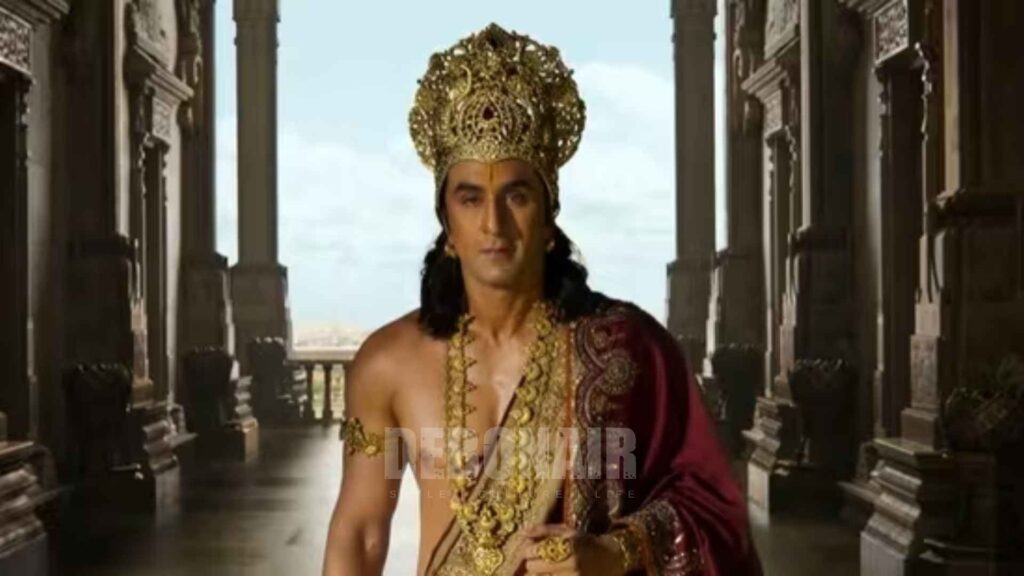
Ranbir Kapoor has been carrying this project on his back for years now, long before a single frame was confirmed, long before the casting was locked. Truth is, when his name was first attached to Lord Rama, the reactions were split the same way they are today. Some people saw the possibility immediately. Others found it baffling. What the teaser seems to suggest is that he understood something about the character that perhaps his critics did not.
In his own words, he said he is not here to represent Rama but to learn from him, drawn to a simplicity and purity in the character that he found deeply humbling. There is something about an actor approaching a role with that kind of reverence that tends to come through on screen, even in two minutes and thirty-eight seconds.
The internet, of course, is another matter entirely.
Within hours of the teaser dropping, the phrase “Adipurush 2.0” was trending. A vocal and genuinely unsparing section of viewers on X and Reddit zeroed in on the CGI, calling certain frames too video-game-adjacent, too reliant on digital construction, too far from the tactile weight that a story this sacred demands. The ghost of Adipurush hangs over every mythological epic now, a cautionary tale rendered in painfully expensive pixels. Fair or not, the comparison is going to follow Ramayana all the way to its Diwali release window.
But here is the catch. The countering voices are equally loud, and they are not just Ranbir fan accounts shouting into the void. There is a contingent of viewers who see something different in the teaser, something more considered. The phrase “our truth, our history” has been circulating since morning, carried by people who feel this adaptation is finally approaching the epic with the scale it deserves. Some viewers at the LA screening compared it to India’s answer to Lord of the Rings, which is either the highest possible compliment or a deeply loaded comparison depending on your particular loyalties.
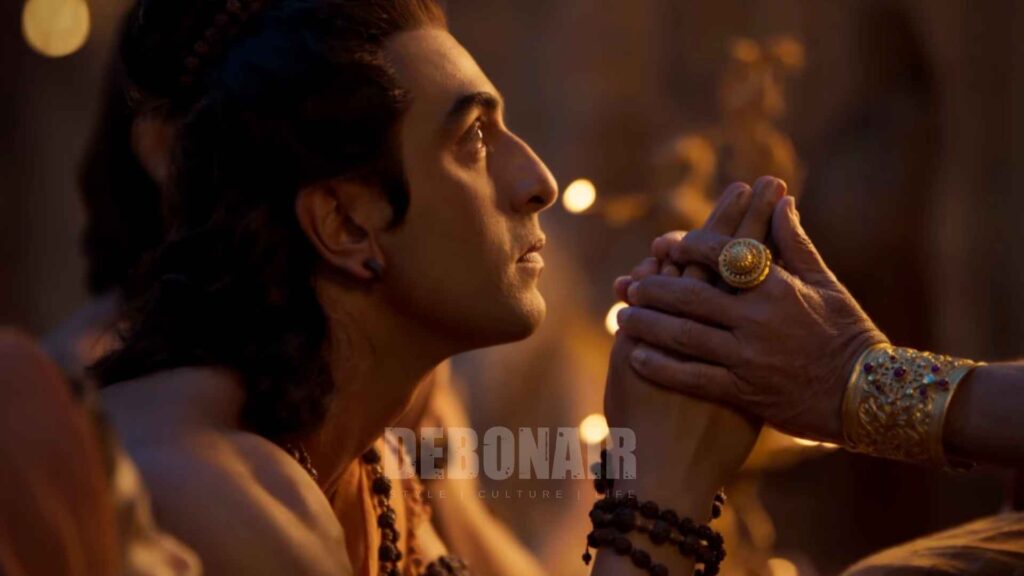
The cast assembled around Ranbir is genuinely striking. Sai Pallavi steps into the role of Sita, Yash takes on Ravana, Sunny Deol plays Hanuman, and Ravi Dubey is Lakshman. The teaser keeps most of them in shadow or at the edges of frame, which is smart. You build toward revelation. The faceless glimpse of Yash as Ravana has already generated its own separate wave of anticipation, because if the VFX debates continue, the villain’s full reveal will either silence the critics or amplify them completely.
The production behind all of this is staggering by any measure. The film brings together Prime Focus Studios, DNEG, and Yash’s Monster Mind Creations, with a reported combined budget for both parts that sits somewhere in the neighbourhood of Rs 4,000 crore. That number floats around every conversation about this film like a figure too large to comfortably process. Producer Namit Malhotra, speaking about the character at the heart of it all, said the power of Rama’s story is not in what he conquers but in what he lets go of, a standard that is not easy, not convenient, but necessary.
Honestly, that line could apply to the film itself. Making something this large, this culturally loaded, this open to scrutiny from a billion people who grew up with this story in their bones, is not convenient. The makers know that. The teaser makes clear they are going in regardless.
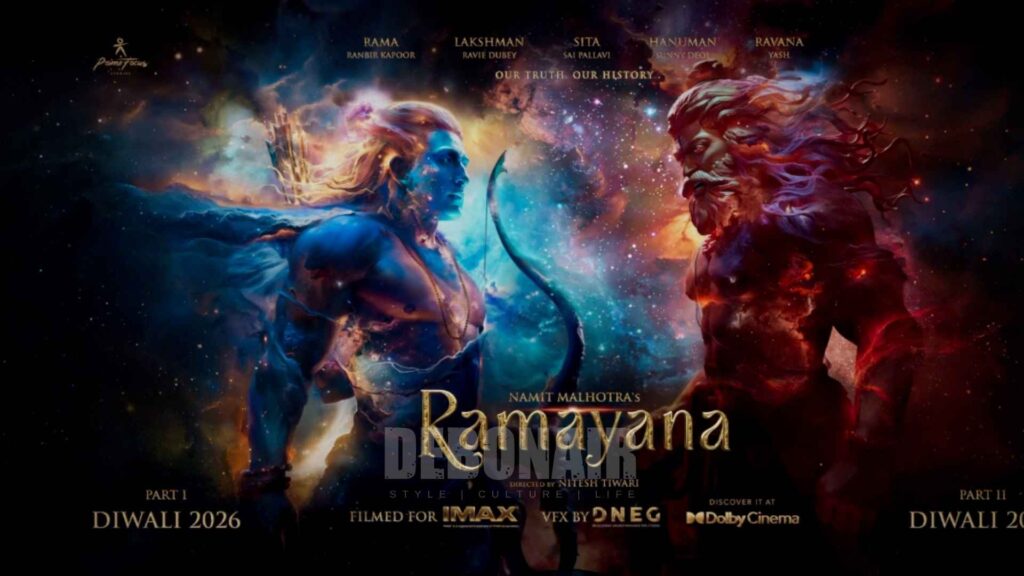
Part 1 hits theatres globally this Diwali 2026. Part 2 follows Diwali 2027. The promotional campaign has barely begun and the oxygen it is consuming is already extraordinary. Whether the finished film delivers on the scale the teaser promises, whether the VFX holds up across a full feature length, whether Ranbir’s Rama lands with the grace he clearly intends, all of that is still months away from an answer.
For now, though, the conversation has started. And given how loudly it began this morning, it is not stopping anytime soon.
Stay updated with the latest in fashion, lifestyle, and celebrity stories—straight from the world of Debonair. Follow us on Instagram, X (Twitter), Facebook, Youtube, and Linkedin for daily style and culture drops.

Zayn blends critical thinking with genuine fandom. Whether it’s decoding OTT series arcs or rating the latest Bollywood blockbuster, he writes with clarity, pop fluency, and a dash of irreverence.