




There is a moment before the lights fully come up when the room feels unfinished. Chairs creak. Someone coughs. A phone vibrates and is hurriedly silenced. In Lucknow, that moment stretched just a second longer than usual, like the hall itself was taking a breath. Then Pratik Gandhi walked into the light, and Mohan Ka Masala began, again.
Ten years is a long time to keep returning to the same story. Long enough for your voice to change slightly. Long enough for your body to learn where the silences live. Long enough for the words to stop feeling like lines and start feeling like thoughts. Watching Gandhi perform this monologue now, you sense that shift immediately. This is not nostalgia. This is familiarity, earned the hard way.
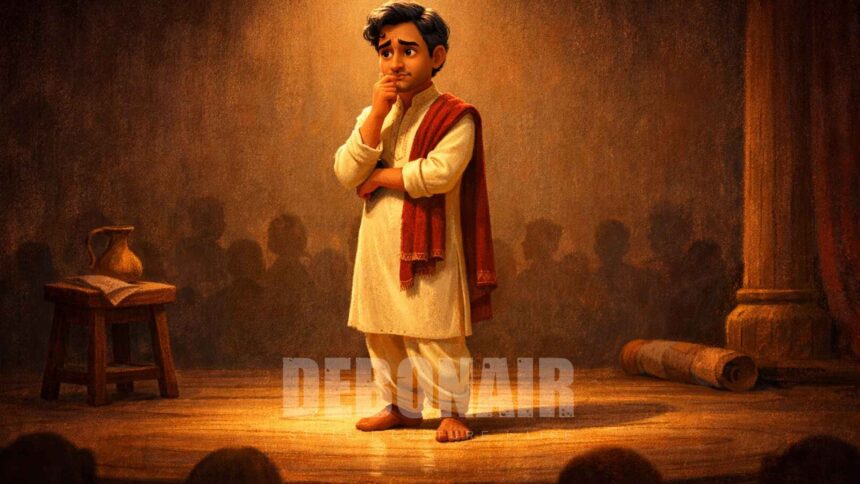
Mohan Ka Masala has never behaved like a “legacy” play. It does not announce its importance. It does not carry the stiffness of something preserved for history. It moves like a conversation you keep coming back to, because each time you are a little different. The Gandhi on stage is not the finished figure from textbooks. He is young, restless, occasionally unsure of his own footing. He hesitates. He asks questions that do not resolve neatly. The play sits comfortably in that messiness.
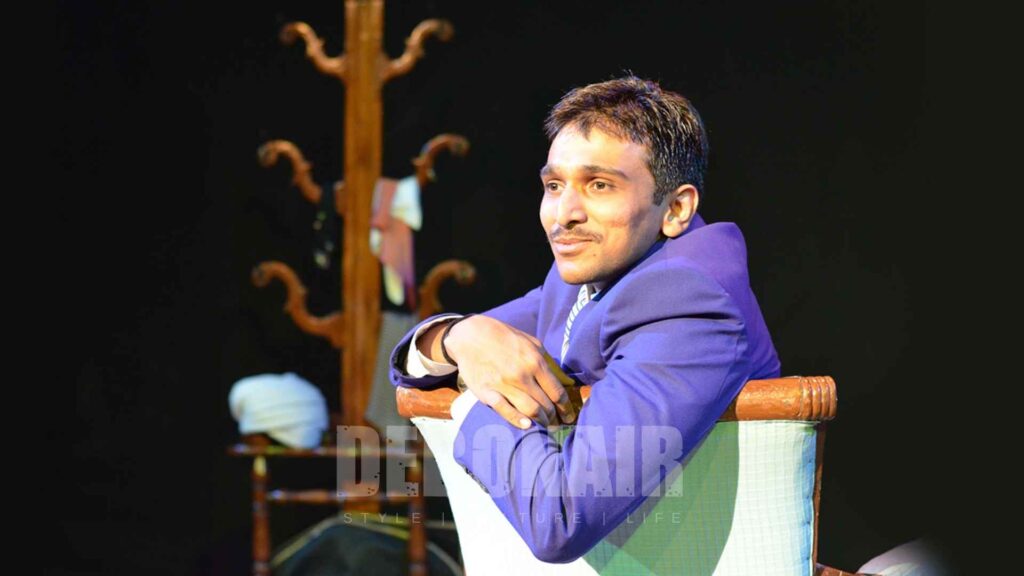
When Gandhi speaks about how the play shaped him as both an artist and a person, it lands because you can see it. You can see it in the restraint. In the way he does not rush a thought to impress the room. In how he trusts the audience enough to let a pause stretch. A monologue will expose you if you try to decorate it. This one does not allow that luxury.
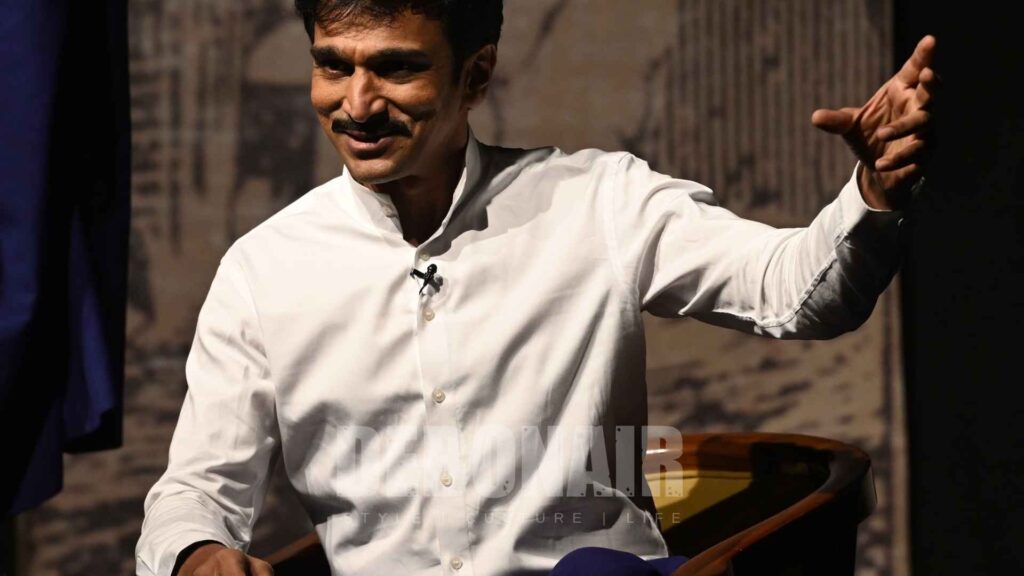
At the Repertwahr Festival, the audience responded in a way that felt almost old-fashioned. People listened. Properly listened. Laughter arrived unexpectedly and then disappeared just as quickly. Silence stayed longer than comfort would normally allow. Nobody seemed eager for the performance to end. When it finally did, the standing ovation came not with noise first, but with stillness. As if everyone needed a second to agree on what they had just felt.
There is something stubborn about theatre that survives this long. It asks a lot of everyone involved. It asks the actor to keep believing. It asks the audience to keep showing up. Over the past decade, Mohan Ka Masala has traveled through different cities, different political moods, different versions of its lead performer. Fame arrived somewhere along the way. Screens got bigger. Expectations louder. The play stayed the same size. One man. One story. No shortcuts.
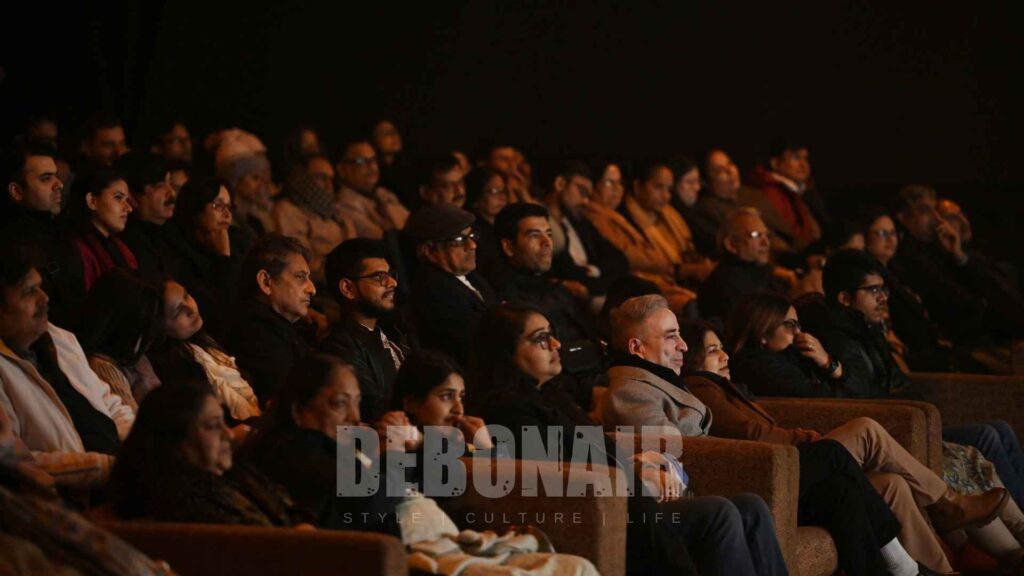
In Lucknow, that simplicity felt especially sharp. The city has a way of holding history without polishing it too much. The crowd reflected that. Young students sat beside older theatre regulars. Some nodded quietly. Some watched with arms folded, skeptical at first. By the end, everyone was standing.
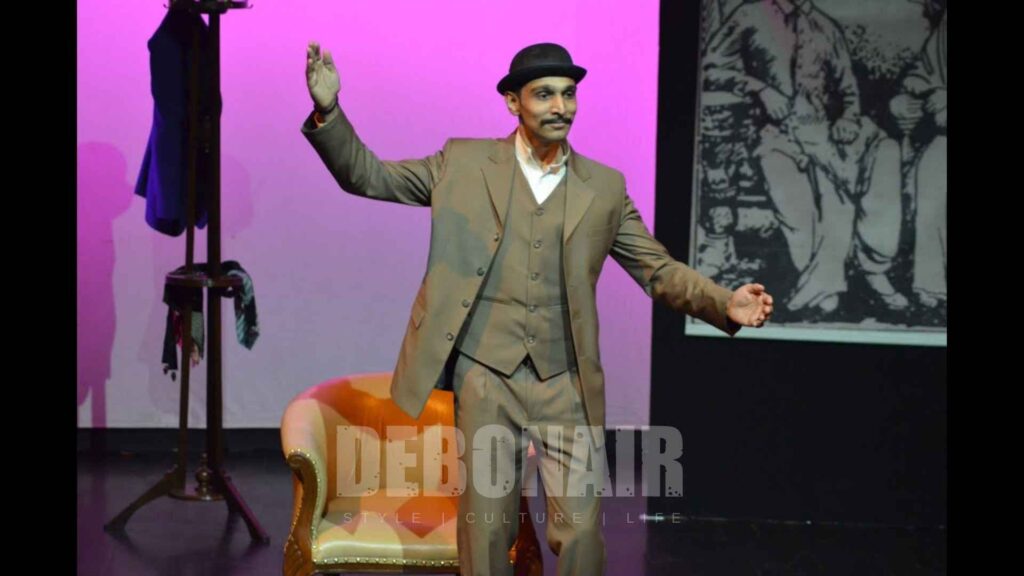
What the play does, almost slyly, is refuse to turn its subject into a sermon. It does not ask you to admire Gandhi. It asks you to recognize him. To see how belief is shaped slowly, through uncertainty and contradiction. The focus stays on the formative years, on the awkward beginnings rather than the polished outcome. That choice keeps the play alive. It keeps it from becoming ceremonial.
Watching Gandhi now, ten years in, you notice how little he tries to “perform.” He listens to the room. He adjusts without drawing attention to it. Some nights the humor lands harder. Some nights the silences feel heavier. That responsiveness is not accidental. It comes from repetition, from failure, from evenings where things did not land and he stayed with the work anyway.
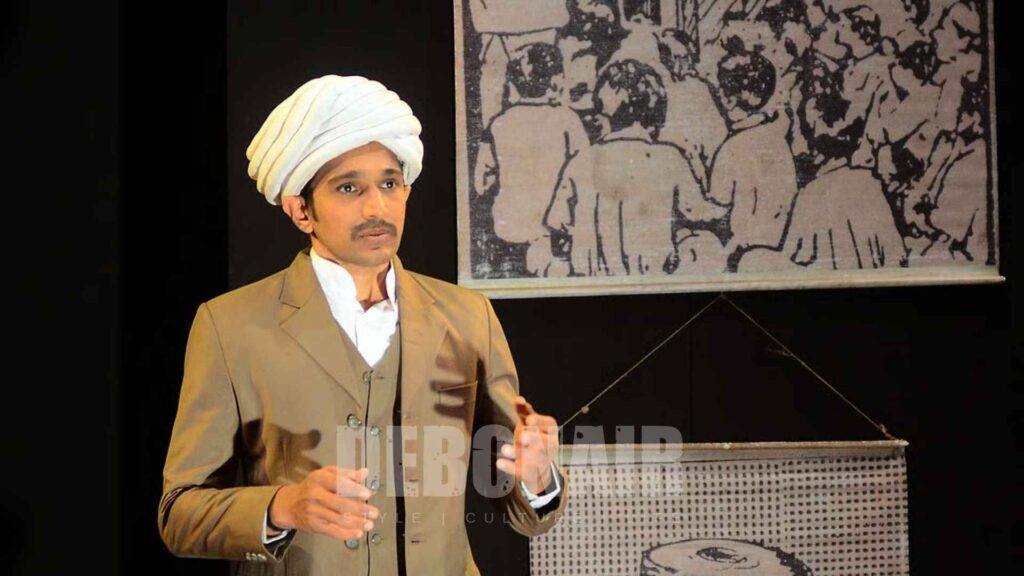
Theatre has a way of humbling you like that. No matter how successful you become elsewhere, the stage does not care. It asks you to show up honestly or not at all. Mohan Ka Masala has asked that question of its actor for a decade. And it seems to have given something back in return. Grounding. Clarity. A reminder of craft over noise.
When the performance ended, people lingered. Not out of confusion, but reluctance. It felt rude to break the spell too quickly. Gandhi stepped off stage without ceremony. No flourish. No victory lap. Just a quiet exit, like someone leaving a room they know they will return to.
Outside, Lucknow carried on. Traffic horns. Tea being poured. Conversations overlapping. Inside, something small and precise had settled. A story told carefully, again. A reminder that relevance is not chased. It is built, night after night, with patience.
And that, more than anything, explains why Mohan Ka Masala is still here.
Stay updated with the latest in fashion, lifestyle, and celebrity stories—straight from the world of Debonair. Follow us on Instagram, X (Twitter), Facebook, Youtube, and Linkedin for daily style and culture drops.

Sana has been covering film, fame, and everything in between for over a decade. From red carpets to rehab rumors, she brings nuance, wit, and an insider’s edge to every story. When she’s not reporting, she’s probably watching Koffee With Karan reruns or doom-scrolling celebrity IG feeds.