



The smoke from Birmingham never really cleared, did it?
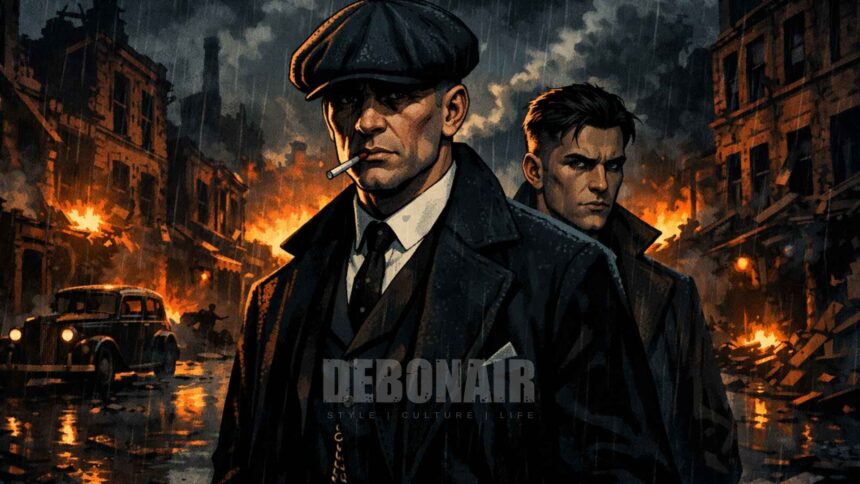
It settled into something. Into the marrow of a generation of viewers who spent six seasons watching Tommy Shelby turn grief and trauma into a kind of terrifying elegance. And now, two days after Peaky Blinders: The Immortal Man quietly landed on Netflix as a grenade rolled under a pub door, the internet is still sorting through the wreckage. Some are weeping. Some are debating. Most are doing both at once, which, honestly, feels exactly right.
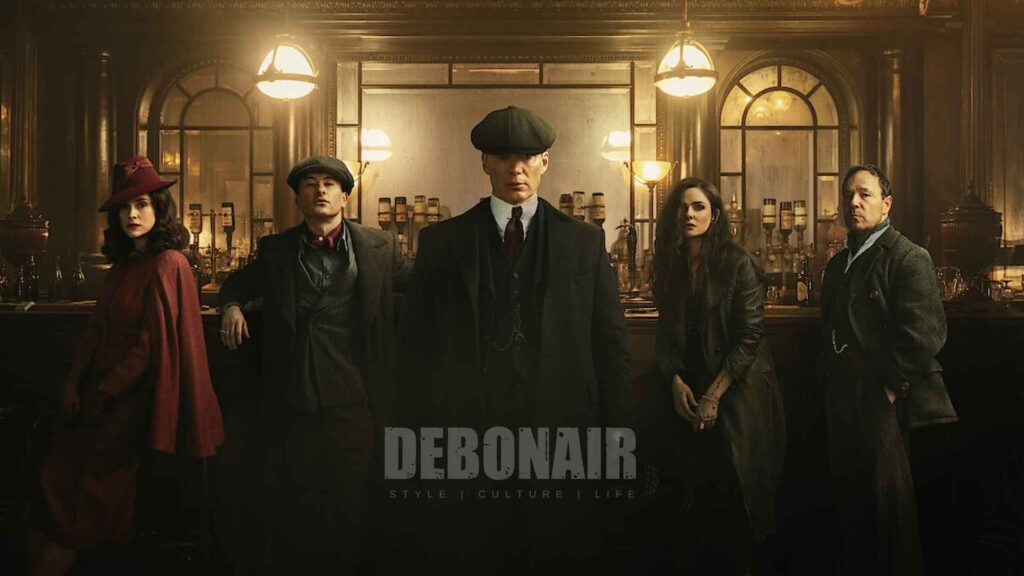
It is 1940. Birmingham is getting pummelled by the Blitz. And Tommy, the man who once commandeered half of England from a Small Heath betting shop, is now hunched over a typewriter in a crumbling country estate, writing his memoirs like a man already composing his own obituary. There is something almost unbearably on-the-nose about that image. The gangster as ghost writer. The legend refusing to become one.
He is keeping company only with his loyal Johnny Dogs and the visions of Ruby, his daughter who died young, who drifts in and out of his waking hours like smoke through a cracked window. When Ada Shelby arrives to pull him back into Birmingham, it is not sentimentality that drags him off his stool. It is something older. Duty. Family. The specific gravity that only a Shelby can generate.
Truth is, the film’s premise is both its greatest gift and its most obvious limitation. Casting the antagonists as Nazis, while dramatically efficient, also feels like the easy road out of the moral complexity that made the series so compelling in the first place. The show, at its peak, had no clean villains. It had men shaped by history, by class, by war, doing terrible things and occasionally something that looked almost like justice. Here, the calculus is simpler. There are Nazis, there is Tommy, and there is a counterfeit currency plot ambitious enough to give a Bond film an inferiority complex.
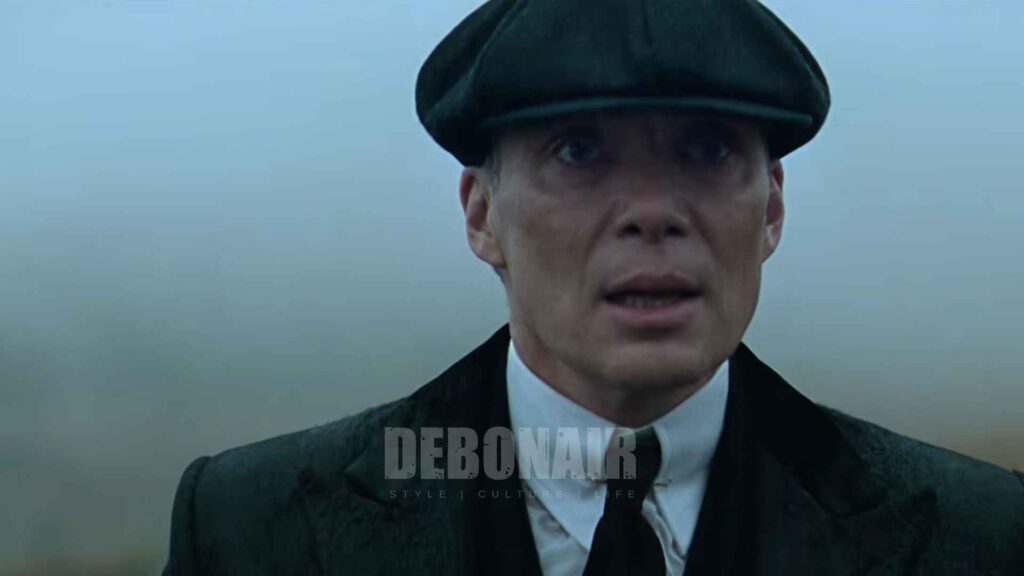
But here is the catch: none of that particularly matters once Cillian Murphy is on screen.
He slips back into Tommy Shelby with remarkable ease, but this is not a reprise of old habits. What he offers here is less icy calculation and more exhaustion, regret, and the dawning recognition that his time is over. The smoldering intensity is still there, tempered now by age and weariness. It is the performance of a man who has been carrying something extraordinarily heavy for a very long time and has finally, quietly, made peace with the weight.
And then there is Barry Keoghan.
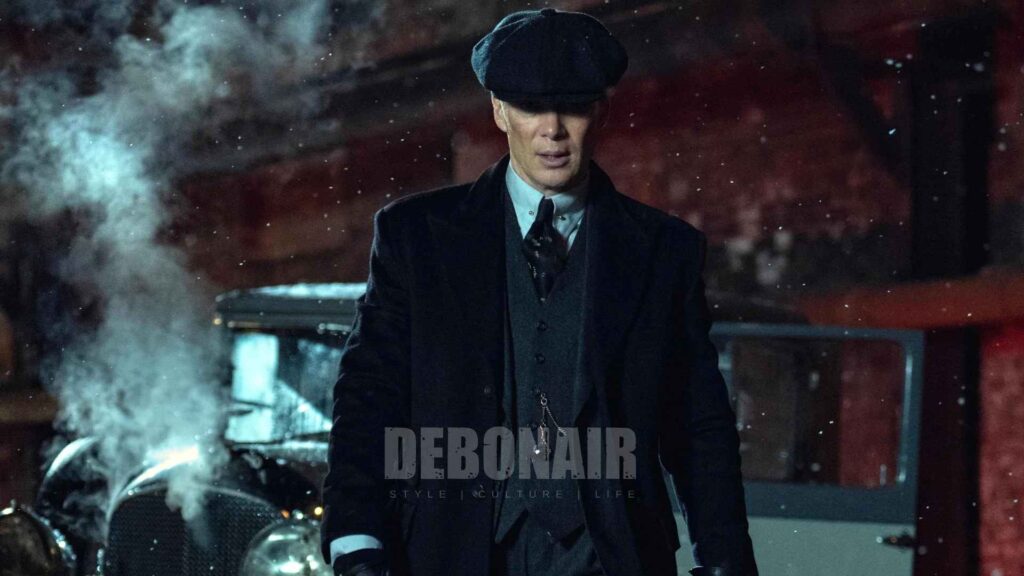
Keoghan, who feels specifically conjured to play Tommy’s son, deftly balances vulnerability with a resentful determination to prove himself to the father who left him. He is mercurial in the way only Keoghan can be. You are never entirely sure whether Duke is going to kiss someone or destroy them, and the film is wise enough to let that uncertainty breathe. The scenes between him and Tim Roth’s John Beckett, the Nazi collaborator who recognizes in Duke a kind of spiritual kin, crackle with the energy of two generations of genuinely frightening actors finding each other across a table.
It recalls, in flickers, the meeting of Pacino and De Niro in Michael Mann’s Heat: two men from different lineages of menace, circling each other with careful respect. That is high praise, and the film probably does not quite earn it for long enough. But it earns it in those moments, and those moments land.
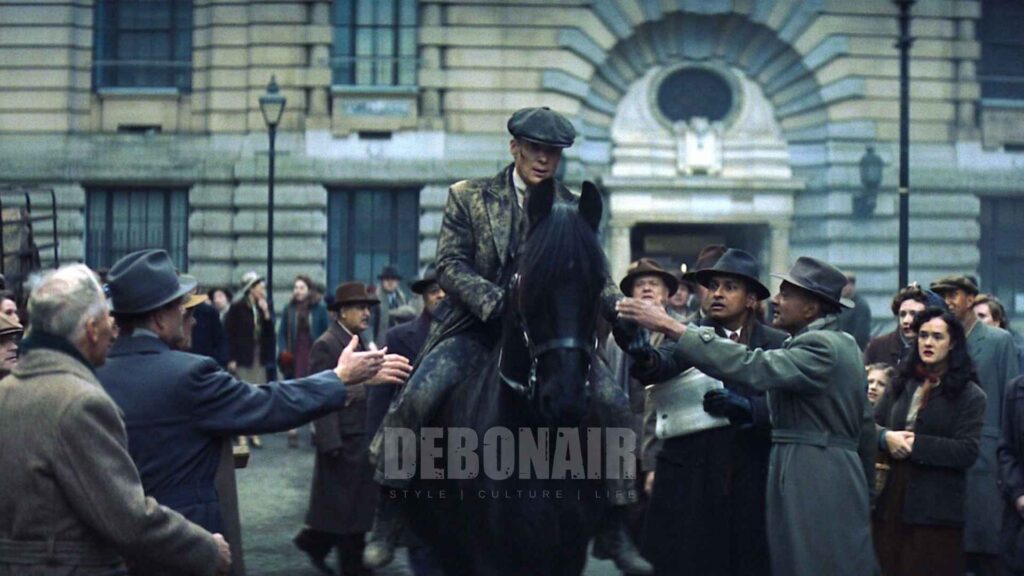
The critics, unsurprisingly, are split along a very particular line. Rotten Tomatoes has the film at 92%, while Metacritic lands it at a more cautious 59, which tells you almost everything you need to know about the gap between franchise love and cold critical assessment. Those who grew up with Tommy give the film the generosity it might not strictly deserve. Those coming to it as a standalone piece find the narrative thinner, the emotional stakes less earned.
Both are right. Both are missing something.
There is a sequence that intercuts Tommy’s return to Birmingham with a confrontation between Duke and Ada as rain streams down around all three, which is honestly breathtaking. Those moments, when Steven Knight’s writing and Tom Harper’s direction and Murphy’s face all align, the film becomes something more than an epilogue. It becomes a meditation on what we leave behind, and whether the people we shaped will curse us or carry us forward.
And then, inevitably, there is the history question. Because every wave of Peaky Blinders fever comes with a fresh tide of people Googling whether any of it was real, and the answer this week, punctuated by a new documentary featuring crime historian Carl Chinn MBE, is both yes and no, and mostly no in the ways that matter most. The real Peaky Blinders reached their peak in the 1890s, nearly three decades before the TV show even began. The razor blades stitched into cap peaks, that most iconic detail of the whole mythology, are almost certainly a myth. Disposable razors were a luxury. The name more likely referred to their blinding, meaning dapper, style of dress, or the way they pulled the peaks of their caps low over one eye like a wink to the world. And the real gang members were largely small-time thugs, not the architects of international intrigue that Tommy became.
Does that deflate the romance? Slightly. Should it stop you rewatching the entire six seasons this weekend before looping back to the film? Absolutely not.
The Black Country Living Museum in Dudley, one of the primary filming locations, is currently running exhibits on the authentic 19th-century Birmingham gangs for those who want to feel the era in their actual bones rather than through a Netflix interface. It is worth the trip. The gap between myth and history is often where the most interesting truth lives.
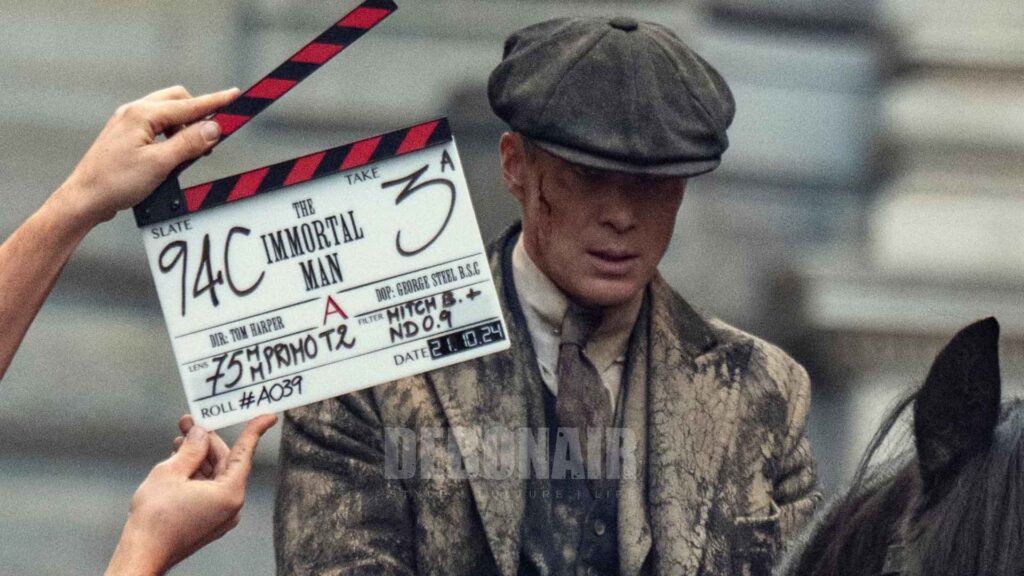
And the truth here is this: The Immortal Man is not the sharpest thing the franchise has ever produced. As a final ride with Tommy Shelby, it works. It is emotional in ways that sneak up on you, stylish in ways fans will instantly recognize, and anchored by a performance from Murphy that gives the character a proper last bow. The Shelby baton passes to Keoghan with enough weight behind it that you believe he can carry it.
Whether he ever will, that is another story. But right now, in the rain, in Birmingham, in the wreckage and the smoke of everything Tommy built, that passing feels earned.
By order of the Peaky Blinders, indeed.
Stay updated with the latest in fashion, lifestyle, and celebrity stories—straight from the world of Debonair. Follow us on Instagram, X (Twitter), Facebook, Youtube, and Linkedin for daily style and culture drops.

Zayn blends critical thinking with genuine fandom. Whether it’s decoding OTT series arcs or rating the latest Bollywood blockbuster, he writes with clarity, pop fluency, and a dash of irreverence.