



Friday in Mumbai has its own tempo. By early afternoon, the city is already tired, already loud, already moving on. Somewhere between a chai refill and a missed call, the news slipped out that the court had spoken. No fireworks. No drama. Just a clean refusal to stop a film that has been waiting, a little impatiently, to breathe.
O Romeo is heading to theatres.

The city civil court declined to stall its release, ruling that Sanober Shaikh had not established a case for injunction. That one sentence did what weeks of speculation could not. It cleared the path for the February 13 release and eased the pressure that had been sitting heavily on the film’s shoulders.
Anyone who has spent time around Hindi film sets knows how these days feel. Legal uncertainty does not shout. It lingers. It hangs in phone calls that start with, “Any update?” and end with silence. When Judge H C Shende denied interim relief, that silence broke. Quietly, yes. But decisively.
The court pointed to details that mattered. Shaikh had earlier demanded compensation in the range of one to five crore rupees. That, the judge noted, was an impermissible request for an injunction. There was also the timing. She had known about the film since late 2024 and moved the court only weeks before release. In law, delay is not just delay. It is a signal. The court treated it as one.
Then came a line that will likely be quoted long after the opening weekend numbers roll in. The judge rejected the idea of a pre-release screening, calling it judicial censorship. In a country where films have been trimmed, muted, or frozen altogether before audiences ever saw them, the words landed softly but firmly.

From the beginning, the film’s makers have stayed on message. Director Vishal Bhardwaj and producer Sajid Nadiadwala argued that O Romeo is fiction. Not a portrait. Not a biography. A story shaped by the mood and mythology of Mumbai’s underworld, drawing from Hussain Zaidi’s Mafia Queens of Mumbai, and carrying clear disclaimers. The court accepted that framing.
Sanober Shaikh’s plea came from a different place altogether. She alleged that the film, unauthorizedly, portrays her late father, Hussain Ustara, a former gangster who later became a police informant, as a criminal figure. According to her, the portrayal would cause irreparable harm to her family’s reputation. She sought a permanent injunction preventing the film’s release across theatres, television, and OTT platforms.
It is a familiar fault line. Indian cinema has always borrowed from real lives, sometimes carefully, sometimes recklessly. Families see echoes where filmmakers see inspiration. Courts are asked to decide where imagination ends and identity begins. This time, the balance tilted toward the film.
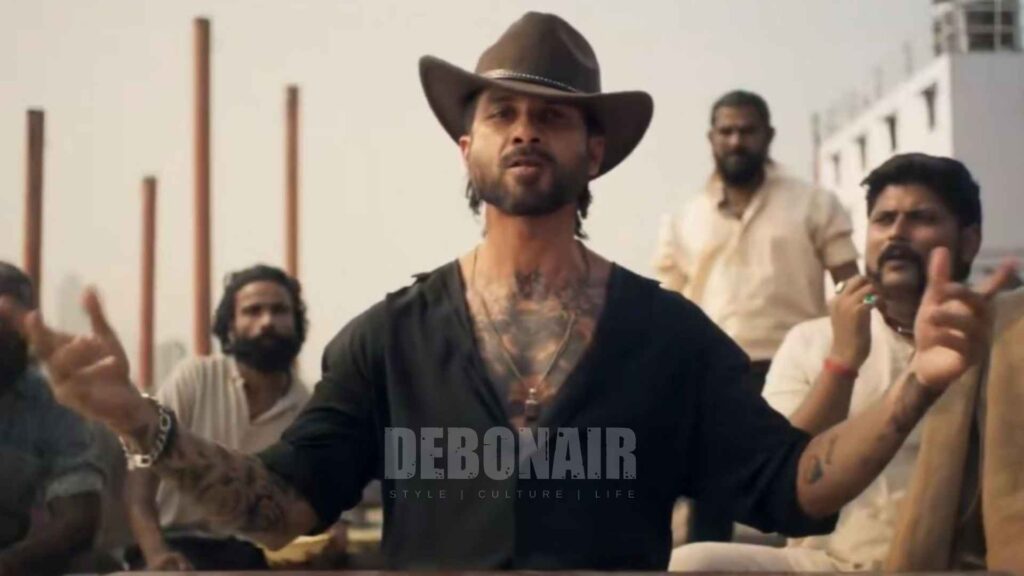
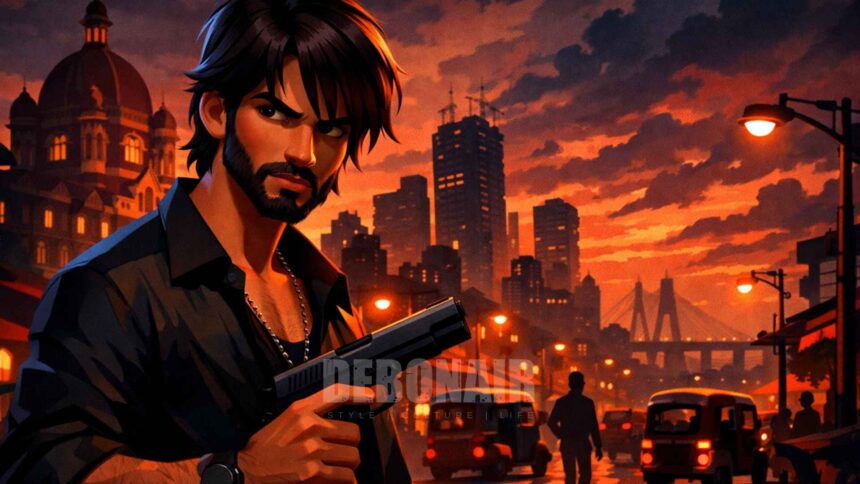
Which brings us to what O Romeo actually promises. It does not pretend to be subtle. The teaser is sharp, violent, and restless. Shahid Kapoor appears as a gunman with nervous energy, someone who looks like he might fall in love or pull a trigger in the same breath. It is a role that fits his recent choices: darker, rougher, less interested in being liked.
Around him is a cast that knows how to occupy space without shouting. Triptii Dimri brings a quiet intensity. Nana Patekar carries that familiar weight, the kind that fills a room before he speaks. Avinash Tiwary, Tamannaah Bhatia, Disha Patani, Farida Jalal, and Vikrant Massey round out a world that feels crowded and volatile. This is not a film designed for comfort.
Inside the industry, the ruling has already changed the tone of conversations. What was once described in cautious whispers as a risky release is now spoken about with a little swagger. There is also the timing, almost cheeky in its irony. A film called O Romeo, arriving during Valentine’s week, armed not with roses but with guns. Mumbai understands that kind of contrast better than most cities.
Shaikh has said she plans to appeal before the Bombay High Court. For now, there is no stay. No injunction. The machinery of release keeps moving. Posters go up. Shows get locked. The city, as always, waits to judge for itself.
Films today do not simply open in theatres. They arrive through courtrooms, headlines, and arguments about memory and meaning. Some collapse under that weight. Others carry it and walk on.
On February 13, the lights will go down and the noise will stop for a couple of hours. Whatever one thinks about the controversy, the rest of the conversation will finally happen where it belongs. In the dark.
Stay updated with the latest in fashion, lifestyle, and celebrity stories—straight from the world of Debonair. Follow us on Instagram, X (Twitter), Facebook, Youtube, and Linkedin for daily style and culture drops

Zayn blends critical thinking with genuine fandom. Whether it’s decoding OTT series arcs or rating the latest Bollywood blockbuster, he writes with clarity, pop fluency, and a dash of irreverence.