





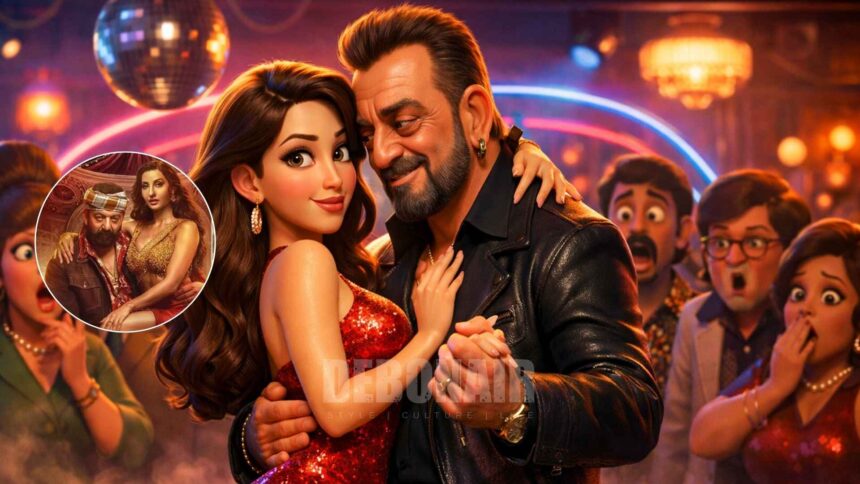
The first time I heard it, it wasn’t even the lyrics that caught me off guard. It was the feeling. That slightly uneasy pause that hangs in the air when something is trying too hard to be playful but lands somewhere else entirely.
By then, Nora Fatehi was already everywhere, moving through that smoky, neon-lit set like she always does, completely in control of the frame. She knows how to hold a camera’s gaze; that’s never been the question. But this time, the noise around her grew louder than the music itself. And not in the way a hit song usually does.

By March 17, things had tipped. Not gradually, not subtly. It just snapped into something bigger.
The National Human Rights Commission stepping in changed the temperature overnight. Up until that point, you could still argue it was a matter of taste. Some liked it, some didn’t, some rolled their eyes and moved on. But an official notice? That pulls it out of pop culture and drops it into a completely different space. Suddenly, it’s not about whether a song is catchy or cringey. It’s about whether it should exist like this at all.
And the producers, KVN Productions, didn’t take long to react. The song disappeared. Quietly, almost too quietly for something that had been pushed so aggressively just days before. Both versions gone from YouTube. No dramatic statements, no attempt to defend it in the moment. Just a kind of digital retreat.
But pulling a video doesn’t really pull the conversation with it. If anything, it sharpens it.
Because now people are replaying it in their heads instead of on their screens. The lines, the imagery, the intent. And honestly, the criticism that’s stuck isn’t even complicated. It’s the kind that comes from instinct. That something about it felt off. Dated, maybe. Or just… careless.
Then came the legal side, and that’s where things started to feel heavier.
Vineet Jindal’s filing of complaints with the Delhi Police Cyber Cell and the Central Board of Film Certification gave the outrage a structure. Names were listed. Raqeeb Alam, who wrote the lyrics. Prem, who directed it. Mangli, who lent her voice. Sanjay Dutt, whose presence carries its own kind of weight whether he says a word or not.

It’s strange seeing artists you’ve grown up watching suddenly appear in a legal complaint. It shifts how you look at the whole thing. Not just as a misstep, but as something that might actually have consequences beyond bad press.
And in the middle of all this, the industry did what it does best. It reacted, but in very different tones.
Armaan Malik sounded genuinely thrown off. Not performative outrage, not a clever takedown. Just a kind of disbelief. Like he couldn’t quite process how the song made it through all the layers of creation and approval.
Onir, on the other hand, went straight for the system. His comment about the CBFC had that dry, pointed quality that lingers longer than a rant. It wasn’t loud, but it made you think about what gets flagged and what slips through.
And then there was Harbhajan Singh, who didn’t bother dressing it up at all. His disappointment felt direct, especially aimed at Sanjay Dutt. That’s what made it uncomfortable. When criticism stops being general and becomes personal, it hits differently.
But maybe that’s where this whole thing sits. In that uncomfortable space.
Because the truth is, the song didn’t fail quietly. It failed loudly, in a way that forced people to examine why it didn’t work. And the answer isn’t just “it was vulgar.” That’s too easy.
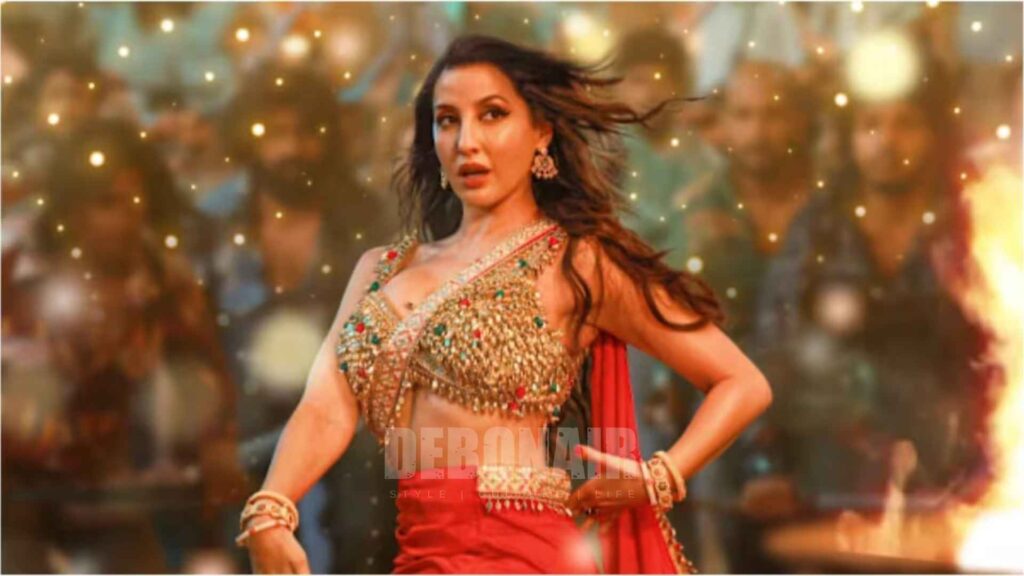
It’s that it felt out of sync.
The film, KD: The Devil, is being pitched as this gritty, period underworld story. Dark edges, complex characters, a certain weight to its world. And then this song drops in, with metaphors and imagery that feel like they’ve been pulled from a much older playbook. One that audiences don’t respond to the same way anymore.
That gap, you can feel it.
There’s also something else going on, something quieter but more telling. Audiences have changed faster than the industry sometimes realizes. What might have passed off as cheeky or bold a decade ago now gets picked apart within minutes. Not because people are overly sensitive, but because they’re paying closer attention.
And maybe creators are still catching up to that shift.
Because this wasn’t a small project. This is a big film, with big names, heading toward an April 30 release like nothing’s happened. And technically, nothing has. The schedule hasn’t changed. There’s no official word of edits or course correction.
But it would be naive to think this just disappears.
It doesn’t. It lingers in the background, quietly reshaping how people will walk into the theater. You can’t unsee a controversy like this. It becomes part of the film’s identity whether the makers intended it or not.
And maybe that’s the real takeaway here.
Not the outrage, not even the legal angle.
Just the reminder that in a space where everything is instantly visible and endlessly discussed, there’s very little room for misreading the moment. You either understand where the audience is, or you don’t.
This time, it feels like they didn’t.
And the music stopped a little sooner than expected.
Stay updated with the latest in fashion, lifestyle, and celebrity stories—straight from the world of Debonair. Follow us on Instagram, X (Twitter), Facebook, Youtube, and Linkedin for daily style and culture drops

Sana has been covering film, fame, and everything in between for over a decade. From red carpets to rehab rumors, she brings nuance, wit, and an insider’s edge to every story. When she’s not reporting, she’s probably watching Koffee With Karan reruns or doom-scrolling celebrity IG feeds.