




The ocean always felt like his element.
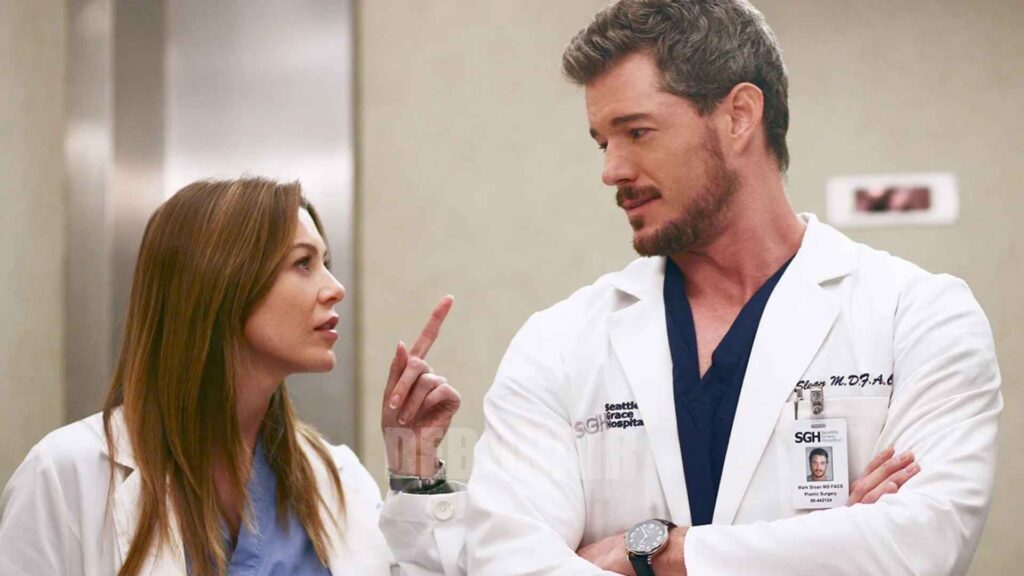
If you ever watched Eric Dane move across a screen, whether in the fluorescent corridors of Seattle Grace or under the sun-scorched skies of Euphoria, you could sense it. That ease. That saltwater confidence. He carried himself like someone who had learned to ride the tide instead of fighting it. So when news broke on February 19, 2026, that Eric Dane had passed away at 53 after a battle with ALS, it felt less like a headline and more like a hush rolling in.
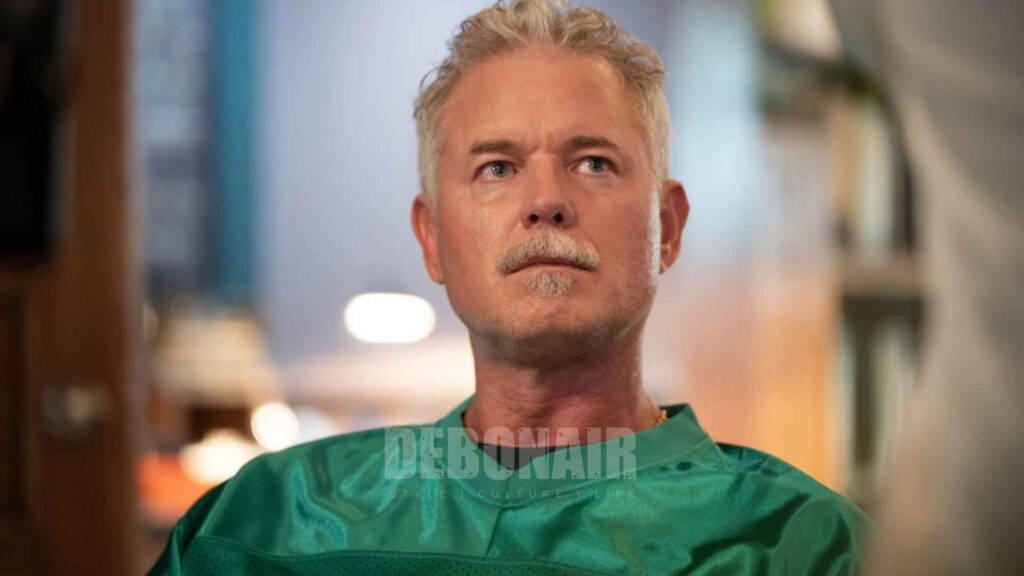
His family confirmed he was surrounded by loved ones. And honestly, that detail lingers. There is something about that image, a room filled with familiar hands and steady breaths, that softens the cruelty of the disease. ALS is ruthless. It strips. It slows. It steals. But it cannot touch the atmosphere of love if it is already there.
For many, he will always be McSteamy from Grey’s Anatomy. That nickname alone carries a thousand Thursday nights, wine glasses clinking against coffee tables, and the collective gasp of a generation discovering desire in primetime television. Later, on Euphoria, he reemerged as something darker, more complex. The kind of father who was both fragile and flawed, holding together a world that was quietly cracking. He aged into roles the way good actors do, with honesty instead of vanity.
But here is the catch. The final chapter did not belong to scripted drama. It belonged to something far more intimate.
On February 20, just one day after his passing, Netflix released his episode of Famous Last Words. The docuseries, produced by Brad Falchuk, is built on a haunting premise. Interviews are filmed in advance and aired only after the subject’s death. It sounds almost theatrical, almost surreal. Yet watching Eric Dane speak from November 2025 felt anything but staged. It felt like a father sitting at the edge of his daughters’ beds, choosing his words carefully because he knew time was no longer generous.
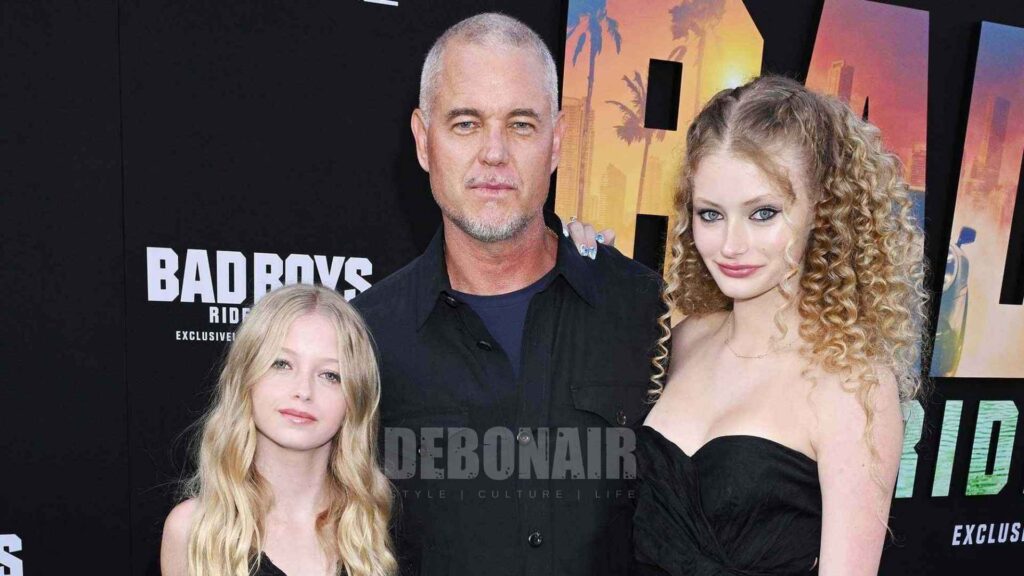
He addressed Billie, 15, and Georgia, 14, directly.
“I tried. I stumbled sometimes, but I tried. Overall we had a blast, didn’t we?”
That line has been echoing across timelines ever since. TikTok edits, Instagram reels, late night reposts. Social media can be chaotic, but every so often it becomes a cathedral. And this week, it has been one.
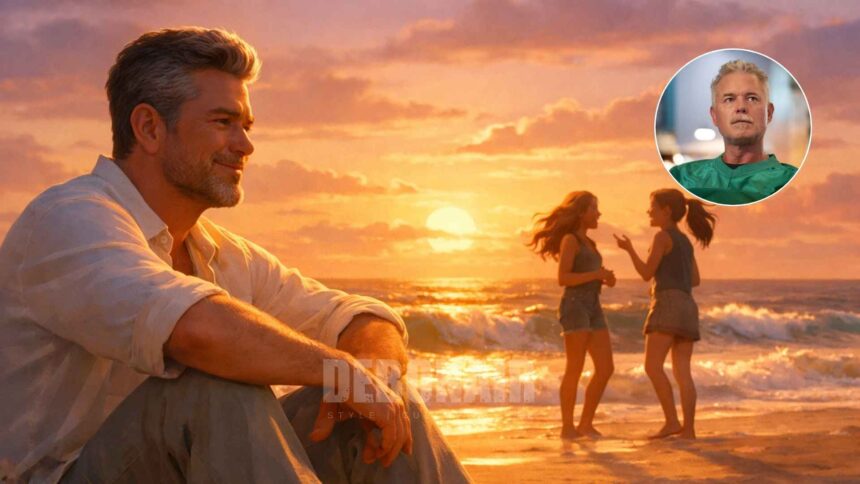
He reminisced about beach trips. You can almost see them. Towels thrown over sun warmed sand, wind tugging at umbrellas, daughters racing toward the water while he lingers just behind, smiling. Those are the images he chose to hold up in his final public words. Not red carpets. Not premieres. Not accolades. Just the beach.
Truth is, that says everything.
ALS forced him into a confrontation most of us spend our lives avoiding. The slow understanding that the body is temporary. In the interview, he shared four lessons the disease carved into him. Live in the present. Fall in love with your passions. Fight with dignity. Embrace resiliency as a superpower.
They are simple sentences. But they land differently when spoken by someone whose voice carries the weight of a diagnosis.
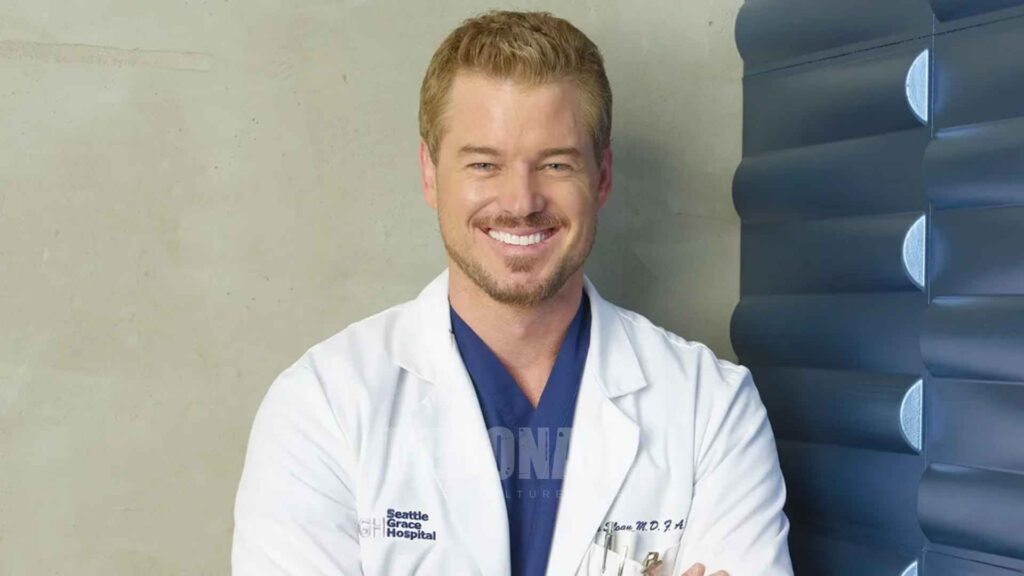
Live in the present. He said it without cliché. Not as a poster slogan, but as a man who had watched tomorrow become uncertain.
Fall in love with your passions. You remember how alive he looked on screen. Acting was not just a job for him. It was a current he swam in. He fell in love with it, again and again.
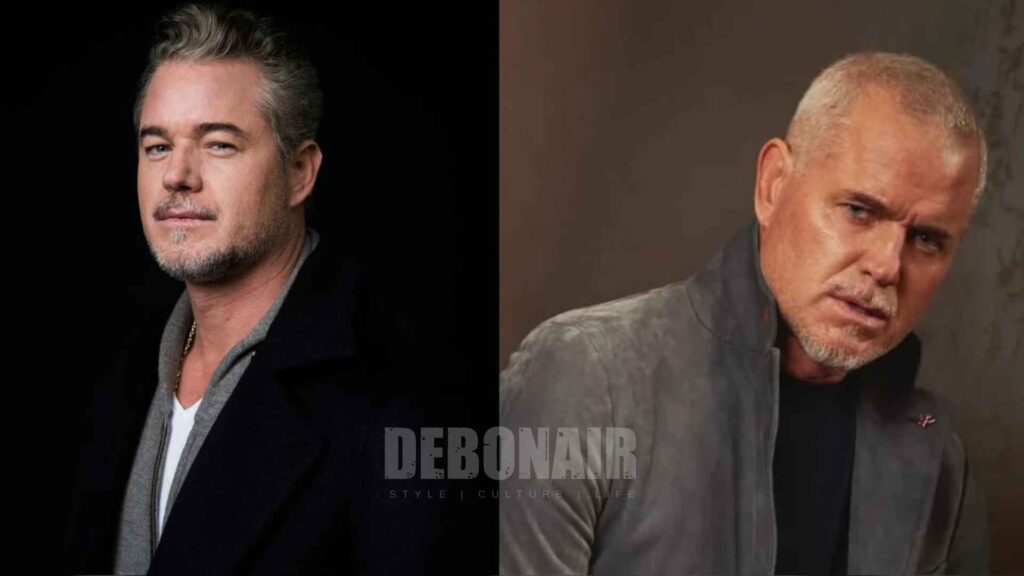
Fight with dignity. There is nothing glamorous about ALS. It tests pride. It dismantles independence. To fight with dignity is to choose grace when your body betrays you.
And resiliency as a superpower. That one feels personal. Like a note he left folded in his daughter’s pockets. Resiliency is not loud. It is not flashy. It is a quiet decision to get up again.
The timing of the episode’s release was almost unbearably poignant. A day after his passing, the world watched him speak as if he were still here. His eyes are steady. His voice is deliberate. It felt like time folding in on itself. As if he had found a way to attend his own farewell, to shape it with tenderness instead of spectacle.
Coverage has continued, but not in the feverish way celebrity deaths often spiral. It has felt slower. More reflective. There is something about ALS that commands reverence. The public saw him battling it, yet he never let it define the entirety of his narrative. He was not just a patient. He was a father, an actor, a man who had known fame and missteps and love.
And just like that, the story shifts from loss to legacy.
His daughters are still teenagers. Billie and Georgia will grow up carrying a father who became a cultural touchstone and then a lesson in resilience. They will rewatch that interview at different ages, hearing new meanings each time. At 20, maybe they will hear the apology in “I stumbled sometimes.” At 30, maybe they will hear the pride in “we had a blast.”
There is something about a final message that strips away performance. No retakes. No rewrites. Just intention.
If you scroll through the reactions online, you see strangers writing as if they knew him. In a way, they did. Television has that strange intimacy. We invite actors into our living rooms during heartbreaks, holidays, and breakups. We let their characters sit beside us while we figure out our own lives. So when one of them leaves, it feels personal.
But this one feels different. Maybe because he left us with instructions.
Live now. Love deeply. Fight with dignity. Be resilient.
It sounds almost too neat. But watching him speak, you realize it was not neat at all. It was hard won. Earned in hospital rooms and quiet mornings when movement became effort.
The ocean metaphor comes back. Waves do not apologize for retreating. They gather, they crest, they dissolve. And then they return in memory, in rhythm.
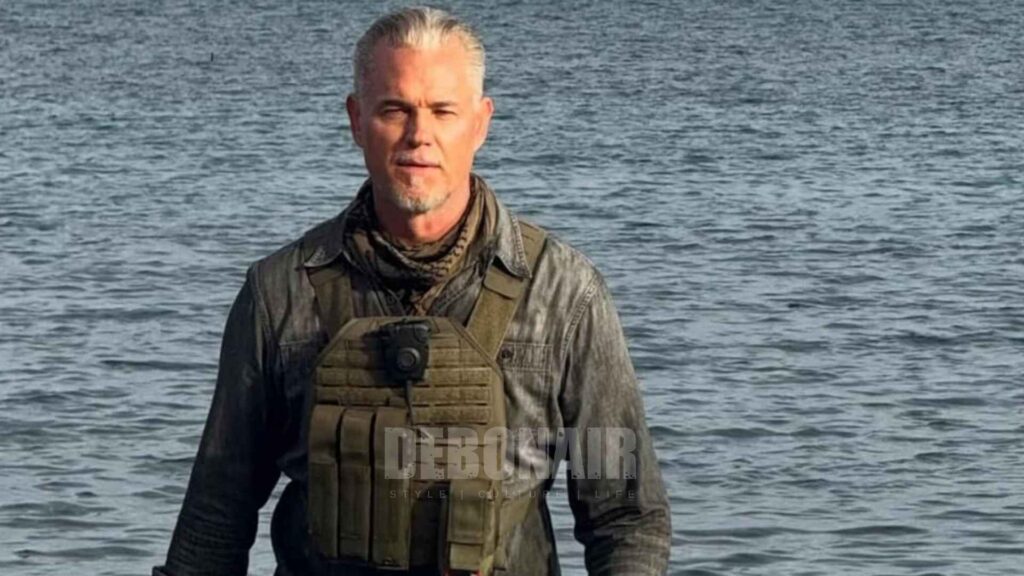
Eric Dane’s career will be replayed endlessly, streaming on loop in bedrooms and dorm rooms and nostalgic nights. Yet it is that final beach memory that lingers. A father telling his daughters that despite the stumbles, they had a blast.
Honestly, it felt like he was permitting them to remember him in laughter instead of loss.
And maybe that is the real superpower.
Stay updated with the latest in fashion, lifestyle, and celebrity stories—straight from the world of Debonair. Follow us on Instagram, X (Twitter), Facebook, Youtube, and Linkedin for daily style and culture drops.

Sana has been covering film, fame, and everything in between for over a decade. From red carpets to rehab rumors, she brings nuance, wit, and an insider’s edge to every story. When she’s not reporting, she’s probably watching Koffee With Karan reruns or doom-scrolling celebrity IG feeds.