





The lobbies were packed by 9 AM. Not for a holiday release, not for some once-in-a-generation event film with three years of hype behind it. Just a Tuesday morning, six days into Dhurandhar 2: The Revenge, and people were still showing up. That, more than any box office figure, is the real story here.
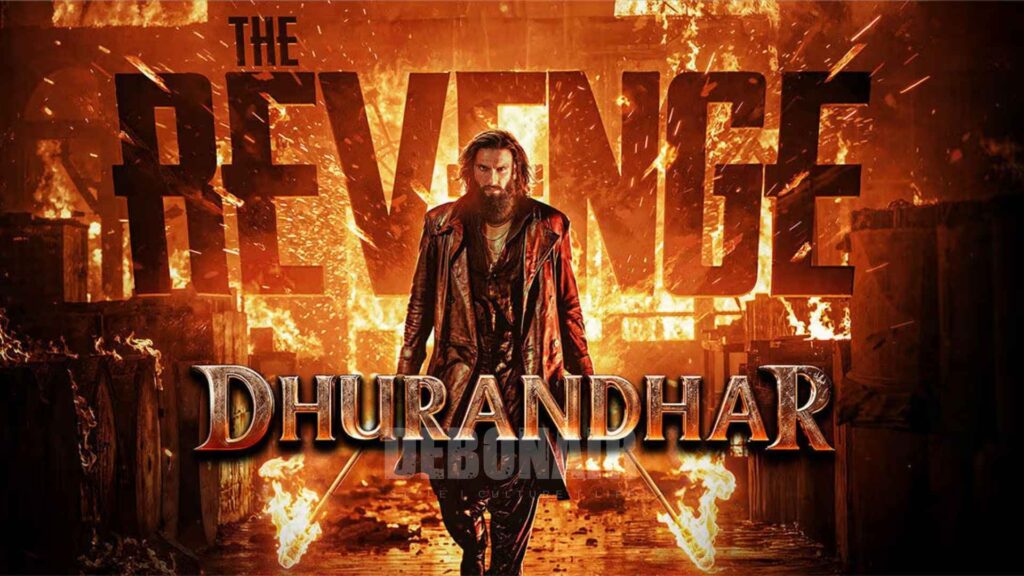
Because the numbers are already obscene. Rs 102 crore on Day 1. Rs 114 crore on Day 4. Rs 575 crore net in India in under a week, making it the fastest Hindi film to cross that domestic threshold in history. The biggest extended opening weekend for a Bollywood film, ever, both at home and worldwide. By the time you’re reading this, the worldwide gross has cleared Rs 900 crore and is pointing its nose toward Rs 1,000 crore like it has somewhere to be. Fast.
But numbers don’t breathe. People do. And the people who’ve been filling those seats, sometimes twice, sometimes dragging relatives who swore they were done with three-hour films, they are the actual story. Dhurandhar 2 hasn’t just performed well. It has triggered something. A collective, almost manic enthusiasm that trade analysts are still trying to find the right language for.
Aditya Dhar, for his part, probably isn’t surprised.
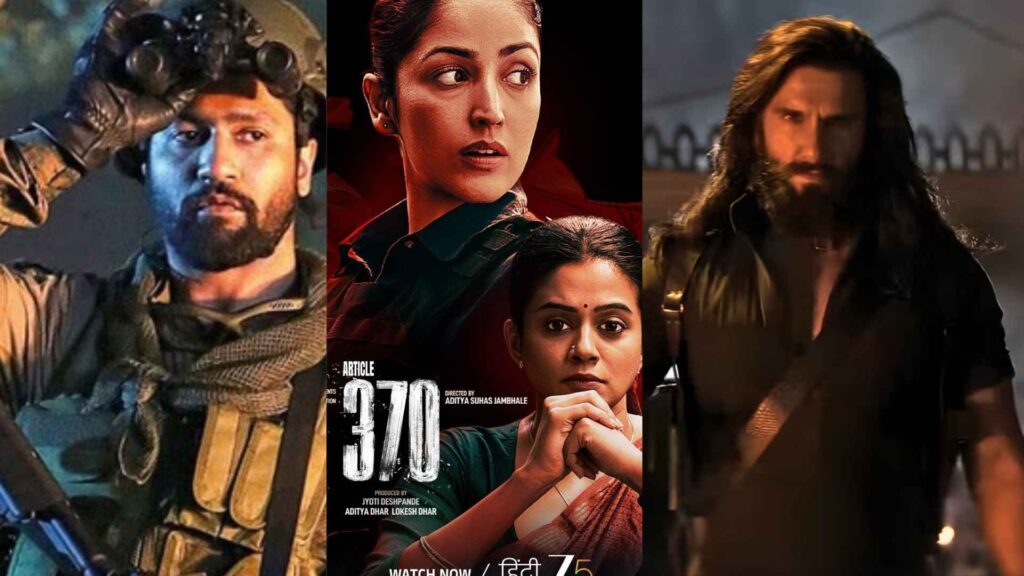
He’s made this kind of cinema before. Uri. Article 370. Dhurandhar. Each one a little louder, a little more confident in its own convictions. Each one finding a bigger audience than the last. The sequel doesn’t tinker with the formula, it amplifies it. More scale, more violence, more of Ranveer Singh doing that thing he does now, that quiet, coiled intensity that feels nothing like the performer who arrived on screen a decade ago in Band Baaja Baaraat. Critics who’ve come around to the film, even partially, tend to land on his performance as the reason they stayed through the runtime. And the runtime is considerable. You don’t drift through a Dhar film. You commit.
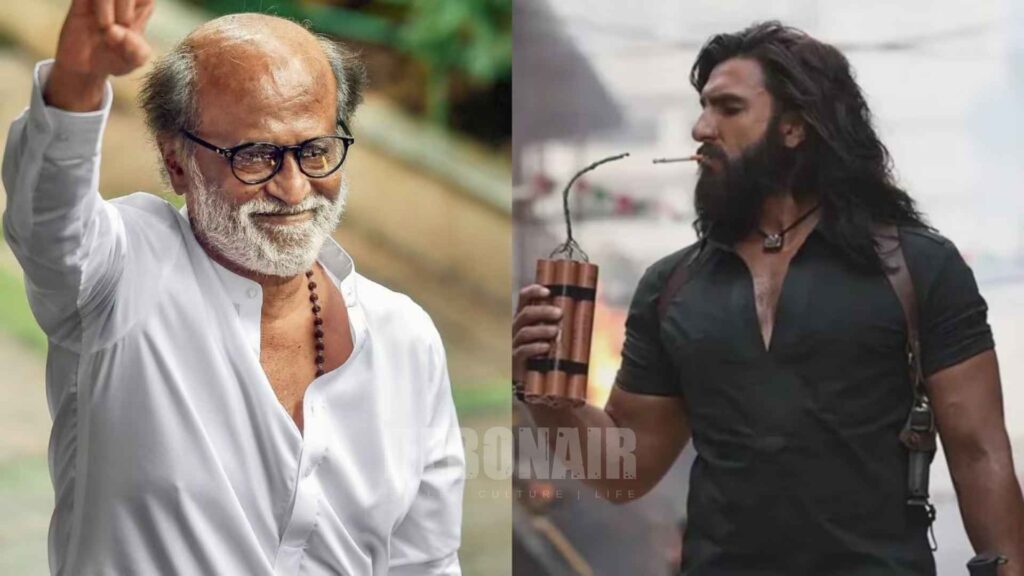
Rajinikanth called it “box office ka baap.” SS Rajamouli praised it. Alia Bhatt, Jr NTR, the kind of names that don’t throw endorsements around casually, all came forward. Ameesha Patel made a sharper point than most, noting that Dhar cast actual actors rather than people with follower counts, which is a gentler way of saying that this film was built by people who still believe in cinema as a serious craft, not content.
And then, sitting completely apart from all of that, there is the international critical response.
It is not good. Rotten Tomatoes has the film at 42% from critics, against a 96% audience score. That gap should probably be framed and put on a wall somewhere, because it captures something real about where we are right now, not just with this film, but with cinema broadly. Sarah Manvel called the experience sociopathic. Carla Hay went after its portrayal of ethnicity and what she described as a jingoistic, sadistically violent repackaging of real historical events. The New York Times landed somewhere quieter but possibly more damning, calling it a film of the current moment, which isn’t exactly a comfort.
That last line has stuck with me. It doesn’t accuse. It just observes, the way you might describe a symptom without quite naming the illness. There’s something in that restraint that cuts harder than the louder reviews.
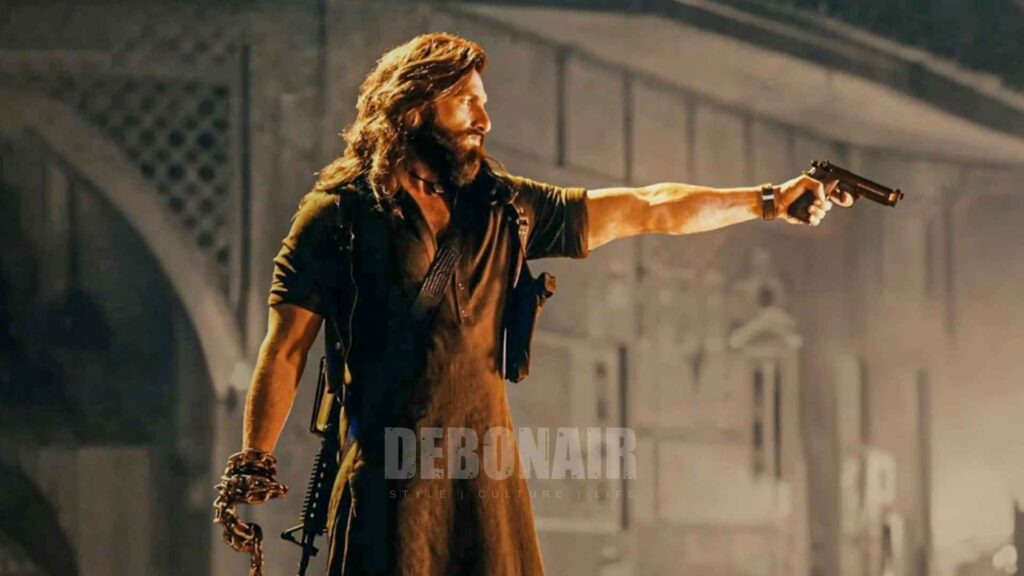
Here’s the thing though. Dhurandhar 2: The Revenge was never making a case for itself to foreign critics. It isn’t trying to win over a film festival jury or find crossover audiences in arthouse cinemas. It knows exactly who it’s for and it gives them everything, full throttle, no apologies. Whether you find that kind of cinema exciting or alarming probably tells you more about yourself than about the film. That’s not a defense of it. Just an honest read of what’s happening.
The first film was banned across Gulf Cooperation Council countries and still crossed Rs 1,000 crore worldwide. This one is moving faster, on every metric. The overseas numbers, already past $32 million internationally, tell you that the diaspora is engaged, emotionally, not just nostalgically. North America alone delivered figures that put the film on mainstream US weekend charts, sitting just behind Project Hail Mary in its opening days. Think about what that means for a Hindi-language film without a Marvel budget or a Hollywood distribution machine.
Trade analysts are now asking not whether Dhurandhar 2 will cross Rs 1,000 crore worldwide, but how fast. Some are already sketching out what it might look like against the all-time Hindi grossers list. If the weekday hold keeps up, and so far it largely has, the second weekend could be the moment this film stops being a blockbuster and becomes a chapter in Indian cinema history.
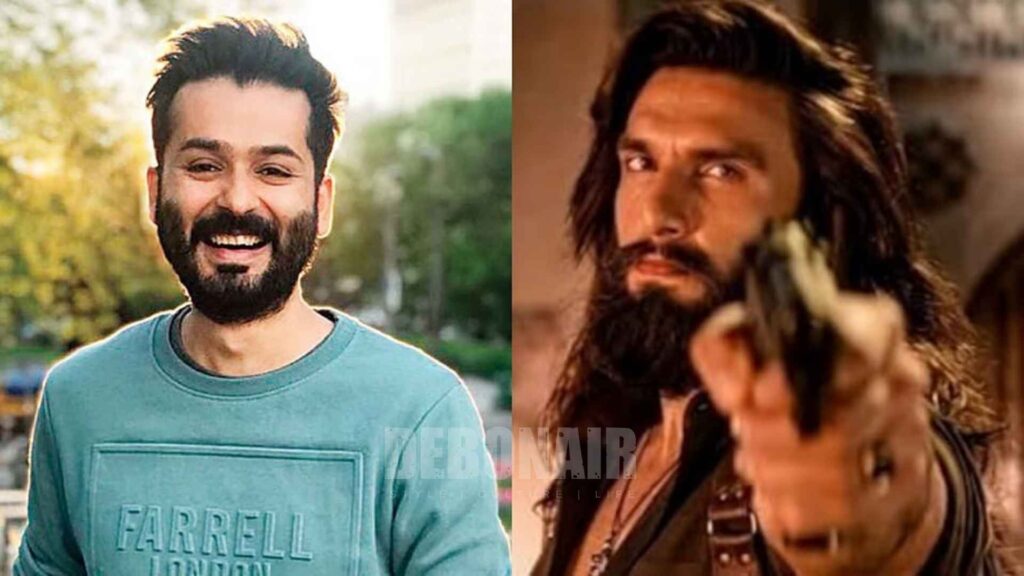
Aditya Dhar has now built something the industry kept insisting wasn’t possible at this scale in Hindi film. A franchise. A universe with its own internal logic, its own devoted audience, its own cultural weight. You can critique the politics of that universe, and many smart people do, quite loudly. But you can’t dismiss the craft. And you definitely can’t argue with the audience.
They’ve already bought their tickets.
Stay updated with the latest in fashion, lifestyle, and celebrity stories—straight from the world of Debonair. Follow us on Instagram, X (Twitter), Facebook, Youtube, and Linkedin for daily style and culture drops.

Zayn blends critical thinking with genuine fandom. Whether it’s decoding OTT series arcs or rating the latest Bollywood blockbuster, he writes with clarity, pop fluency, and a dash of irreverence.