



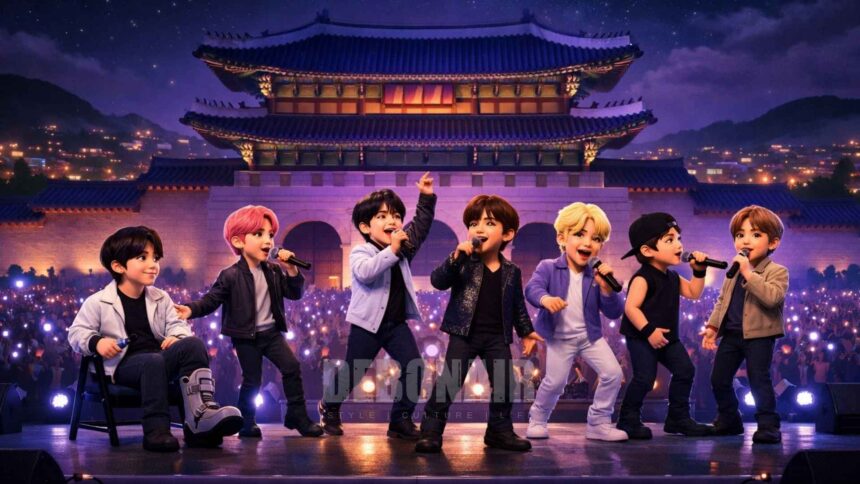
The air in central Seoul on Saturday night felt different. Not charged exactly, more like held. The way a room goes quiet before someone important walks in, except the room was an open square, the someone was seven men, and the quiet was tens of thousands of people collectively forgetting to exhale.
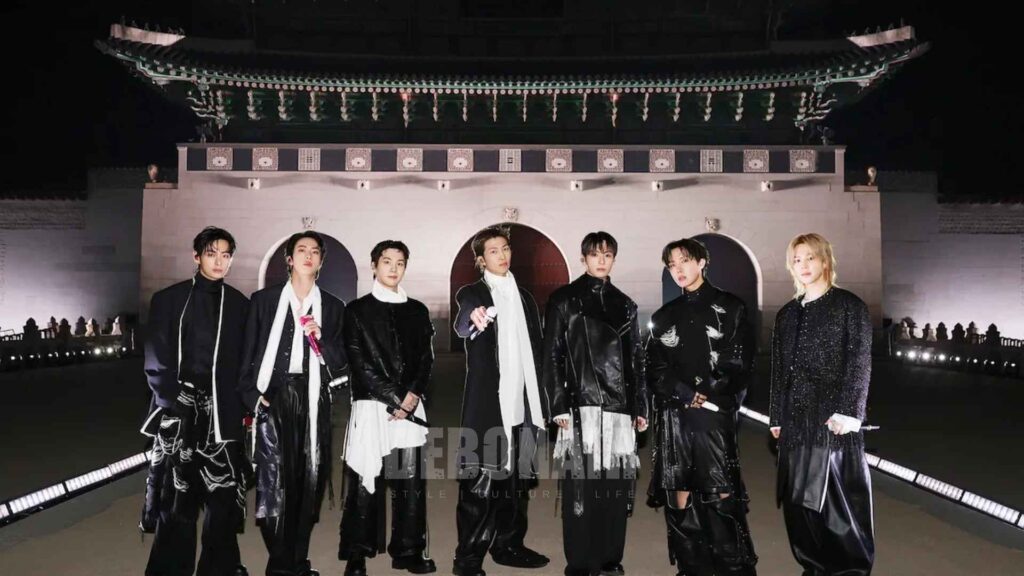
Gwanghwamun has seen things. Protests that shook governments. Candlelight vigils in the cold. The particular grief of a country processing itself in public. So when BTS walked out in front of the Gyeongbokgung Palace gate at 8 p.m. and RM said “Annyeonghaseyo, we’re back,” it landed the way things land in places that have already absorbed so much history. Quietly. Completely. Like water into dry ground.
Four years is not nothing. In pop music, four years is practically a geological era. Trends don’t just shift, they fossilize and get replaced by entirely new organisms. The industry, which never actually loved BTS so much as it needed them, moved on in the way industries do: noisily, briefly, and then it started whispering about whether the comeback could work. Whether the moment had passed. Whether the culture had moved.
It had not moved. Or maybe it had moved exactly toward them.
The album, Arirang, dropped the day before the concert and sold somewhere close to 4 million copies before most of the world had finished their morning coffee. Named after a Korean folk song so old and so embedded in national consciousness that it functions as an unofficial anthem in both Koreas, the title alone was a statement. Not a commercial calculation. A declaration of something more personal: this is where we come from, and we are not embarrassed by it. Suga said as much to the crowd, connecting the album name and the Gwanghwamun venue as two parts of the same sentence about identity. RM put it slightly differently, said they wanted to make music that felt true to themselves, wanted to show who they are and how they can come together. Short words for a big idea.
The stage setup was extraordinary without being showy, which is harder to pull off than it sounds. Director Hamish Hamilton, who has handled Super Bowl halftime shows and the Oscars and knows a thing or two about spectacle under pressure, described the production as among the most logistically complex of his career. The set was designed like a picture frame, built to hold the Gwanghwamun gate within it rather than compete with it. Behind the performers, the ancient palace walls were mapped with light projections, washed in purple and red and blue. It was the first time the structure had ever been used as the backdrop for a pop concert. It looked like it had been waiting for exactly this.
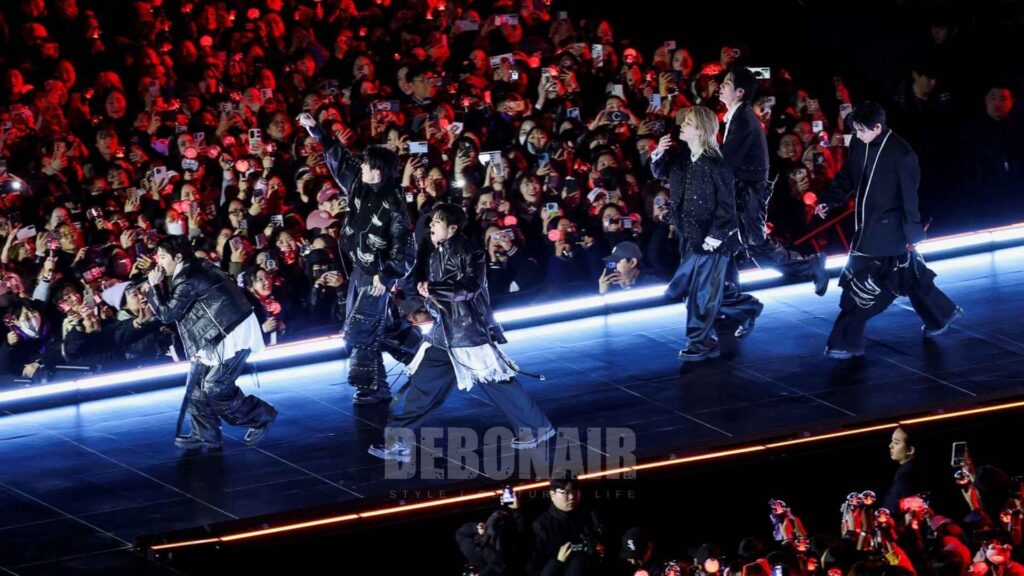
Then there was RM’s ankle. Two days before the show, during rehearsals, he tore a ligament. The label released a careful, measured statement about modified choreography and doing his utmost. What actually happened was this: he wore a walking boot, kept a stool at the front of the stage, and performed the entire hour with the particular focus of someone who knows that sitting out is not an option they’re willing to consider. There’s a specific kind of respect that generates, different from the admiration you feel watching someone at the top of their game. This was the admiration you feel watching someone refuse to let the moment pass them by, even when their body is telling them otherwise.
The set opened with three new tracks back to back. “Body to Body,” then “Hooligan,” then “2.0.” A deliberate choice, leading with the unfamiliar rather than easing in through nostalgia. It said something. We are not here to be what we were. We are here to show you what comes next. The classics arrived later, and when they did, the crowd responded with that specific delirium that only old familiarity can trigger. But the new material held its own completely, which is not guaranteed and not something you can fake in front of tens of thousands of people.
The lead single, Swim, has choreography built around the imagery of water. Fluidity, surrender, the choice to keep moving rather than resist. It sounds almost too neat as a metaphor for a group returning from military service, and yet watching it performed live in front of a palace gate in the heart of Seoul, it didn’t feel neat at all. It felt earned.
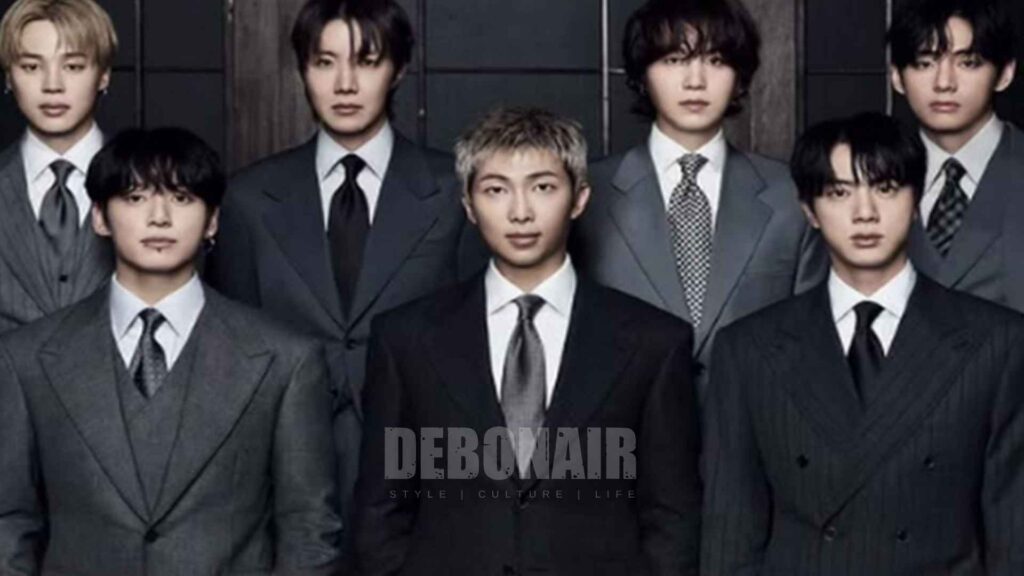
Analysts, naturally, went to work immediately. Projected tour revenues in the billions. Comparisons to the Eras Tour, to Coldplay’s Music of the Spheres run. The Arirang World Tour starts April 9 in Goyang and runs through 34 regions across a year, with dates at the Tokyo Dome, MetLife Stadium, Stade de France. The scale is genuinely historic for K-pop. That part is real and worth noting.
But honestly, the numbers are the least interesting thing about what happened Saturday.
What happened Saturday was a group of men in their late twenties and early thirties, who spent the better part of two years in uniform and came out the other side apparently more themselves than before, stood in front of a landmark that has absorbed the grief and rage and hope of an entire nation, and made it feel like a homecoming. Not just theirs. Everyone’s.
A documentary, BTS: The Return, covering the making of the album, arrives on Netflix on March 27. One imagines the process was something. The product certainly is.
The era has a name now. The era has a sound. And Gwanghwamun, which remembers everything, has one more night stored somewhere in its bones.
Stay updated with the latest in fashion, lifestyle, and celebrity stories—straight from the world of Debonair. Follow us on Instagram, X (Twitter), Facebook, Youtube, and Linkedin for daily style and culture drops.

Aarav writes about modern Indian life with warmth, curiosity, and cultural flair. Whether it’s evolving relationships, homegrown movements, or the psychology of trends, his work feels like a long conversation with a thoughtful friend.