




It didn’t feel like breaking news. It felt like a hush. The kind that settles over a room when a familiar song ends and no one reaches for the remote right away. On January 27, the idea of Arijit Singh stepping back from playback singing surfaced, and instead of chaos, the industry responded with something softer. Reflection. Respect. A collective pause.
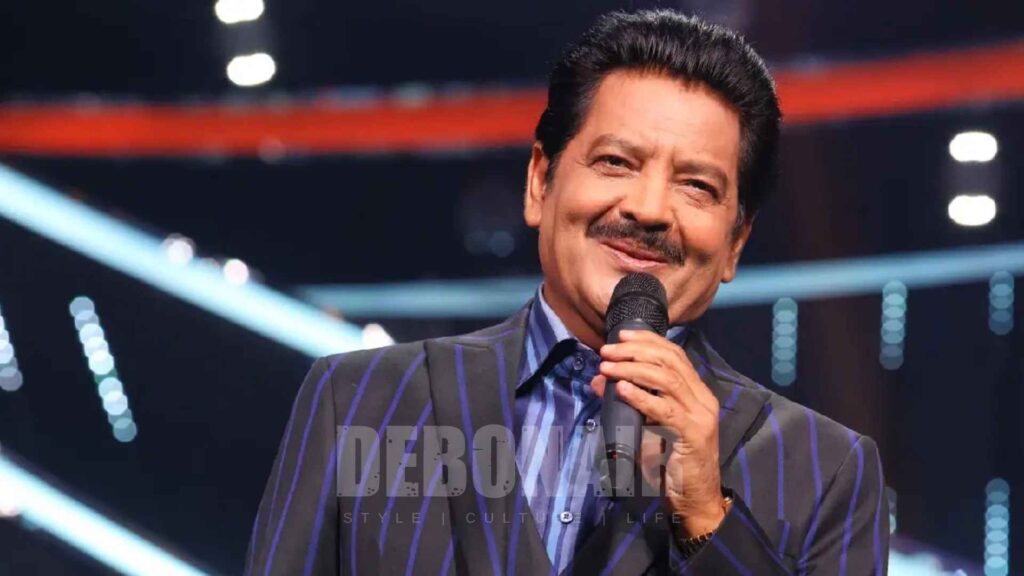
By the following day, the voices responding to the moment carried more weight than noise. Among them was Udit Narayan, a singer whose voice has survived formats, eras, and the fickle moods of popular taste. When he spoke, it wasn’t to speculate or sensationalize. It was to contextualize.
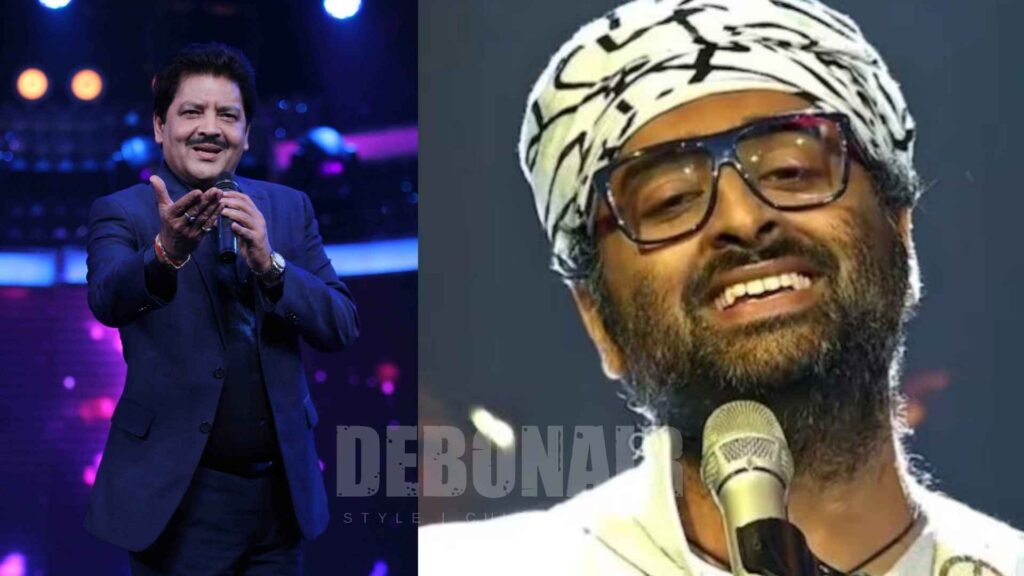
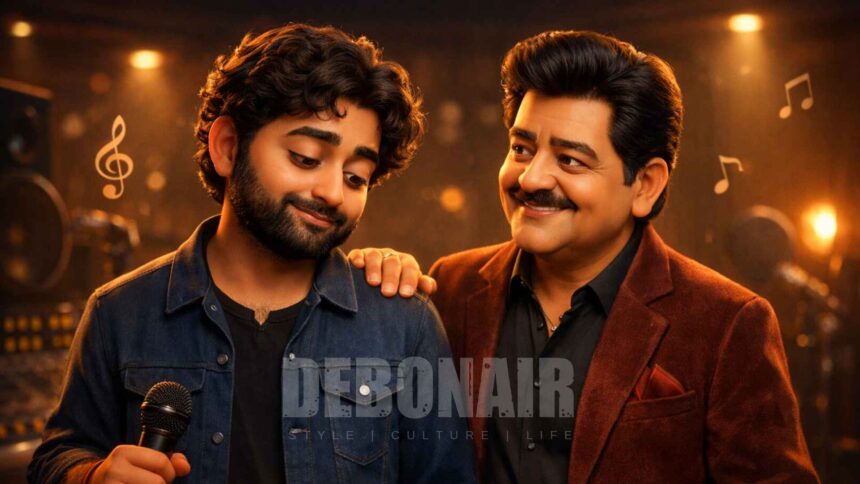
Arijit may retire from playback, Udit said, but he will not leave music.
There was no drama in the statement. No attempt to soften the reality or exaggerate it. Just clarity, delivered with the assurance of someone who understands how music outlives careers, contracts, and even presence. Coming from Udit, it sounded less like commentary and more like perspective earned over decades.
He spoke about Arijit’s rise the way elders speak about prodigies who arrive knowing exactly who they are. The speed of it all stood out to him. The awards. The acclaim. The devotion of listeners who did not just enjoy the songs but lived inside them. Arijit did great work in very little time, Udit noted, and then came the line that stayed with people long after the interviews ended. His work is etched in people’s hearts and it will forever be there.
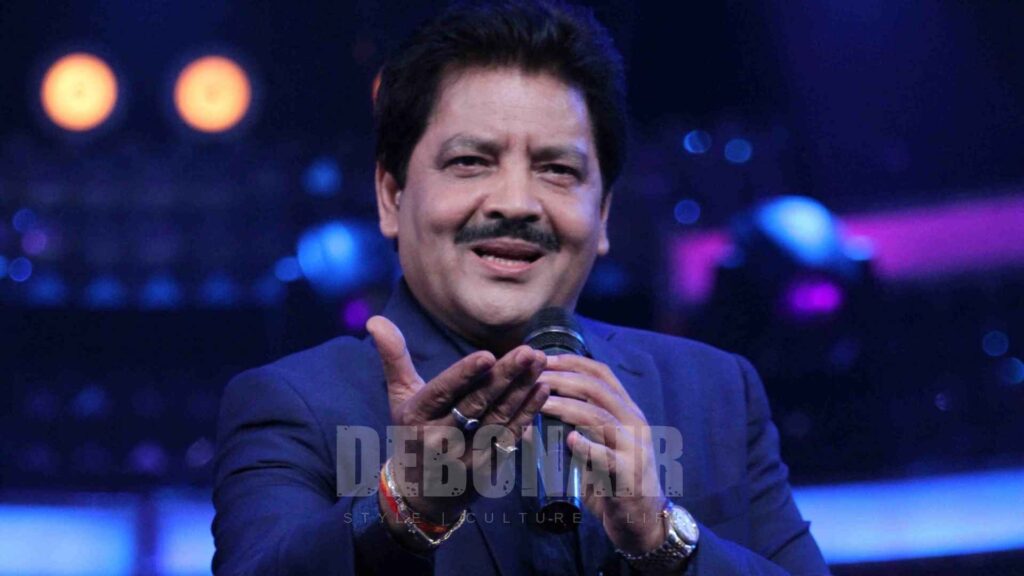
That sentence explains the calm around this moment better than any analysis could. Arijit’s music was never about chasing visibility. It seeped in. It stayed. It became muscle memory. Songs you found yourself humming without realizing when they entered your life. Love songs that carried more silence than sound. Heartbreak anthems that didn’t demand attention but earned it.
Playback singing, for all its glamour, is still a role. One lane in a wide creative landscape. Udit was careful to draw that distinction. Stepping away from playback does not mean stepping away from music. It means choosing how to engage with it on different terms. After years of relentless output, that choice feels less like withdrawal and more like intention.
Others echoed the same understanding. Chinmayi Sripada described Arijit as spiritually evolved, someone guided by a higher calling. In an industry obsessed with numbers and relevance, it was a striking observation. Yet it rang true. Arijit has always appeared slightly detached from the machinery around him. Present, yes. Grateful, always. But never consumed by it.
Composers responded with a quieter grief. Toshi Sabri spoke about collaborations that would now remain unrealized, not with bitterness but with genuine sadness. It was the sound of creative possibilities closing gently rather than being slammed shut. Across the board, the reactions shared a similar tone. Acceptance layered with longing.
There were no demands for explanations. No accusations of abandonment. Perhaps because Arijit has already given more than enough to earn the right to choose silence if he wants it. Or perhaps because fans sense that this decision has been forming for a long time.
Reports resurfaced about Arijit once asking Salman Khan to let him retire after recording a song for Sultan back in 2016. Back then, it sounded like exhaustion cloaked in humility. Looking at it now, it feels more like foresight. A reminder that this idea did not arrive overnight. It matured quietly, the way some decisions do, waiting for the right moment to surface.
What is notable is how mature the conversation around this announcement has been. No panic. No overreaction. Just an understanding that music is not erased by absence. Songs continue to play at weddings, in taxis, through headphones on late nights when sleep won’t come. They remain part of personal histories, stitched into moments people rarely talk about but never forget.
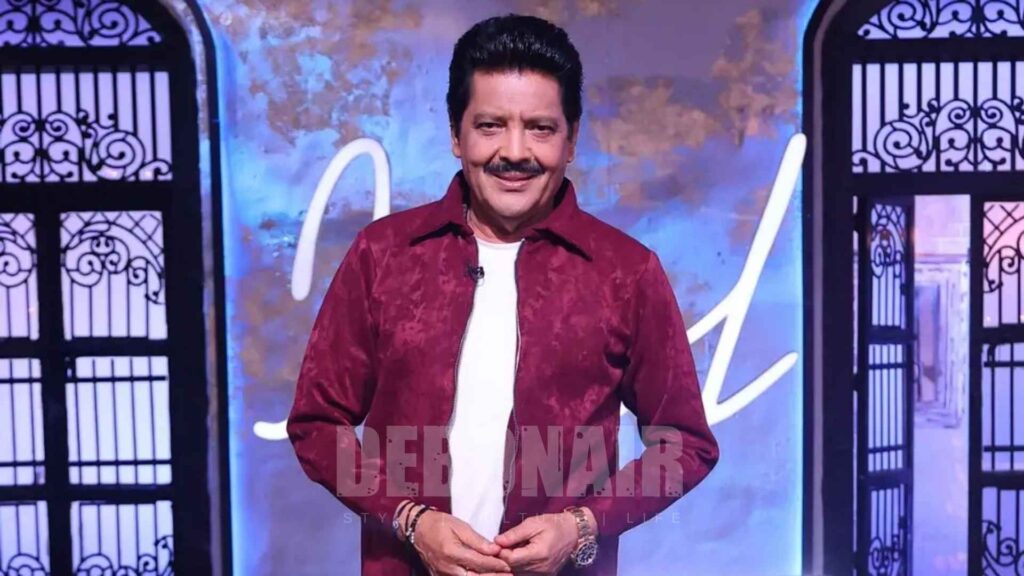
Udit’s words on January 28 grounded the entire narrative. Coming from someone whose own songs have outlived trends and technologies, the message was simple. A voice does not vanish just because it stops recording for films. Legacy does not require constant reinforcement. Some work, once done, sustains itself.
And just like that, the story shifted. This was no longer about retirement. It became about knowing when to step back without stepping away. About trusting that what you have given is enough. About choosing peace over perpetual motion.
Arijit Singh may no longer be the voice behind every cinematic heartbreak or late-night montage. But the songs already out there are not going anywhere. They are embedded in memory now. In first loves and last goodbyes. In long drives and longer silences. In people who grew up with his voice as emotional punctuation.
If this is a pause, it feels earned. If it is a pivot, it feels deliberate. And if it marks the beginning of a quieter chapter guided by instinct rather than obligation, it only deepens the respect around it.
Some music does not need to be present to remain powerful. As Udit Narayan reminded everyone, once it is etched in the heart, it stays.
Stay updated with the latest in fashion, lifestyle, and celebrity stories—straight from the world of Debonair. Follow us on Instagram, X (Twitter), Facebook, Youtube, and Linkedin for daily style and culture drops.

Sana has been covering film, fame, and everything in between for over a decade. From red carpets to rehab rumors, she brings nuance, wit, and an insider’s edge to every story. When she’s not reporting, she’s probably watching Koffee With Karan reruns or doom-scrolling celebrity IG feeds.