



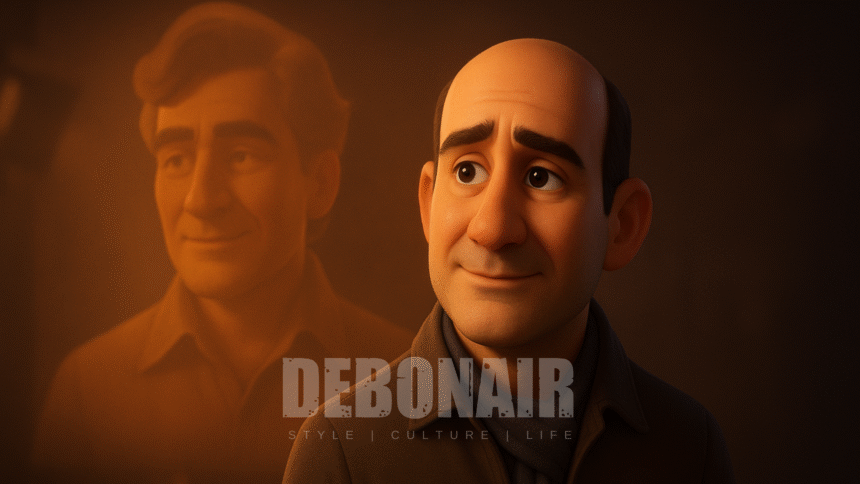
The first thing you notice about Akshaye Khanna, especially right now, is the quiet. Not silence, exactly. More like the calm that settles in a room when someone has nothing left to prove. In an industry addicted to noise, he is moving through December with the unhurried confidence of a man who has already wrestled his ghosts and learned how to sit with them.
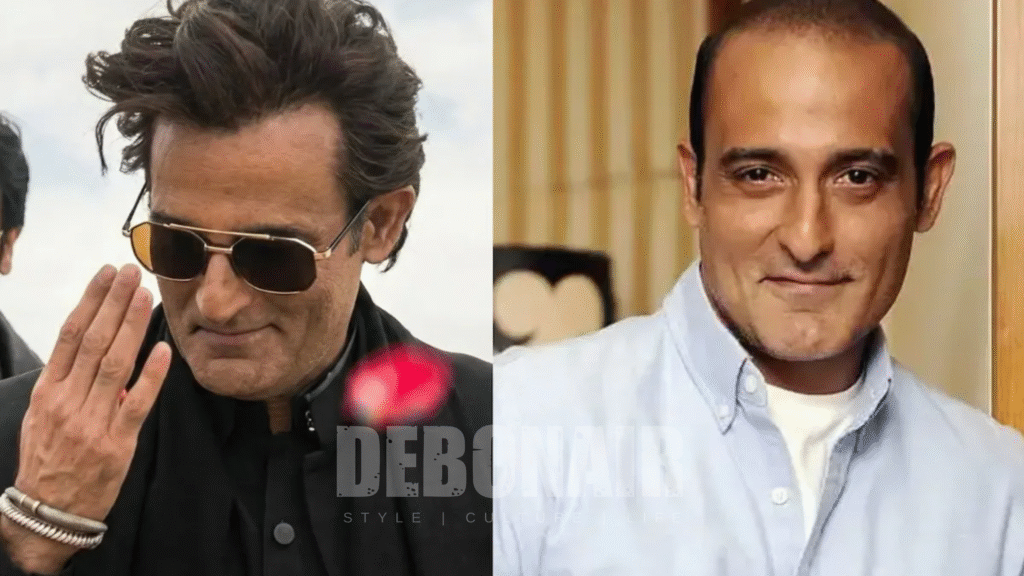
This week, as Dhurandhar continues its box office glide and social media chews over everything from a viral dance step to a behind-the-scenes health scare, an older quote has resurfaced with fresh weight. Akshaye once admitted that he became an actor because of his father, Vinod Khanna. Simple sentence. Heavy history.
Truth is, no star kid in Hindi cinema has carried inheritance quite like Akshaye. Vinod Khanna was not just famous. He was mythic. A man who could walk away from superstardom at its peak to chase something spiritual, something unknowable, leaving behind a family and an industry stunned into silence. Akshaye grew up inside that absence. He has spoken openly about not understanding, as a five-year-old, why his father would leave films and fame behind. Years later, perspective arrived. Understanding followed. But the shape of that childhood never really left him.
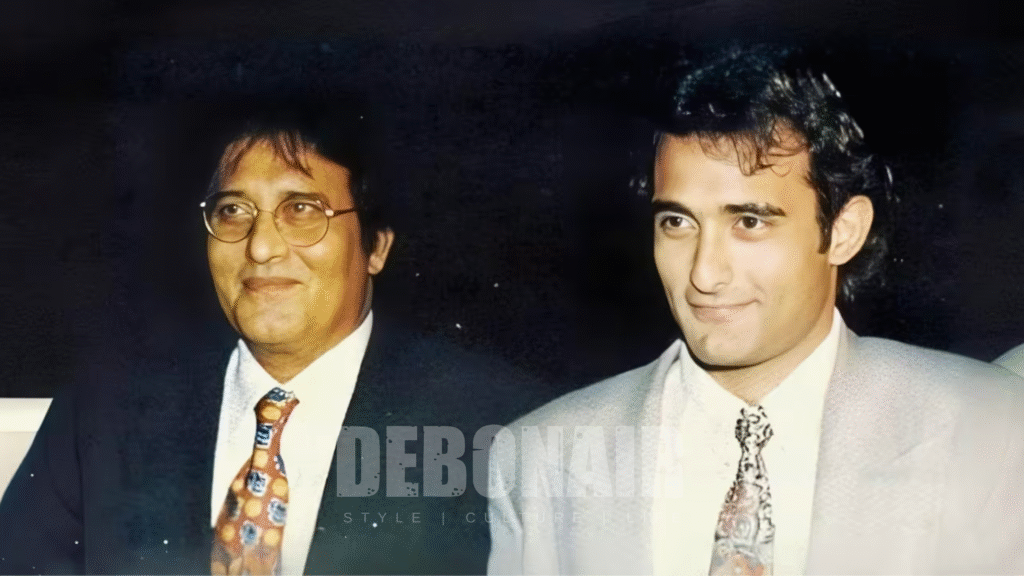
That context matters now because Akshaye’s current moment feels less like a comeback and more like a quiet reckoning. In interviews resurfacing today, he never frames his father as a burden or a shadow. Instead, he talks about the environment. About growing up watching the craft up close. About absorbing cinema not as fantasy but as work. Acting, for him, was never aspirational. It was familiar.
There is a story doing the rounds today, recalled by a schoolmate, about Vinod Khanna and Akshaye’s stepmother visiting him often during his school years. Apparently, those visits made him the school’s collective crush. It sounds charming, almost cinematic, until you remember that for a child, fame arriving at the school gate is not always magic. Sometimes it is just another reminder that your life will never be ordinary. Akshaye grew up learning how to be watched long before he learned how to perform.
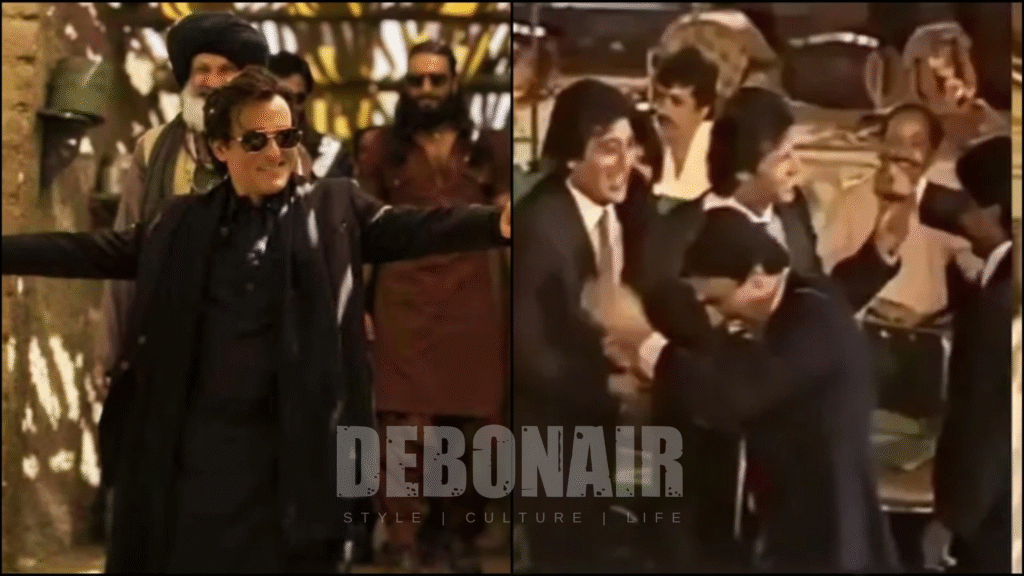
Fast forward to the Dhurandhar set, where another story has captured attention. During the shoot of the song Fa9la, Akshaye’s oxygen levels reportedly dropped. The solution was not drama, not delay. He completed the shoot carrying an oxygen cylinder. No theatrics. No grand announcement. Just work getting done. It is hard not to see a pattern here. This is a man raised by extremes. Stardom and renunciation. Glamour and withdrawal. He learned early that the show must go on, even if quietly.
Around this, the media carousel spins. Pieces revisiting Vinod Khanna’s complicated personal life. Old interviews where his second wife described him as taxing to live with, and loved him for it. Re-examinations of his honesty about desire and relationships. None of it is new, but all of it is resurfacing because legacy has a way of circling back when the next generation hits stride.
Akshaye’s half-brother, Sakshi Khanna, is also part of today’s conversation, with features noting his work as an assistant director and his own spiritual inclinations. The family story keeps branching, refusing to be linear. It mirrors the path Akshaye himself has taken. Early promise. A debut that faltered. Years of inconsistent visibility. And then, gradually, a reputation built on restraint, intelligence, and an almost stubborn refusal to chase stardom the way his contemporaries did.
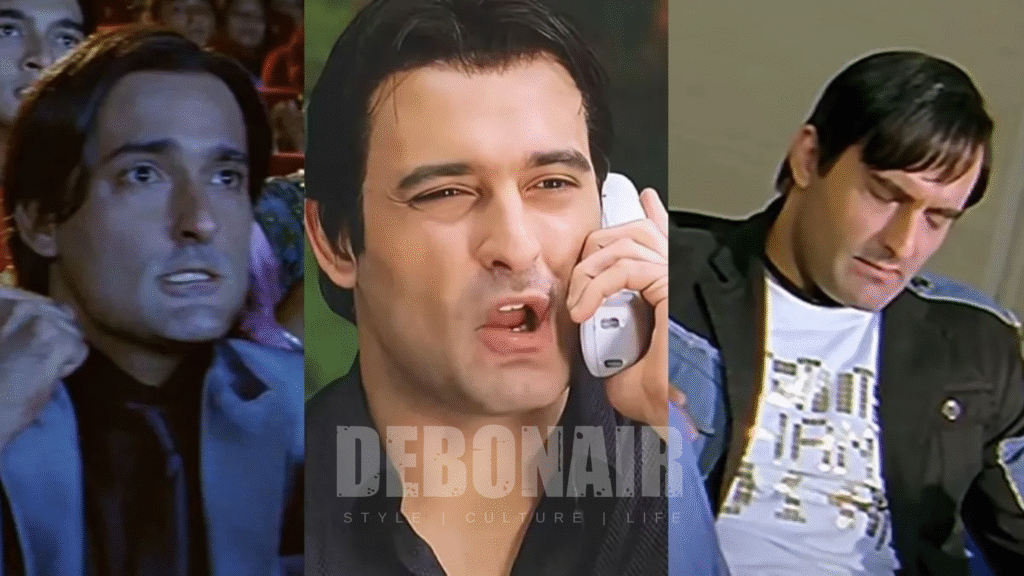
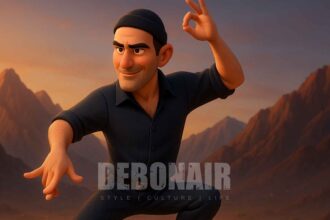
One of the more telling anecdotes trending today comes from a co-worker who explained why Akshaye’s Dhurandhar dance went viral. Apparently, he did not rehearse endlessly. He stood, watched, asked questions, and then delivered. That detail feels small until you realize it explains everything. Observation over exhibition. Thought before movement. This is not an actor chasing applause. This is an actor listening.
Social media, of course, cannot resist nostalgia. Clips from Karisma Kapoor’s wedding, where Akshaye kissed her hand, are circulating again, reframed through the lens of today’s success. The internet loves its soft focus memories. But Akshaye’s real romance has always been with the work. Even now, when profiles describe his early years as difficult, shaped by abandonment and expectation, they land on the same conclusion. He did not inherit his father’s stardom. He inherited his complexity.
And just like that, Vinod Khanna’s influence stops being about legacy and starts being about permission. Permission to step away. Permission to return. Permission to be misunderstood. Akshaye has never been loud about this, but you can feel it in the way he chooses roles, in the way he avoids spectacle, in the way he seems most comfortable when the performance speaks for itself.
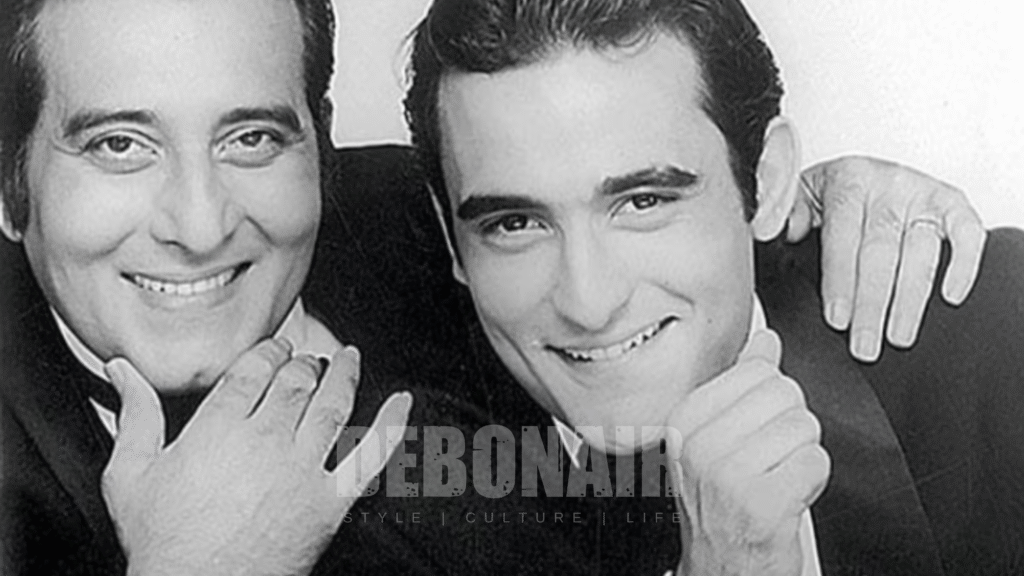
December 13 has turned into a strange, reflective day for Hindi cinema watchers. Not because of breaking news, but because of emotional alignment. A son acknowledging that his father shaped his path. An industry revisiting a man who walked away from everything. And an actor, finally in his stride, proving that influence does not have to look like imitation.
Honestly, it feels like closure without finality. Akshaye Khanna is not trying to outrun his past or rewrite it. He is simply standing in it, oxygen cylinder or not, doing the work. And in a business built on excess, that restraint feels radical.
Stay updated with the latest in fashion, lifestyle, and celebrity stories—straight from the world of Debonair. Follow us on Instagram, X (Twitter), Facebook, Youtube, and Linkedin for daily style and culture drops.

Sana has been covering film, fame, and everything in between for over a decade. From red carpets to rehab rumors, she brings nuance, wit, and an insider’s edge to every story. When she’s not reporting, she’s probably watching Koffee With Karan reruns or doom-scrolling celebrity IG feeds.