





There’s a particular kind of silence that settles over someone who’s been through the worst and made it back. Not the silence of defeat. The silence of someone who’s recalibrated, who’s looked around at the rubble and decided, quietly but firmly, that they’re still standing. Rahul Roy broke that silence today, and honestly, it hit differently than anything else circulating on the internet this week.
If you’ve spent any time online in the past few days, you’ve probably already seen the clips. The veteran Bollywood actor, the one who made an entire generation fall in love through Aashiqui, has been all over social media for the wrong reasons. Or rather, the reasons people decided were wrong.
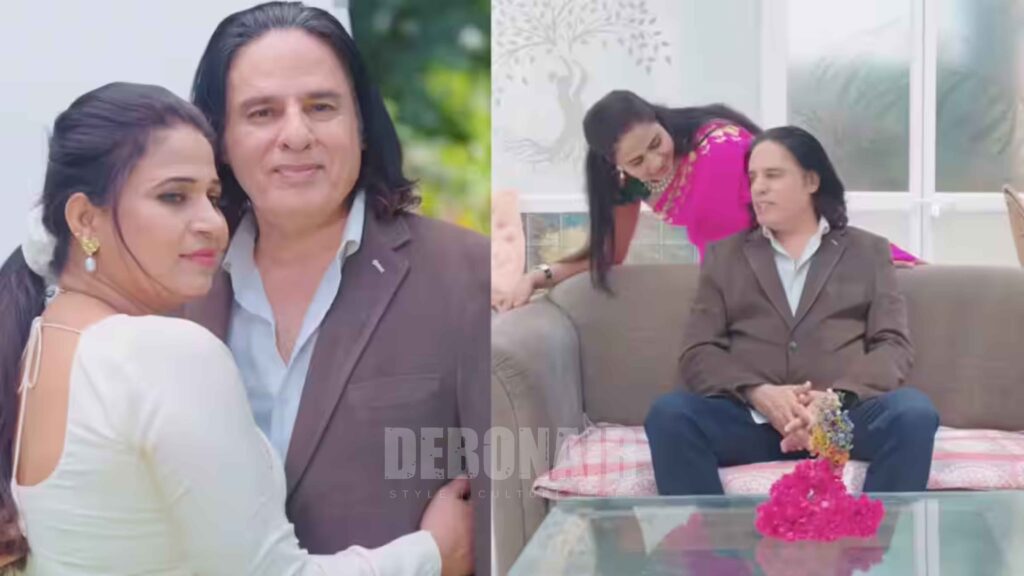
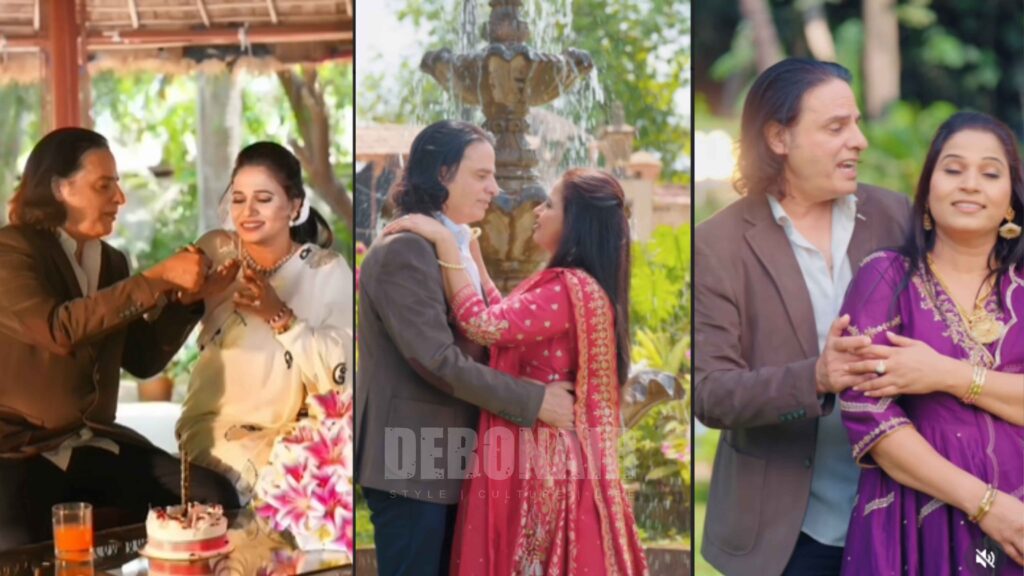
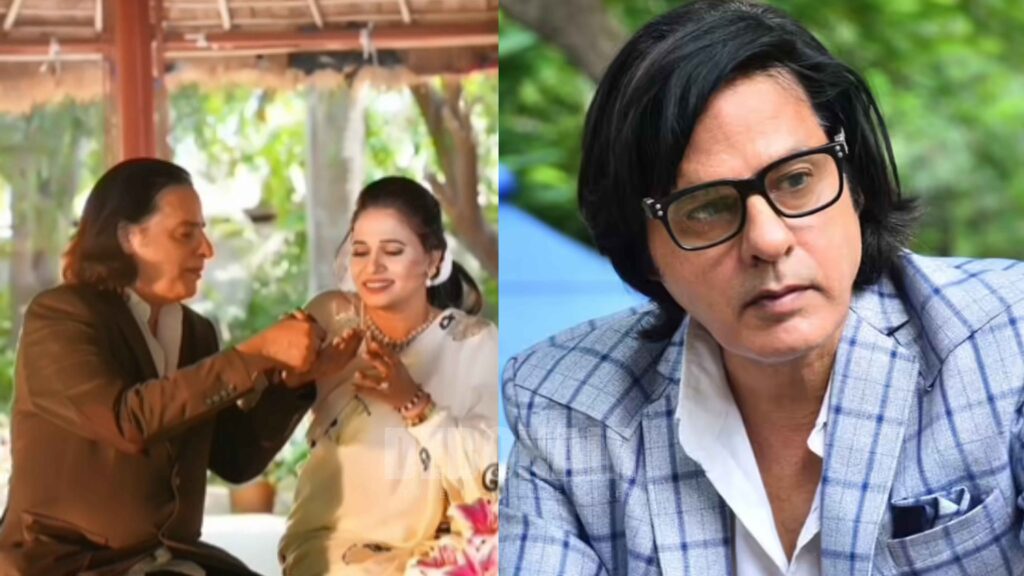
Romantic reels, nostalgic music videos, and collaborations with content creator Dr. Vanita Ghadage Desai. Clips of him performing the kind of songs that used to stop time in the early nineties, “Tere Dar Pe Sanam” from Phir Teri Kahaani Yaad Aayi, drifting through phone screens in 2026. Some people responded with warmth. Others were cruel in the way the internet sometimes is, casual and sharp, labeling the content cringe, labeling Roy’s presence in it sad.
He waited. And then, on April 30th, he responded.
The statement Roy shared on Instagram today wasn’t a PR move. There were no carefully vetted talking points, no publicist’s fingerprints anywhere on it. It read the way things read when someone has been holding something in and finally decides the weight of holding it is no longer worth it. He called out the mockery of his “simplicity” and his “struggles.”
He pointed out, with a kind of quiet dignity that cuts through noise, that people who choose to laugh at another person’s hard road say more about themselves than they ever say about the person walking it. That’s not a new observation, but when it comes from someone who genuinely earned the right to say it, it lands completely differently.
Truth is, Roy has been navigating something most people never fully recover from. In 2020, he suffered a brain stroke. The kind of medical event that rewires everything, your body, your relationship with time, your sense of what matters. He came back, slowly and without the fanfare a comeback usually demands. And then he kept going.
What the trolls missed, because trolling rarely makes room for nuance, is what Roy explained today with startling honesty. The legal battles that preceded his stroke didn’t disappear because he got sick. They’ve continued, quietly bleeding money, demanding attention, requiring resources he has to find through legitimate work because that is simply who he is. He said it plainly: “I have some legal matters to pay for, and these are not from today. They are from before the brain stroke happened.”
He asked, with no bitterness but with unmistakable clarity, that if anyone was genuinely concerned about him, they could help him find decent work. Not charity. Work.
There’s something about that distinction that deserves a moment. He’s not asking for sympathy. He’s asking for a fair shot. Those are two entirely different things, and a lot of people conflate them when they see someone struggling publicly.
Beyond the finances, Roy spoke about something that anyone who has navigated serious illness or trauma will recognize immediately. Staying active isn’t vanity. It isn’t desperation. It is medicine. After a stroke, the brain needs stimulus, purpose, and routine. It needs a reason to keep building new pathways, to stay alert, to feel like it belongs inside a life that still has somewhere to go. Roy said he works because it keeps his mind sharp and gives him responsibility. He said, and this is the line that stayed with me long after I read the post, “I want to work for as long as I am alive.”
That isn’t cringe. That’s survival with its chin up.
The reels, the music videos, the collaborations with digital creators, none of that is beneath the man who gave us Aashiqui. It’s the man who gave us Aashiqui adapting to the world as it actually exists right now, meeting audiences where they live, which in 2026 is very much on Instagram and very much in the middle of a reel loop at 11 pm. The medium changed. He changed with it. That’s not a fall from grace. That’s movement.
He closed his statement with a line that I suspect will outlast the trolling cycle that prompted it. “Yes, it may hurt a little sometimes, but you cannot break me.”
Rahul Roy has already survived the thing that was supposed to break him. Everything after that is just more life, and he intends to live it on his own terms, one reel at a time if that’s what it takes.
Stay updated with the latest in fashion, lifestyle, and celebrity stories—straight from the world of Debonair. Follow us on Instagram, X (Twitter), Facebook, Youtube, and Linkedin for daily style and culture drops.

Sana has been covering film, fame, and everything in between for over a decade. From red carpets to rehab rumors, she brings nuance, wit, and an insider’s edge to every story. When she’s not reporting, she’s probably watching Koffee With Karan reruns or doom-scrolling celebrity IG feeds.