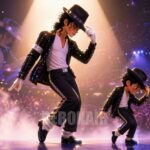


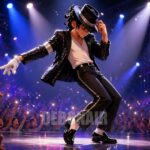

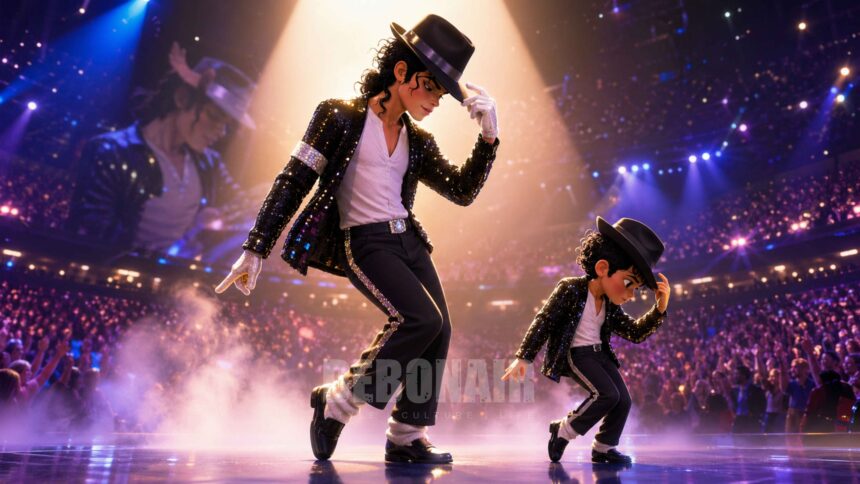
There is a particular kind of silence that Hollywood does exceptionally well. Not the silence of omission, exactly, but the silence of a story that stops just before the complicated part begins. That’s the silence you walk out of “Michael” carrying with you, somewhere around the third act, when the lights come up and Jaafar Jackson is still moonwalking across a stadium stage in 1988 and you think, wait, is that it? Is that where we’re stopping?
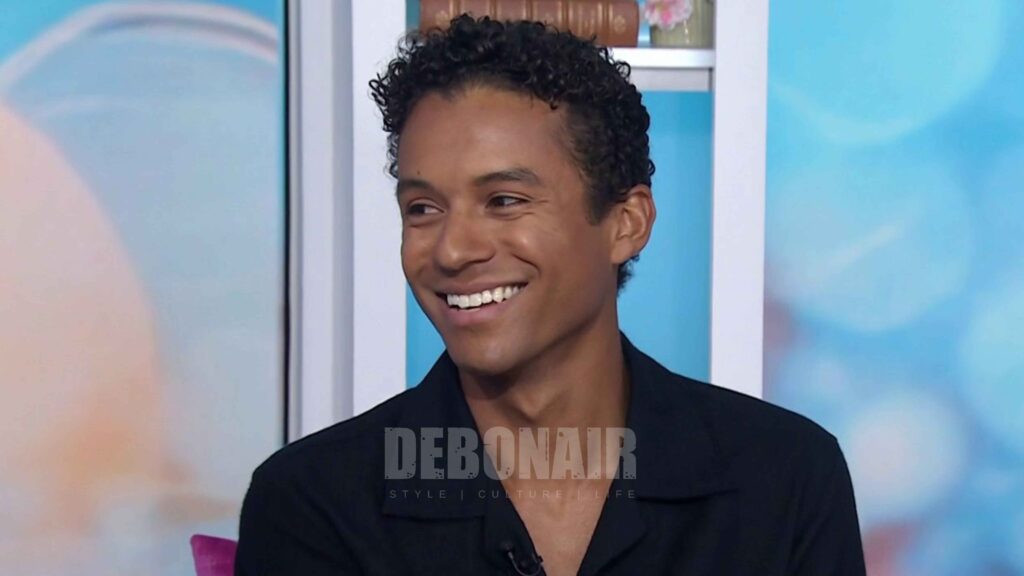
Yes. That is precisely where they stopped.
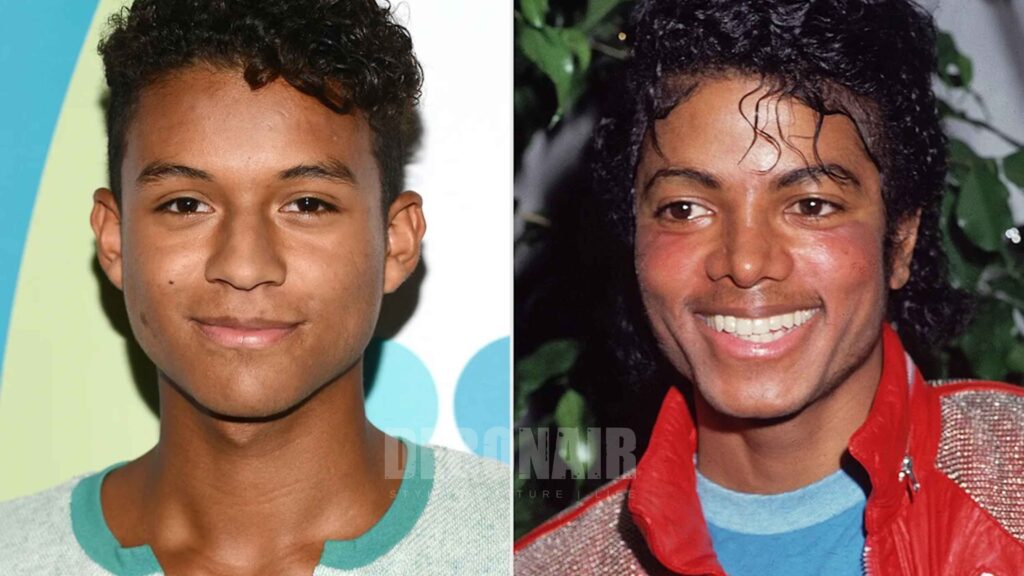
Lionsgate’s “Michael,” which hit theaters on April 24, 2026, is a spectacle in the truest sense. Two and a half hours of sequined costumes, thundering choreography, and one genuinely astonishing performance from Jaafar Jackson, the singer’s nephew, who carries the role with an eerie, almost uncomfortable physical and emotional resemblance to the man he’s playing. Critics, for all their reservations, have barely touched Jaafar’s performance. That’s the part everyone agrees on.
Everything else is up for grabs.
The film ends in 1988. The “Bad” World Tour. Stadiums roaring. The King of Pop at the absolute apex of everything he built. And then, a title card: “His story continues.” Roll credits.
What comes after 1988, of course, is the part the film doesn’t touch. The 1993 allegations. Jordan Chandler. The settlement. The years that reshaped how the world looked at Michael Jackson, not just as an artist but as a man. None of that is in this movie, and for weeks before its release, the entertainment press was already sharpening its knives around the question of why.
Here’s the answer, and it’s messier than most people expected.
The film underwent 22 days of reshoots to reshape its third act, all because of a legal settlement the Jackson Estate had simply overlooked. Director Antoine Fuqua and producer Graham King had originally shot a version of the film that did address the 1993 allegations. They filmed it. It existed. A legal clause in the settlement with accuser Jordan Chandler barred his depiction from being used for commercial purposes, but the attorneys for the Estate didn’t catch that clause until after scenes about the matter had already been produced.
So out came the third act. In came 22 days of additional filming, shot in June 2025.
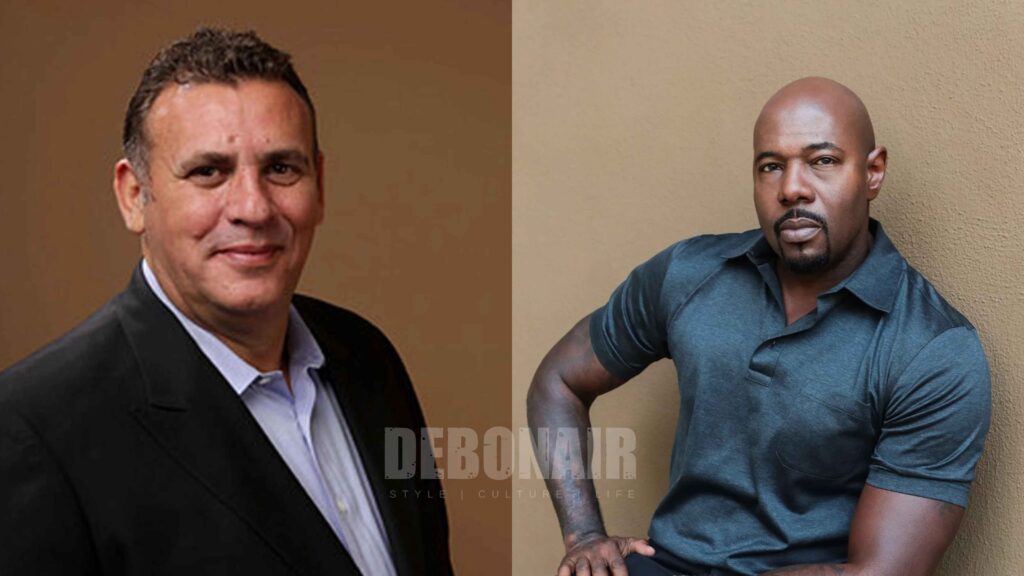
Director Antoine Fuqua and producer Graham King were originally set to be paid $10 million and $6 million, respectively, but Fuqua was paid an extra $15 million and King an extra $10 million by the Jackson Estate after the allegations were cut and the scenes were reshot. That’s $25 million in additional payouts on top of a production budget already ballooning past the $200 million mark. It is, depending on how you look at it, either a staggering administrative failure or a very expensive lesson about reading the fine print.
The production team has been careful to frame the omission as a legal obligation rather than a creative choice, and there’s something almost darkly funny about that argument. Hollywood sanitizes things all the time, for box office reasons, for estate approval reasons, for reasons that never get said out loud. Here, the sanitization came with a paper trail and a $25 million bill, which is at least refreshingly transparent about what the process actually looks like.
The decision to remove references to the allegations was also reportedly influenced by concerns that including them could hurt the film’s box office performance. Which tells you something, too.
Critics have not been kind. The film sits at 37% on Rotten Tomatoes as of this weekend, with reviewers largely landing on the word “sanitized” and staying there. James Safechuck, one of the two men whose allegations were explored in HBO’s 2019 documentary “Leaving Neverland,” released a video message on opening day addressed to other survivors of childhood sexual abuse. His statement didn’t make headlines for long, not next to the box office numbers.
Because audiences, it turns out, are not concerned about what the film leaves out.
Estimates for the opening weekend kept getting revised upward, with the film now opening to nearly $95 million domestically and over $206 million worldwide. That 97% audience score on Rotten Tomatoes is sitting next to that 37% critics score like two people at a dinner party who have absolutely nothing to say to each other. The public came. The public loved it. The critics, feeling the gap between what was shown and what existed, are processing the dissonance in real time.
Kat Graham also made headlines after confirming that her scenes as Diana Ross were cut from the film due to “legal considerations,” which suggests the legal obstacles around this production ran considerably deeper than just the one settlement clause everyone is talking about.
Truth is, “Michael” is two different films sitting inside the same runtime. One is a genuinely thrilling, visually alive tribute to one of the most extraordinary pop careers in history. The other is a movie that knows it’s being watched very carefully and has made its calculations accordingly. Both versions are playing simultaneously, which is perhaps the most Michael Jackson thing about it.
The filmmakers are now reportedly considering a sequel to continue telling more of Jackson’s story, covering the years the first film chose not to touch. Whether that sequel gets made depends on whether the demand justifies it, and this weekend’s numbers suggest the demand is very much there.
“His story continues.” Four words on a black screen, doing more narrative work than most epilogues manage. Whether that continuation ever reaches audiences is a different question entirely, and probably one that involves a lot more lawyers.
For now, what we have is 1988. Stadiums. Jaafar. Sequins.
And a very expensive silence where the rest of the story used to be.
Stay updated with the latest in fashion, lifestyle, and celebrity stories—straight from the world of Debonair. Follow us on Instagram, X (Twitter), Facebook, Youtube, and Linkedin for daily style and culture drops.

Zayn blends critical thinking with genuine fandom. Whether it’s decoding OTT series arcs or rating the latest Bollywood blockbuster, he writes with clarity, pop fluency, and a dash of irreverence.