





There is a specific kind of film that does not try to sell itself to you. No thundering background score designed to tell you what to feel. No trailer full of slow-motion punches and shouting. Just story, character, and a slow creep of dread that settles somewhere behind your sternum before you have even noticed it happening. The second case of Seetharam is that kind of film. And tomorrow, April 17, it lands on Amazon Prime Video, which means a whole lot more people are about to get very pleasantly disturbed.
This one took the long road to get here, which actually feels right.
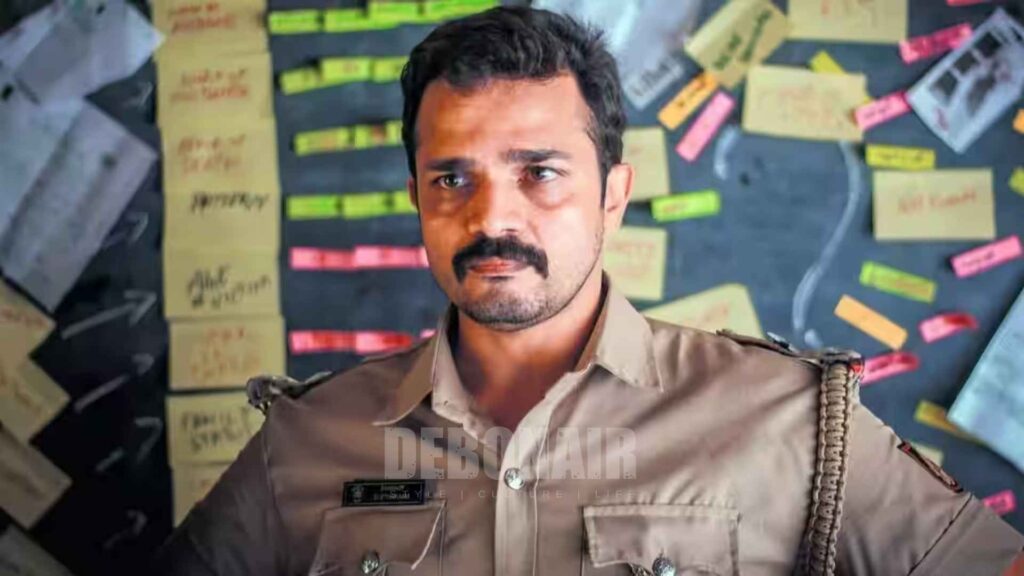
It started back in 2021 with Seetharam Benoy: Case No. 18, a Kannada crime thriller that most people outside the state either missed or caught late through a friend’s recommendation. It did not break records. It did not need to. What it did was quietly earn a following, the kind built entirely on genuine word of mouth, person to person, “you have to watch this” conversations. Inspector Seetharam was not a flashy protagonist. He was tired and thorough and real in the way that actually sticks with you. And when director Deviprasad Shetty brought him back for a second case, people who had seen the first one paid attention.
Second Case of Seetharam released in theatres on February 20, 2026, and the response was, to put it simply, warmer than most people saw coming. The story is set in Anegadde, a small town that suddenly finds itself in the middle of something it cannot make sense of. Middle-aged men are dying. One, then another, then another.
No obvious connection between them, no clear motive, no loose thread that immediately presents itself. Seetharam is brought in, takes one look at the pattern, and knows almost immediately that he is dealing with someone who is not acting out of anger or desperation. This is someone with a logic. Possibly even a philosophy. And that, more than anything, is what makes the case so deeply unsettling.
But here is the thing about this film that the premise alone does not quite capture. It is not purely a whodunit. Running alongside the investigation, quietly and without making a fuss about itself, is a more personal storyline. Seetharam is trying to find his way back to an estranged sister. The two threads never feel forced together. They just exist in the same space the way grief and work tend to coexist in real life, each one occasionally spilling into the other at the worst possible moments. It gives the film a texture that most thrillers in this space do not bother with.

Deviprasad Shetty directs with real economy. Every scene has a reason to be there. Nothing is padded, nothing is inserted to soften the mood or break the tension unnecessarily. The killer’s psychology, when it finally comes together, lands with the kind of clarity that makes you sit back and exhale slowly. You are not left picking holes or rewinding to check if the logic holds up. It holds. Completely. And that is genuinely not common enough.
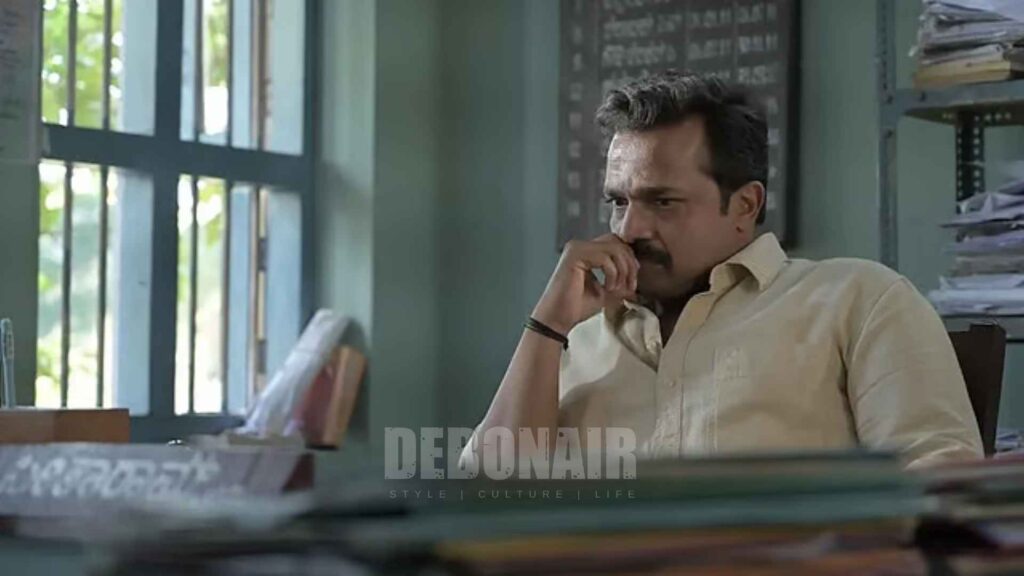
Vijay Raghavendra has always been an actor who works from the inside out. He does not announce his performance. You watch him and you believe him, which sounds like a low bar but is actually the hardest thing to pull off consistently across an entire film. Gopalkrishna Deshpande matches him well through the first half, the two of them sharing the screen in a way that feels collaborative rather than competitive. Usha Bhandari holds her own in a supporting role, and the decision to cast mostly new faces around the leads gives the whole thing an unpredictability that keeps you slightly on edge throughout.
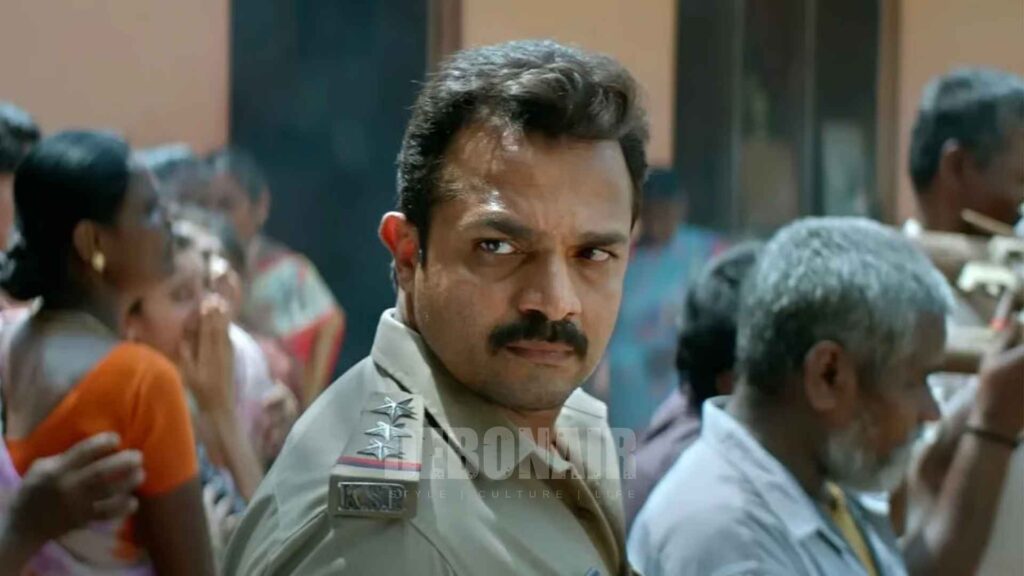
Pavan Wadeyar, the filmmaker who came on board to present the project, reportedly chose to back it because he saw something genuinely fresh in the concept for Kannada cinema. Looking at the finished film, you understand the instinct. It is not chasing a bigger market or trying to be something it is not. It knows its own scale and works entirely within it, which is its own kind of confidence.
Truth is, films like this tend to get half the attention they deserve during the theatrical window. Regional cinema moves differently. It depends on local momentum, on audiences showing up in the right numbers in the right weeks, on critics and fans spreading the word fast enough to matter. Sometimes that works out. Sometimes a film just quietly closes its theatrical run having impressed the people who saw it and reaching almost no one else. The OTT release is where the second chance happens.
Starting tomorrow, the film is available in Kannada, Tamil, Telugu, Malayalam, and Hindi. That reach changes everything. The word of mouth that has been circulating since February finally has somewhere to go.
If you have been meaning to dig into Kannada cinema properly, not just the hits that cross over but the films that represent what the industry genuinely does well at its quieter register, this is a good place to start. Slow-burn. Psychologically sharp. Earned in every moment. Inspector Seetharam does not make a lot of noise. Neither does the film. But both of them will stay with you longer than the loud ones usually do.
Stay updated with the latest in fashion, lifestyle, and celebrity stories—straight from the world of Debonair. Follow us on Instagram, X (Twitter), Facebook, Youtube, and Linkedin for daily style and culture drops.

Zayn blends critical thinking with genuine fandom. Whether it’s decoding OTT series arcs or rating the latest Bollywood blockbuster, he writes with clarity, pop fluency, and a dash of irreverence.