




The Man Behind the Myth: Piyush Mishra Finally Speaks the Unspeakable
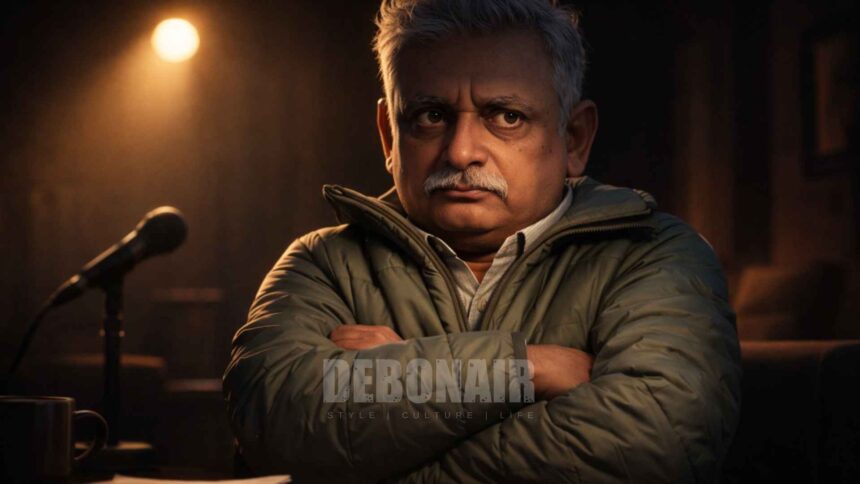
There’s a version of Piyush Mishra that Bollywood has always tried to romanticize. The tortured genius. The rebel poet. The man who stumbled onto stages with fire in his chest and came out the other side with songs that shook you somewhere deep and private. It made for a good story. The problem is, the real one is so much harder to look at.
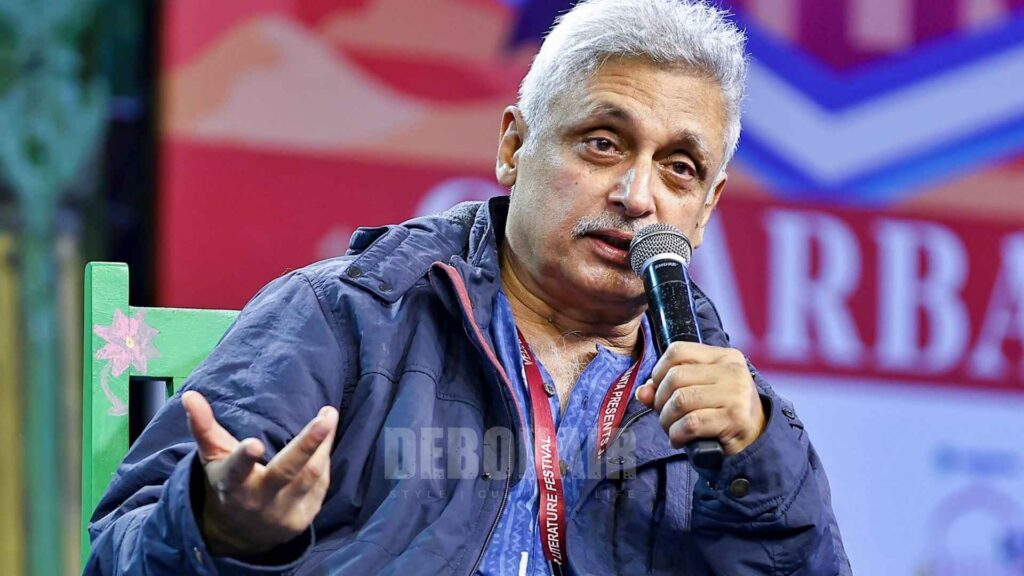
In a recent, remarkably candid conversation on journalist Shubhankar Mishra’s podcast, Piyush opened up about the years that most people in his position would have quietly buried, sealed, and never touched again. He didn’t. And that took something.
He called alcoholism a “deadly disease.” Not a phase. Not a chapter. A disease. The kind that doesn’t announce itself at the door, the kind that moves in slowly, rearranges the furniture of your personality, and by the time you notice something’s off, it’s already hosting dinner parties in your name.
Piyush admitted that during the worst of it, he made obscene, inappropriate phone calls to women. He had no memory of them by morning. That detail alone stops you cold. Because there’s something specifically terrifying about a version of yourself you’ll never meet, doing things you’d never consciously choose, and leaving wreckage you’re forced to inherit over breakfast. He only found out when the women called back, or confronted him, or simply disappeared. And what do you do with that? What do you say?
Honestly, you don’t say much. You just have to sit with it.
His mother bore the weight of it too. He spoke about the things he said to her while drunk, harsh and hurtful things, words aimed where only a son knows to aim. He admitted that even in those moments, part of him knew better. That the anger he was excavating had roots he should have let go of a long time ago. But alcohol strips away the restraint. It removes the filter between what you feel and what you’re willing to inflict. And so he inflicted it.
Professionally, the damage accumulated differently. He never drank on set, and he never drank before a performance. That particular line, he held. But the reputation preceded him anyway. The industry whispered. Colleagues were cautious around him. When you’re known as temperamental, as difficult, as someone who might combust without notice, the calls slow down. Opportunities find quieter hands to land in. He missed Maine Pyar Kiya in 1989, a film that eventually made Salman Khan a star, reportedly because of where his head was at during that period. Twenty years of drinking, and you can measure the cost in a lot of ways. Sometimes in relationships. Sometimes in roles.
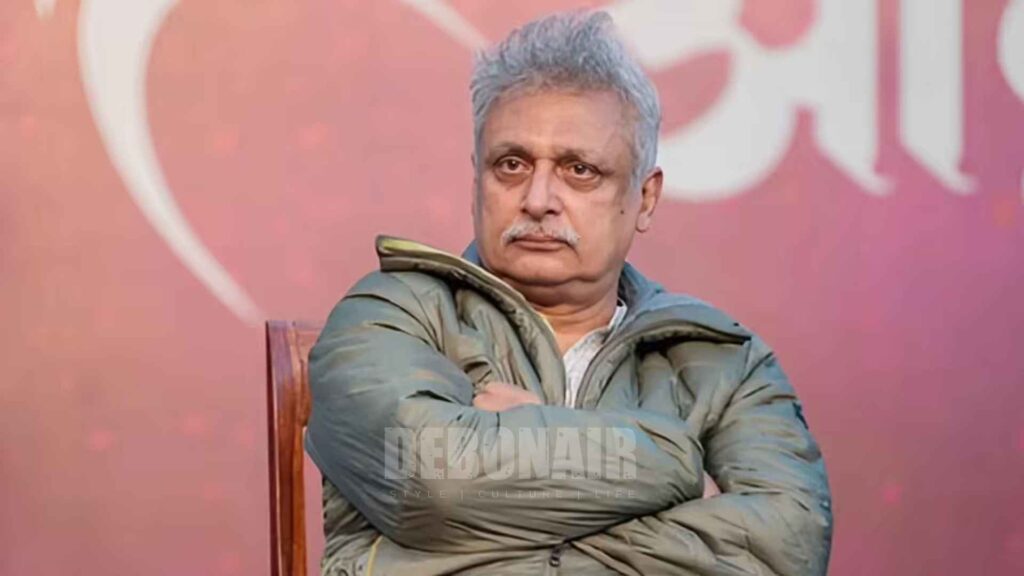
But here’s the catch with Piyush Mishra: the work survived it. Gulaal still burns with something feverish and alive. Husna still feels like it was written at 3 in the morning with trembling hands. He acknowledged that his “alcoholic mind,” as he put it, was deeply present in those creative spaces. It’s uncomfortable to reckon with, that some of the most emotionally honest art he made came out of a time when he was also, by his own admission, at his most destructive. There’s no clean moral to draw from that. Creativity doesn’t operate on a reward system.
The turn came in 2009. A brain stroke. The kind of full stop the body throws at you when it’s done negotiating. After that, Piyush turned toward Vipassana, the ancient meditation practice that asks you to simply observe what arises in you without reacting, without running, without reaching for a glass. It’s a quiet discipline. Not dramatic, not cinematic. Just you, sitting with yourself, learning to let a craving pass like weather.
He doesn’t claim sobriety as a badge. He said he still drinks occasionally, but that the grip has loosened. Control, not abstinence. That’s his truth, and it’s worth respecting for what it is, not measuring it against someone else’s recovery story.
What stays with you from everything he shared is the line about his career saving him. “Considering the kind of behavior I had displayed,” he reflected, “people would have beaten me to death.” There’s dark humor in it, and he delivers it with that dry, knowing quality he’s always had. But underneath it is something very real. The work kept people tethered to him. Gulaal. Gangs of Wasseypur. Rockstar. The voice, the words, the performances. They gave people a reason to stay patient.
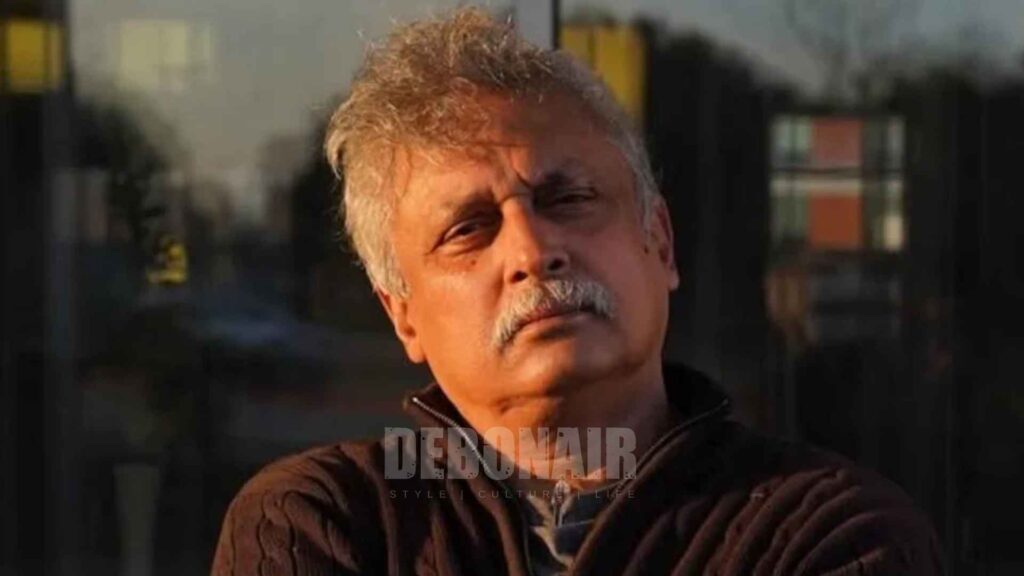
Truth is, not everyone gets a second act framed in that kind of cultural grace. Not everyone has art that buys them time. Piyush Mishra did, and at 49, with Gangs of Wasseypur, the industry finally stopped underestimating him and started actually watching. By then, he’d already walked through something most people don’t survive with their dignity even partially intact.
He came out the other side. Changed, still imperfect, but present. Willing to say the ugly things out loud on a podcast, in public, with his name attached to every word.
That’s not nothing. In fact, for someone who once couldn’t remember the calls he made in the dark, that kind of clarity is everything.
Stay updated with the latest in fashion, lifestyle, and celebrity stories—straight from the world of Debonair. Follow us on Instagram, X (Twitter), Facebook, Youtube, and Linkedin for daily style and culture drops.

Sana has been covering film, fame, and everything in between for over a decade. From red carpets to rehab rumors, she brings nuance, wit, and an insider’s edge to every story. When she’s not reporting, she’s probably watching Koffee With Karan reruns or doom-scrolling celebrity IG feeds.