




By Friday morning, the only place The Kerala Story 2: Goes Beyond was playing was inside a courtroom.
No fan shows. No first day first show selfies. No feverish hashtag wars about box office numbers. Just legal submissions echoing off high ceilings inside the Kerala High Court, where cinema met constitutional caution head-on.

On February 26, Justice Bechu Kurian Thomas hit pause. A 15-day interim stay. Clean. Direct. No theatrics. And the language? Sharp enough to slice through any PR spin.
The judge’s concern was not just about the film’s content. It was about the process that cleared it. The Central Board of Film Certification had granted a U/A 16+ certificate. That usually signals the final green light before popcorn machines fire up. But in court, that clearance was put under a microscope.
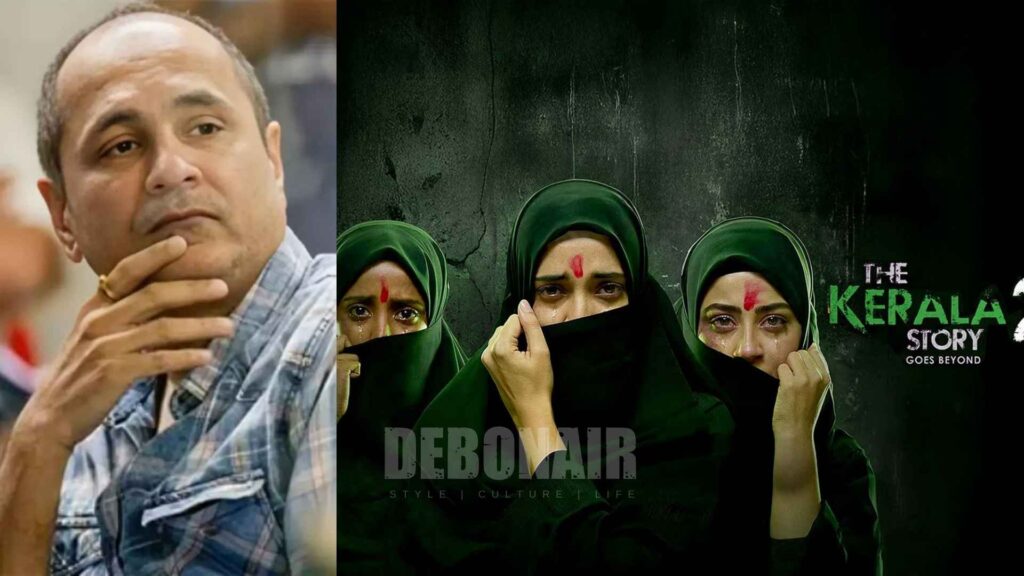
Justice Thomas questioned whether the CBFC actually applied the statutory guidelines under the Cinematograph Act, which explicitly prohibit content that could incite communal disharmony or demean religious groups. His observation that there appeared to be a “manifest disregard” of applicable law did not read like a casual aside. It read like a red flag.
And suddenly, the sequel stopped being just a sequel.
The flashpoints are easy to identify. The trailer reportedly features lines about converting Hindu girls. A promotional claim suggests India could be transformed into an Islamic state within 25 years. Petitioners argued that while the narrative spans multiple states, the title anchors the controversy to Kerala alone, potentially stigmatizing the state itself.
Titles matter. Branding matters. In today’s climate, perception travels faster than context.
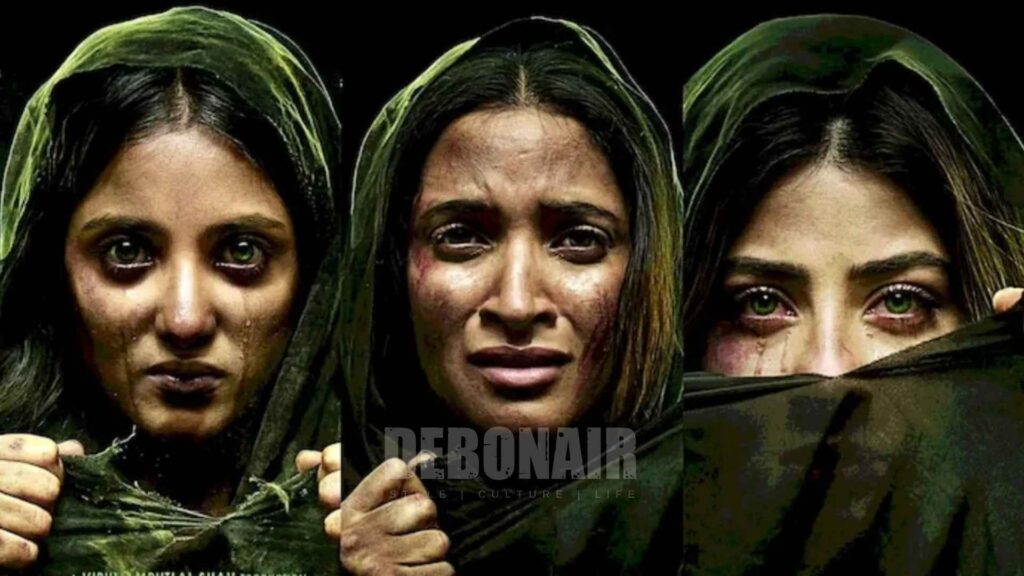
The producers offered to pull the teaser from social media. A tactical move, sure. But the court made it clear that removing a trailer does not erase the underlying concerns about the film’s theme. The stay remained.
Late that same night, producer Vipul Amrutlal Shah escalated the matter to a Division Bench. His argument was familiar and forceful: once a statutory body clears a film, judicial interference should be rare. The CBFC exists to evaluate and certify. If courts begin second-guessing every clearance, where does that leave artistic expression?
It is a question the industry has wrestled with for decades.

The Division Bench, comprising Justices Sushrut Arvind Dharmadhikari and P.V. Balakrishnan, heard the matter urgently. By the end of the hearing, the verdict was reserved. Translation for the trade: the stay continues. The film remains unreleased. Release plans remain in limbo.
And here’s the thing. In India, films do not exist in a vacuum. Especially not films that brush up against religion, politics, and identity. They arrive preloaded with meaning. Every frame is parsed. Every line is screenshotted. Every claim becomes a talking point.
The original The Kerala Story was already a cultural flashpoint. The sequel was never going to glide in quietly. But this latest development shifts the conversation from ideology to institutional responsibility.
Because the court’s strongest words were aimed at the gatekeeper.
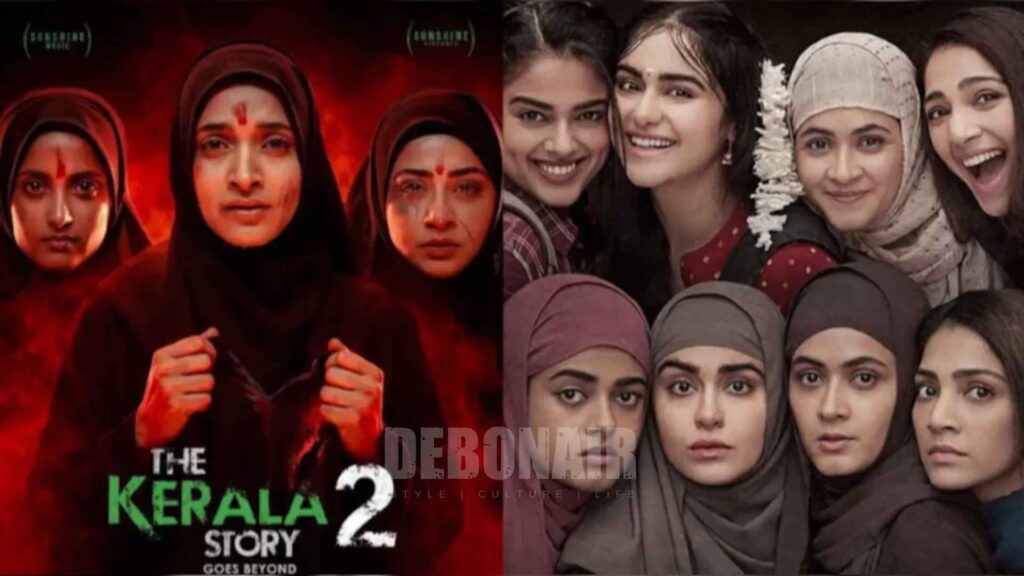
The suggestion of “non-application of mind” cuts deep. The CBFC is not meant to be a rubber stamp. Under the Cinematograph Act, it is tasked with ensuring that films do not incite passion or communal discord. The High Court’s view, at least at this interim stage, is that this duty may not have been discharged with sufficient care.
That is not a small procedural glitch. It is a structural critique.
Meanwhile, the Central Government has been directed to decide on a revision petition within two weeks. The 15 day stay remains in place. The Division Bench’s forthcoming order will determine whether the film moves forward to theaters or stays stalled.
In the background, the industry watches closely. Because this is bigger than one film. It touches on how certification works. On how far courts can step in. On where the line sits between provocation and harm.

Fans care because they sense that tension. Not just about what the film says, but about what its journey signals. Is this a free speech moment? A regulatory reckoning? A political flashpoint wrapped in a cinematic package?
Right now, it is all of the above.
And until the Division Bench speaks, The Kerala Story 2: Goes Beyond remains exactly where it is. Not on screen. Not in theaters. Just suspended between clearance and caution, waiting for the next order to decide its fate.
Stay updated with the latest in fashion, lifestyle, and celebrity stories—straight from the world of Debonair. Follow us on Instagram, X (Twitter), Facebook, Youtube, and Linkedin for daily style and culture drops

Zayn blends critical thinking with genuine fandom. Whether it’s decoding OTT series arcs or rating the latest Bollywood blockbuster, he writes with clarity, pop fluency, and a dash of irreverence.