



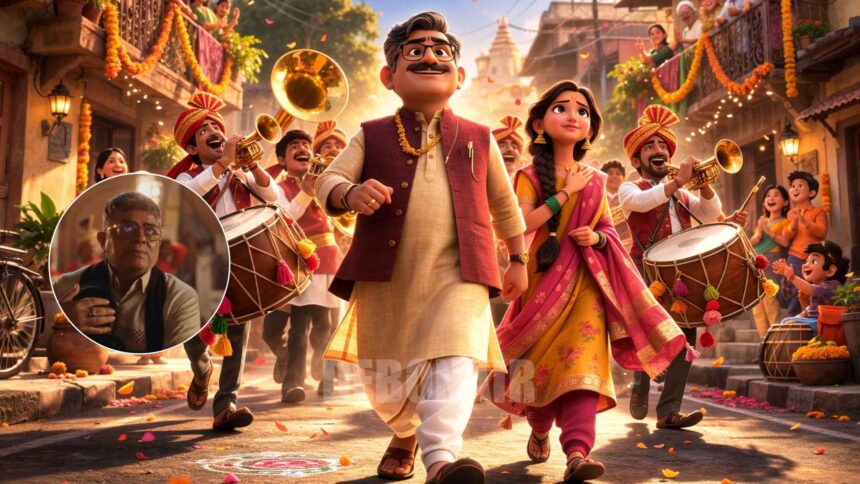
There is a moment, just before the dhol hits its first full beat, when the street feels suspended. A brass band in crisp uniforms, sunlight bouncing off trumpets, neighbors peeking through curtains. And at the center of it all, Gajraj Rao walking with that familiar, unhurried gravity. You think you know what’s coming. A wedding. A baraat. Another cinematic swirl of marigolds and obligation.
But honestly, it felt like something else from the very first frame.
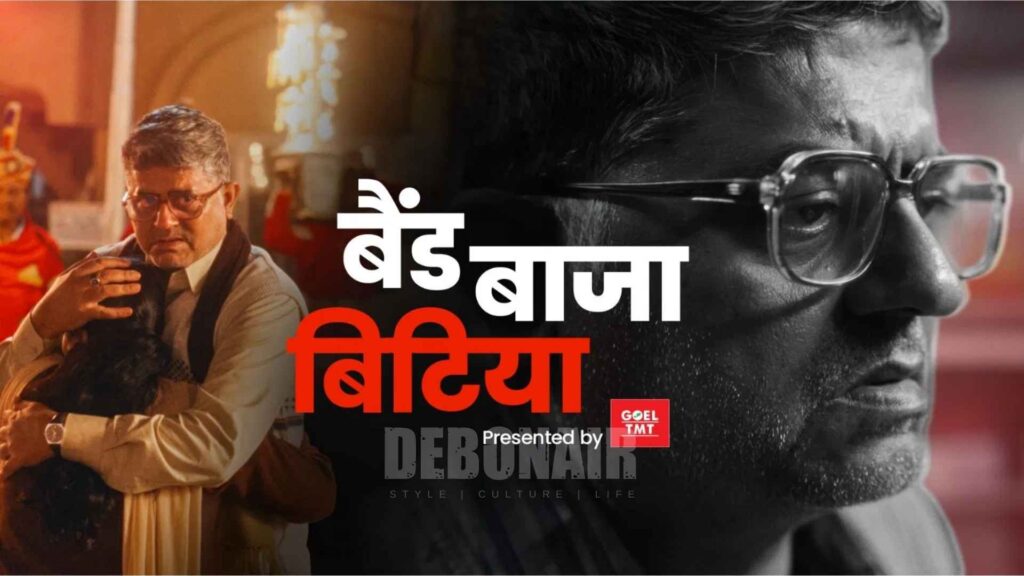
The new Goel TMT film, titled Band Baaja Bitiya, dropped today, February 25, and within hours it wasn’t just trending, it was trembling through timelines. There’s something about the way it unfolds, non-linear, almost teasing you with joy before gently cracking your heart open.
The opening is all celebration. Gajraj, in a pressed kurta, leads the band through narrow lanes. Kids trail behind. The brass is loud, unapologetic. You can almost smell the dust rising from the street, feel the heat of curious stares. It looks like a father proudly marrying off his daughter. That familiar, socially sanctioned milestone.
But the film cuts. Softly. Sharply.
A phone vibrates in the middle of the night. A daughter’s voice, fragile but trying to stay steady. She speaks of violence. Of humiliation. Of a home that has turned hostile. The scenes shift between the present-day band procession and these intimate flashbacks, and the contrast is almost unbearable. Celebration against silence. Music against muffled crying.
Truth is, we have all heard the lines that follow. Adjust. Compromise. Think about what people will say. Log kya kahenge. The film does not exaggerate this. It does not villainize with theatrics. It simply mirrors what so many women hear when they dare to say, I am not safe.
Relatives murmur about reputation. Neighbors whisper about family honor. The daughter’s pain becomes a negotiation.
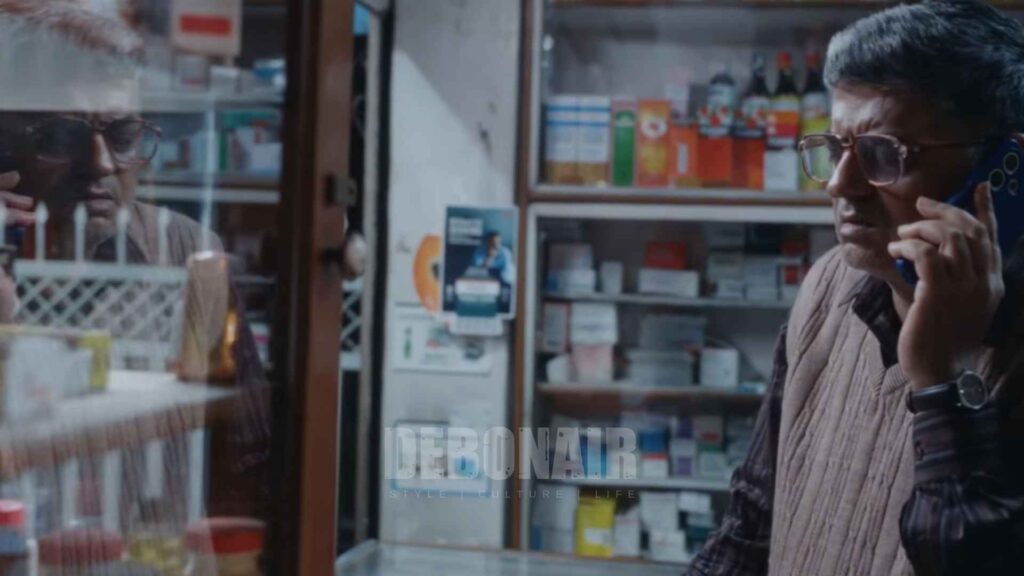
But here’s the catch. Gajraj’s character does not flinch.
In one of the film’s most powerful turns, the two timelines collide. The band, we realize, is not for a wedding. It is for a homecoming. He arrives at his daughter’s in-laws’ house with the full force of celebration, not to give her away, but to bring her back. The dhol is no longer background noise. It is defiance.
There is a line he delivers that lands like a verdict: “Ye na koi parai hai, nahi dhan.” She is neither a stranger nor property. In a country where daughters are still spoken of as paraya dhan in everyday language, that single sentence feels revolutionary. Not screamed. Not dramatized. Simply stated, like an undeniable truth.
And just like that, the narrative shifts from shame to pride.
The final frames are quieter. A reminder that many women suffer in silence because the one place that should be a sanctuary often becomes a tribunal. The message is clear, but never preachy. Stand by your daughters. Not in whispers. In full volume.
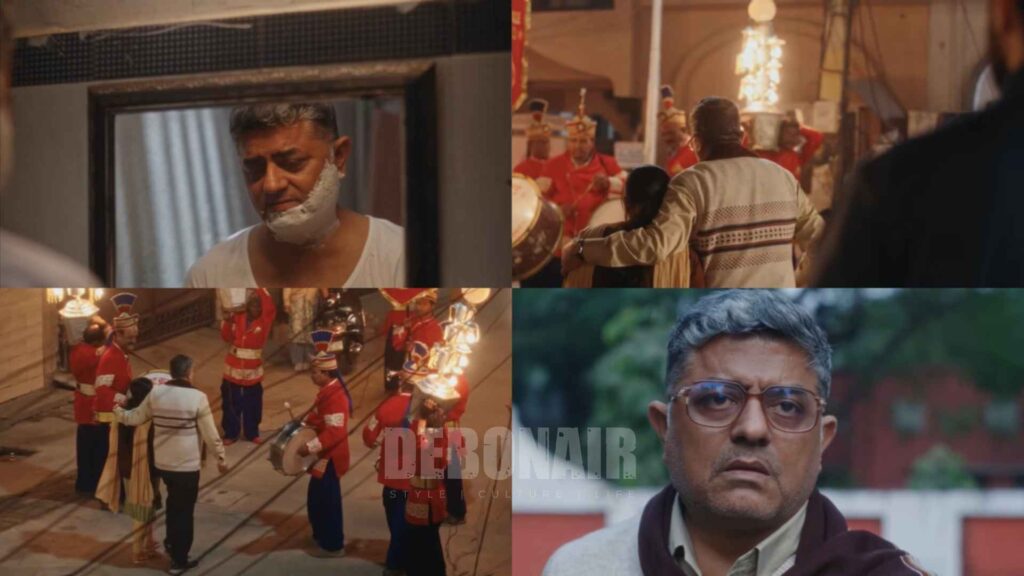
If this story feels familiar, it’s because it is not just fiction. In 2023, a father in Ranchi brought his daughter home with a brass band after she chose to leave an abusive marriage. The images went viral then too, equal parts celebratory and confrontational. In 2024, Kanpur saw a similar scene. A father refusing to treat divorce as disgrace, turning what could have been hushed into something public, proud, almost festive.
Those real-life echoes give Band Baaja Bitiya an extra layer of weight. This is not just clever storytelling from a steel brand. It is cultural commentary wrapped in rhythm.
Social media reacted in waves. Within hours, comment sections filled with “Din ban gaya ye dekh ke.” This made my day. People admitted to crying. Some said they watched it twice. On Instagram and X, stories poured in. One user wrote about her father driving overnight to rescue her from a violent home. Another shared how her parents stood firm against relatives who insisted she return to a toxic marriage for the sake of appearances.
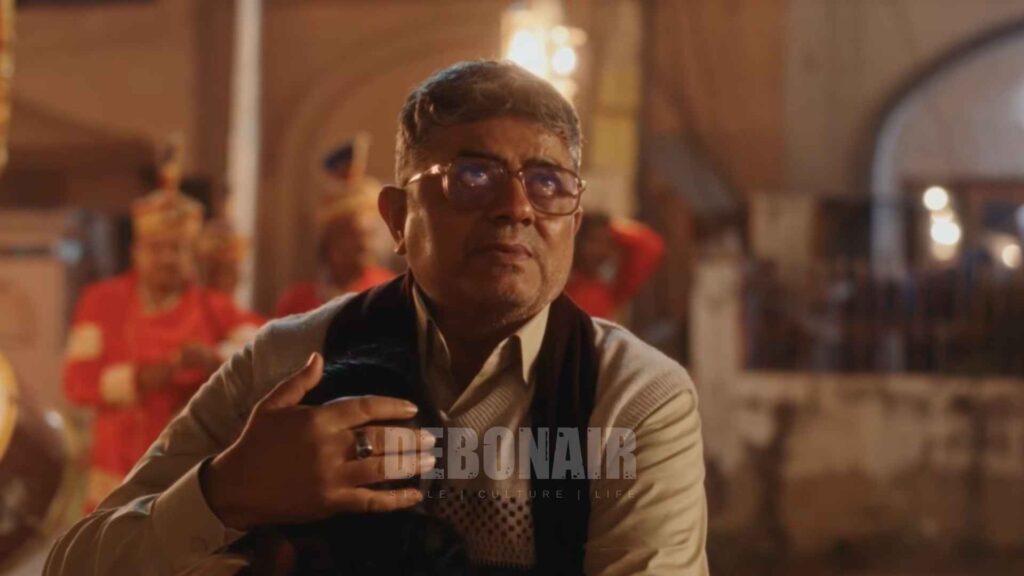
There’s something about seeing a father choose his daughter over society that hits differently. Especially when portrayed by Gajraj Rao, whose screen presence has always carried a quiet integrity. He does not perform heroism here. He inhabits it. His eyes do most of the work. A flicker of pain. A steady resolve. The refusal to bow to gossip.
And let’s talk about the brand for a second. Goel TMT, a name associated with steel and strength, leans into metaphor without being heavy-handed. The subtext writes itself. Strength is not just structural. It is emotional. It is moral. It is the ability to stand tall when everyone around you is bending under pressure.
In a media landscape flooded with quick laughs and shallow virality, this ad lingers. It asks uncomfortable questions. Why do we celebrate sending daughters off with music but hesitate to welcome them back with the same pride? Why is endurance in suffering still glorified? Who decided that silence equals dignity?
The genius of Band Baaja Bitiya is that it does not lecture. It stages a procession. It lets the drums speak.
By the time the screen fades, you are left with the echo of brass instruments and a quiet, stubborn hope. That may be why more fathers will choose band over blame. That may be more families will trade shame for solidarity.
Honestly, it felt like watching a small cultural shift happen in three minutes flat. A reminder that sometimes, the most radical act is simply saying, Come home.
Stay updated with the latest in fashion, lifestyle, and celebrity stories—straight from the world of Debonair. Follow us on Instagram, X (Twitter), Facebook, Youtube, and Linkedin for daily style and culture drops

Zayn blends critical thinking with genuine fandom. Whether it’s decoding OTT series arcs or rating the latest Bollywood blockbuster, he writes with clarity, pop fluency, and a dash of irreverence.