




By the time I finished my evening tea, my phone would not stop buzzing. One trailer. Three minutes. And suddenly everyone has an opinion.
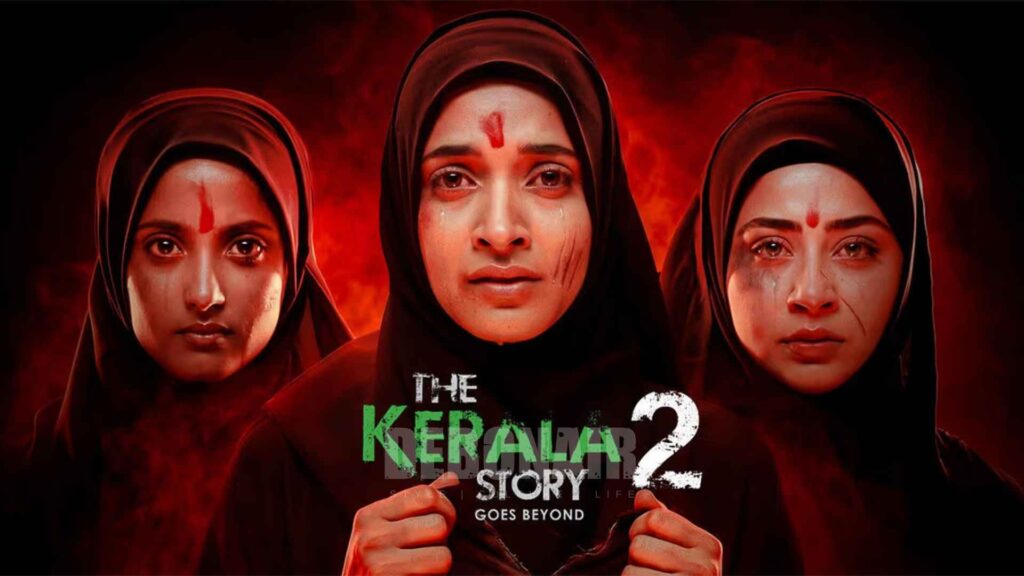
On February 17, 2026, the trailer for The Kerala Story 2: Goes Beyond dropped online, and honestly, it did not take long for things to get loud. Some people shared it as if it were breaking news. Others forwarded it with angry captions. A few just sat back and watched the chaos unfold.
If you remember what happened with the first film, you already know this sequel was never going to arrive quietly. That movie made big money and even bigger noise. This time, the makers seem to have leaned straight into that storm instead of trying to avoid it.
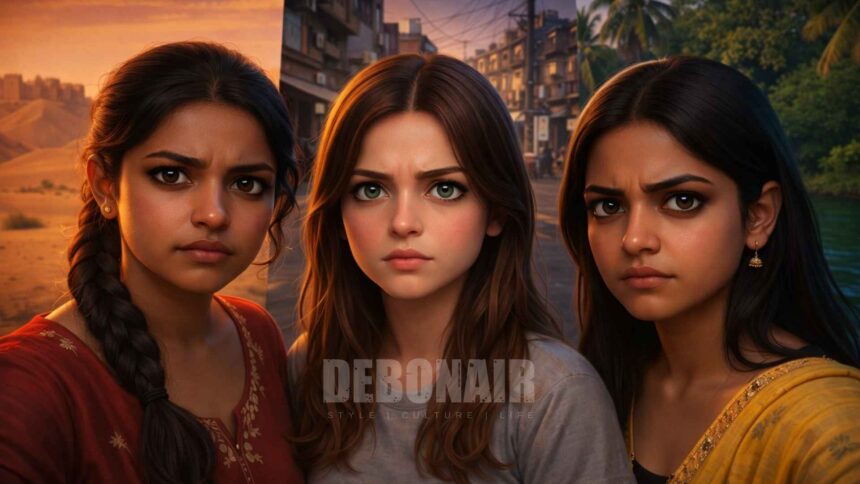
The film, directed by Kamakhya Narayan Singh and produced by Vipul Amrutlal Shah, moves beyond Kerala. That is right there in the title. The story now stretches across Rajasthan, Madhya Pradesh, and Kerala. Three different states. Three young women. And one theme that ties their stories together.

The trailer shows three Hindu girls who fall in love. It begins softly, like any love story would. Smiles. Secret calls. Promises about forever. And then things start to shift. The mood darkens. Conversations become tense. Families look worried. According to the film’s narrative, these relationships turn into something far more troubling, involving pressure, emotional manipulation, and religious conversion.
It is heavy material. No sugar coating.
One of the first things the trailer throws at viewers is a warning about India’s demographic future over the next twenty five years. It sets a serious tone from the start. You can almost feel the makers saying, this is not just a love story, this is a larger issue. Whether people agree with that framing or not is a different matter.

The faces leading this story are relatively fresh. Ulka Gupta plays Surekha in the Rajasthan track. In the brief scenes shown, her character moves from innocence and hope to visible shock. Aditi Bhatia appears as Divya from Madhya Pradesh, caught in what looks like a web she did not see coming. Aishwarya Ojha portrays Neha in the Kerala portion, and her scenes seem the most emotionally charged, filled with confrontation and inner struggle.
What feels different this time is the tone of resistance. The line that sticks is simple and direct: Ab sahenge nahi… ladenge. We will not tolerate it anymore. We will fight. It sounds less like film dialogue and more like something people might chant in a rally. The message is clear. The characters are not just victims. They are shown pushing back.
Within hours of the trailer going up on the Sunshine Pictures YouTube channel, the view count shot up into the millions. The comments section filled up fast. Some viewers praised the film for raising awareness. Others accused it of spreading fear and targeting a specific community.
On X, hashtags related to the film began trending almost immediately. Supporters called it brave. Critics called it dangerous. The middle ground seemed very small.
And that is what makes this moment interesting. People are not reacting like this is just another Friday release. They are reacting as if it is a statement about society itself. It has already moved beyond cinema into conversation about religion, politics, identity, and trust.
There is something about controversial films. They do not just entertain. They trigger. They make people choose sides. Sometimes they open discussions. Sometimes they harden opinions.
From what the trailer shows, the storytelling leans into tension. Close-up shots of teary eyes. Raised voices. Parents looking worried. Girls looking confused and later determined. It is dramatic. It is emotional. It wants you to feel something strong.
The theatrical release is set for February 27, 2026. That is just around the corner. If the online reaction is any sign, the days leading up to the release will be filled with debates on television panels, YouTube discussions, and endless social media threads.
In the end, every viewer will walk into the theater with their own mindset. Some will go in believing it is an important warning. Others will go in expecting propaganda. Some may just go out of curiosity to see what all the noise is about.
One thing is certain. The conversation has already begun. And in today’s world, sometimes the conversation is bigger than the film itself.
Stay updated with the latest in fashion, lifestyle, and celebrity stories—straight from the world of Debonair. Follow us on Instagram, X (Twitter), Facebook, Youtube, and Linkedin for daily style and culture drops

Zayn blends critical thinking with genuine fandom. Whether it’s decoding OTT series arcs or rating the latest Bollywood blockbuster, he writes with clarity, pop fluency, and a dash of irreverence.