




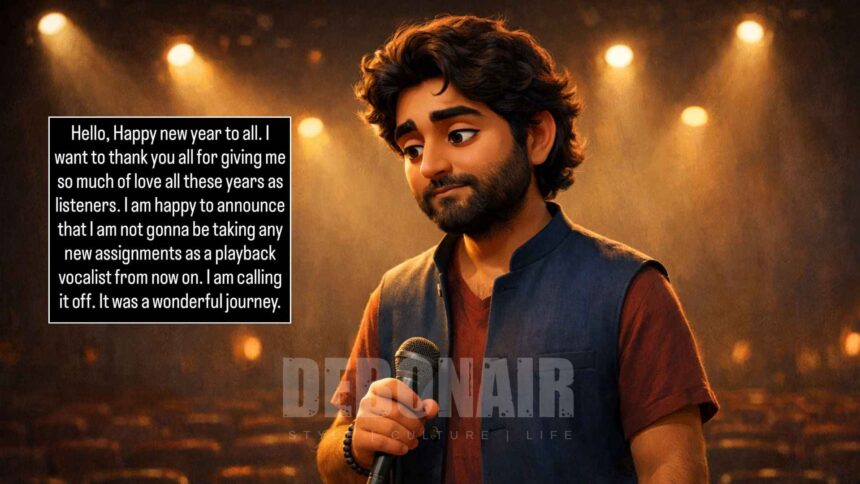
It did not arrive with drama. That was the strange part. No countdown. No farewell concert clips flooding timelines. Just a post, sitting there like any other, until you read it twice and feel that slow, uncomfortable drop in your stomach. On January 27, 2026, Arijit Singh said he was stepping away from playback singing. No more new film songs. He would finish what was already promised. Then he was done.
By January 28, nothing had changed, and everything had.
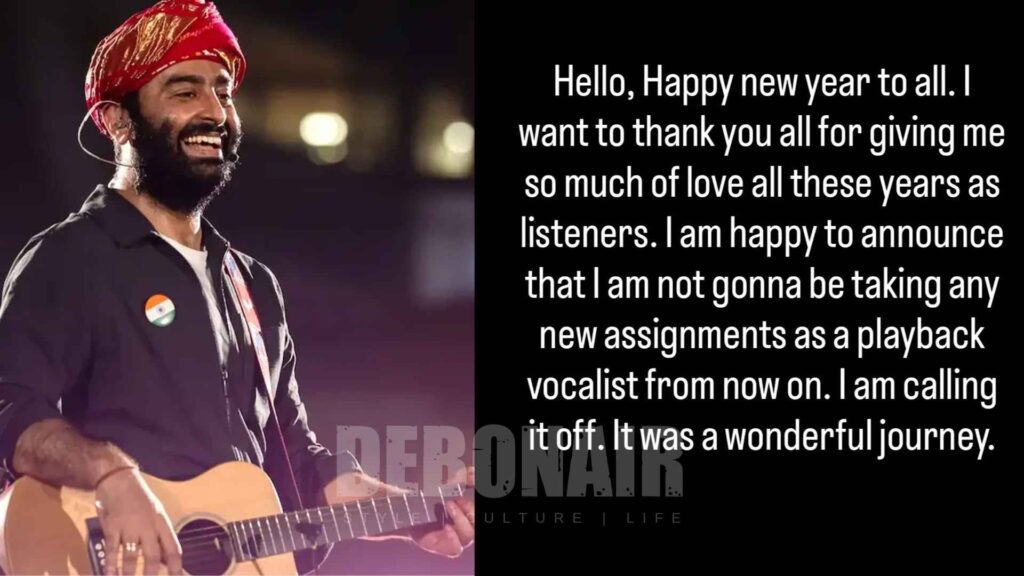
People kept refreshing, half-expecting a clarification. Maybe a misunderstood caption. Maybe a follow-up saying he meant a break. But there was nothing. Just reactions spreading out across social media, quiet at first, then louder, then emotional. It felt less like news and more like loss settling in.
What made it heavier was how calmly he said it.
A wonderful journey, he wrote. Gratitude. Growth. A pull back toward Indian classical music. Independent work. A simple admission of creative boredom. Not bitterness. Not burnout theatrics. Just honesty. And maybe that is why it hurt more than a dramatic exit ever could.
Arijit Singh was never someone people followed for personality. He was not loud, not performative, not constantly visible. He showed up, sang, and disappeared again. And somehow, that made his voice feel closer, like it belonged to listeners rather than the industry.
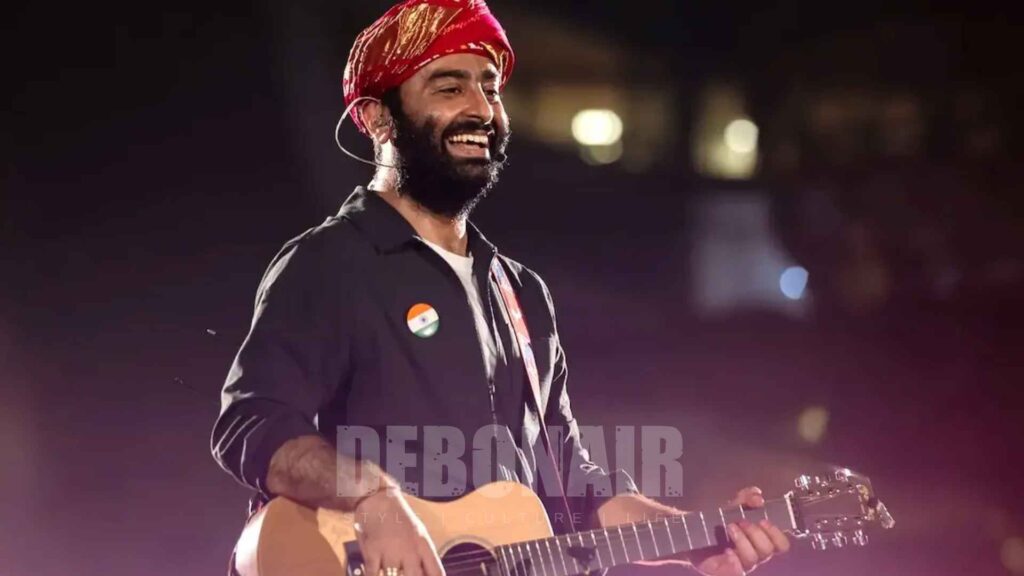
Since 2011, his voice slipped into everything. Over 600 songs, and that number still feels abstract because no one experiences Arijit in statistics. You experience him in moments. First heartbreak. Second chances. Late-night walks where nothing is wrong, but everything feels heavy anyway. Weddings where one song makes a room pause. Train journeys where the window reflection becomes more interesting than your phone.
Arijit did not dominate by trying. He dominated because he understood restraint. He sang pain without begging for sympathy. He sang love without dressing it up. Even happiness had a certain seriousness when it passed through his voice.
So when he said he was done with playback, people took it personally. Not in an entitled way. In a human way. Like someone saying they are moving away from the neighborhood you grew up in.
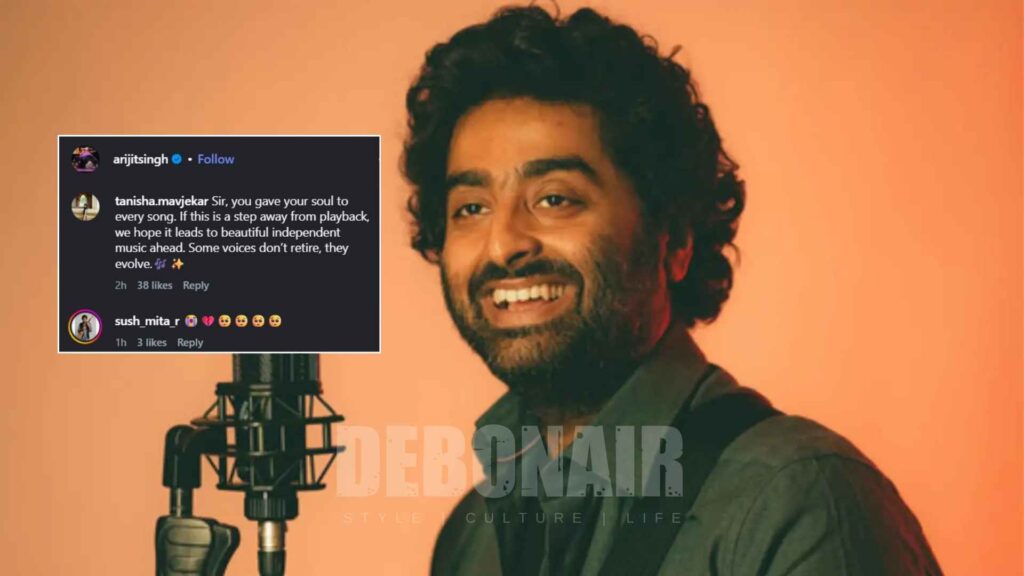
By January 28, the responses were still pouring in. Fans are calling it the saddest thing to happen in 2026, which sounds dramatic until you realize how many people used his music as emotional punctuation. Industry voices spoke up too, not polished, not strategic. Badshah sounded genuinely shaken. B Praak wrote like a friend processing news in real time. Amaal Mallik called it a wake-up call, and he was not wrong.
Because Bollywood got comfortable.
For years, Arijit became the default emotion. Need heartbreak. Call him. Need longing. Call him. Need something soft, safe, guaranteed to land. Call him. It worked, every time. But when one voice carries that much emotional labor, an industry stops searching.
And now there is a gap no one knows how to rush into.
His last major release, landing around Republic Da,y felt quietly symbolic, even if it was unintentional. No farewell framing. No grand goodbye. Just another song doing what his songs always did, sliding into people’s lives without asking for attention.
What matters is what he chose instead.
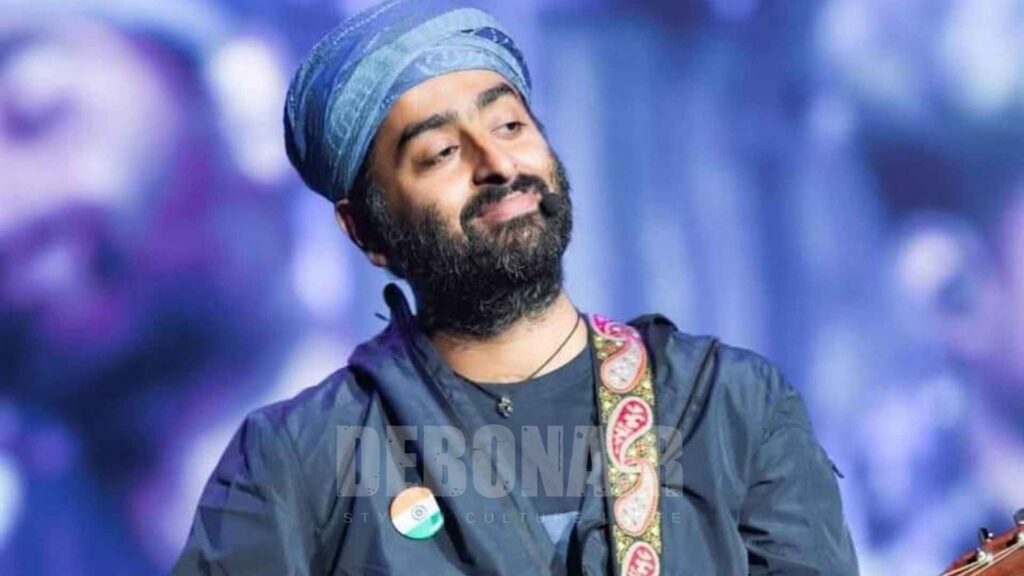
Independent music. Slowing down. Returning to classical foundations that demand patience and discipline, not instant validation. Spaces where music is allowed to breathe. Where silence is not a problem. Where a note does not have to resolve quickly because a scene is waiting.
Playback singing, for all its glamour, is still about serving someone else’s story. After years of that, wanting to serve your own curiosity does not feel like quitting. It feels like self-respect.
There is also something rare about leaving before the applause fades about stepping away while people still want more. Arijit could have stayed indefinitely. The demand was not drying up. But repetition, even successful repetition, has a way of hollowing things out.
By January 28, there were still no new statements. Just people reposting old performances. Concert clips where the crowd sang louder than he did. Grainy videos from phones held too high, too long. It felt like instinctive preservation. Like everyone was saving what they already knew mattered.
He will still be heard this year. Songs already recorded will arrive, and they will sound familiar and comforting. And then, gradually, playback will have to adjust to his absence. Not with a replacement. With uncertainty.
Some artists change culture by arriving at the right moment. Others do it by knowing when to leave.
Arijit Singh chose the quieter option. And somehow, it is louder than anything he could have sung on his way out.
Stay updated with the latest in fashion, lifestyle, and celebrity stories—straight from the world of Debonair. Follow us on Instagram, X (Twitter), Facebook, Youtube, and Linkedin for daily style and culture drops.

Sana has been covering film, fame, and everything in between for over a decade. From red carpets to rehab rumors, she brings nuance, wit, and an insider’s edge to every story. When she’s not reporting, she’s probably watching Koffee With Karan reruns or doom-scrolling celebrity IG feeds.