




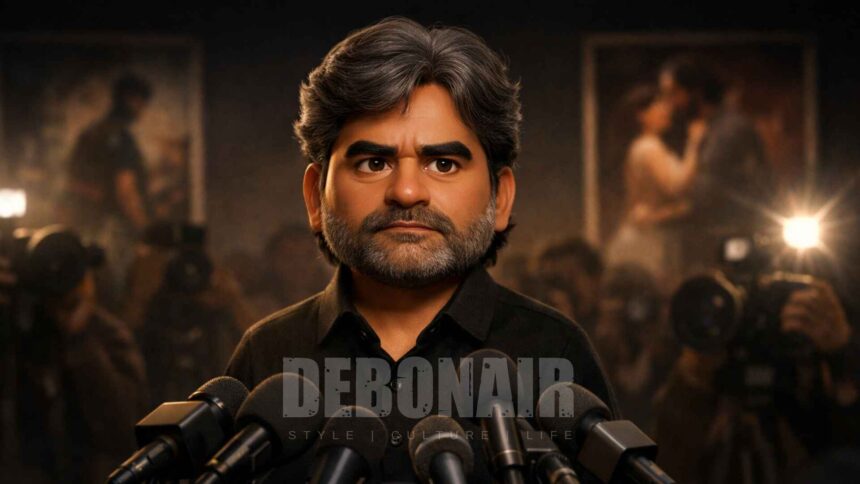
There is a particular tension that creeps into Bollywood press events when a film walks in carrying baggage. You can feel it before a single question is asked. On January 21, at the trailer launch of O Romeo, the room wasn’t buzzing about performances or music. It was waiting. Waiting for one explanation.
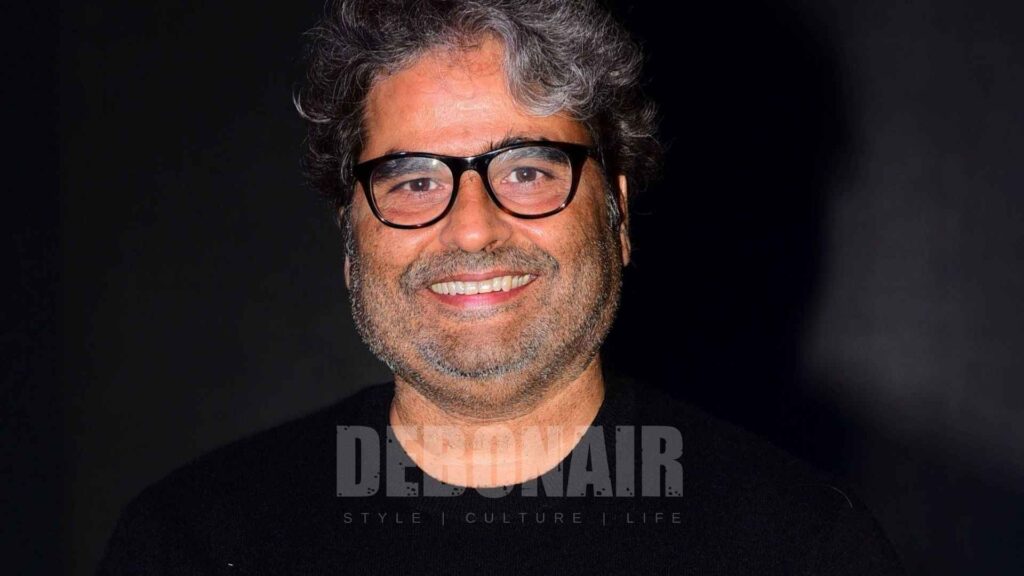
Vishal Bhardwaj knows that mood well. He has spent decades navigating the thin line between art and outrage, between inspiration and interpretation. When the inevitable question came up, about why he did not seek permission from gangster Hussain Ustara’s family, Bhardwaj didn’t dodge it. He leaned in.
His answer was plain, almost blunt in its simplicity. O Romeo, he said, is based on a published book. He legally bought the adaptation rights. End of discussion, at least as far as he is concerned.
The book in question is Mafia Queens of Mumbai by crime writer Hussain Zaidi, a title that has been circulating in the public imagination for years now. Bhardwaj explained that once a story is documented, published, and sold through proper channels, the responsibility of consent lies with the author at the time of publication. Not with the filmmaker adapting it later.
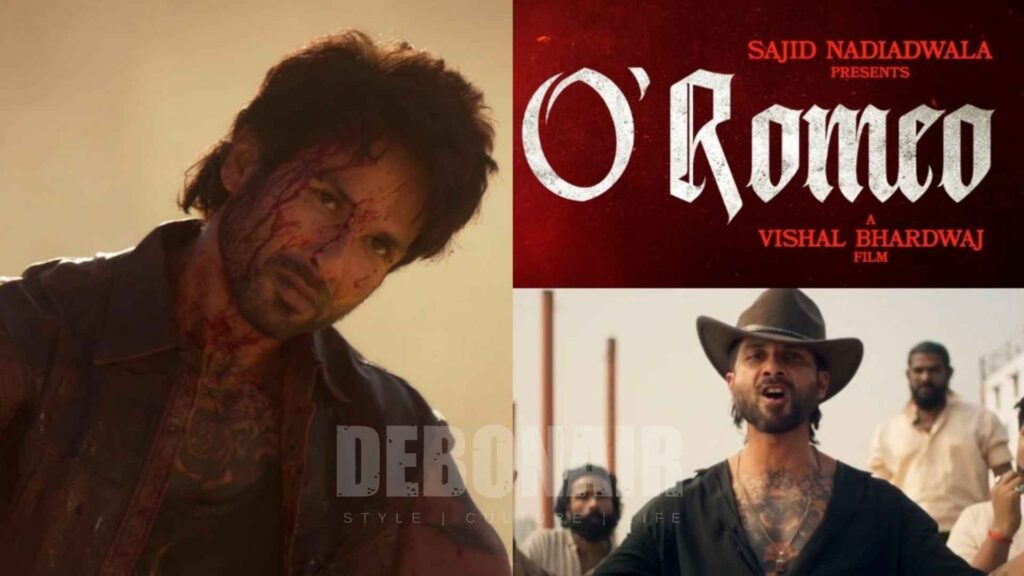
There was no dramatic flourish in how he said it. No attempt to soften the logic. He made it clear that while the characters in O Romeo may be rooted in the book, the film itself is layered with fiction. This is not a biography, not a moral record, and certainly not a family memoir. It is cinema, shaped by imagination as much as research.
The controversy began earlier when Sanober Shaikh, daughter of Hussain Ustara, sent a legal notice to the makers of the film. Her demands were specific and heavy. Compensation between Rs 1 and 2 crore, and a delay in the release. Her objection focused on what she described as an inaccurate and hurtful portrayal of her father, particularly a romantic angle involving a character inspired by him and a role played by Triptii Dimri.
If they are showing things related to my father, they should take our permission, she said. It is a sentence that carries grief, control, and a desire to protect legacy all at once.
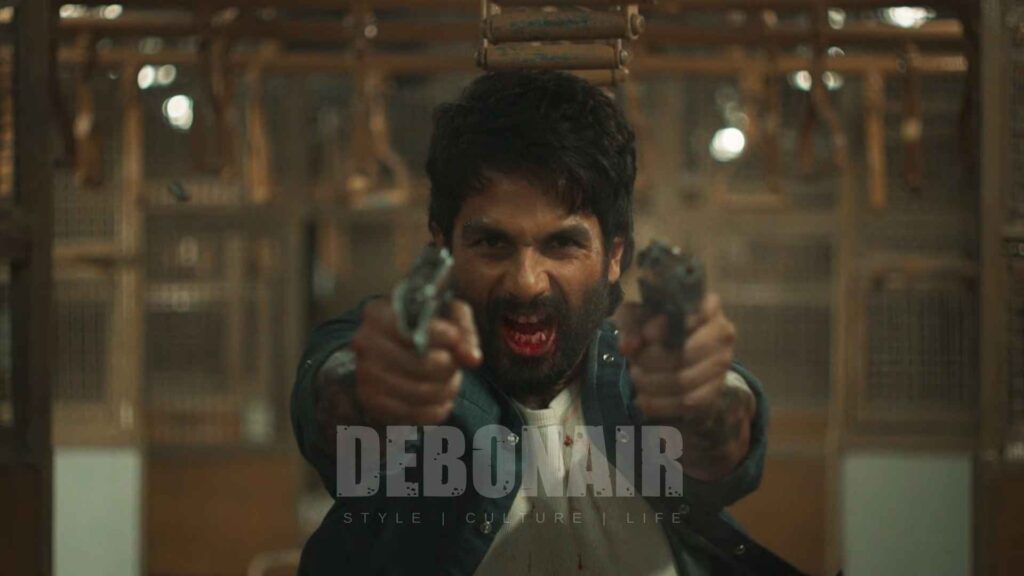
But here’s the catch. Hindi cinema has always lived off stories pulled from real lives, especially those tangled in crime and power. From underworld dons turned tragic figures to shadowy backroom deals painted in poetic light, filmmakers have rarely waited for families to sign off. The industry runs on contracts, not emotional clearance.
Bhardwaj did not deny the discomfort this can cause. He simply drew a line around his role. According to him, once the rights to a book are purchased, the filmmaker’s obligation is to that agreement. Nothing more, nothing less. If consent was needed, he argued, it should have been sought when the book itself was written and released.
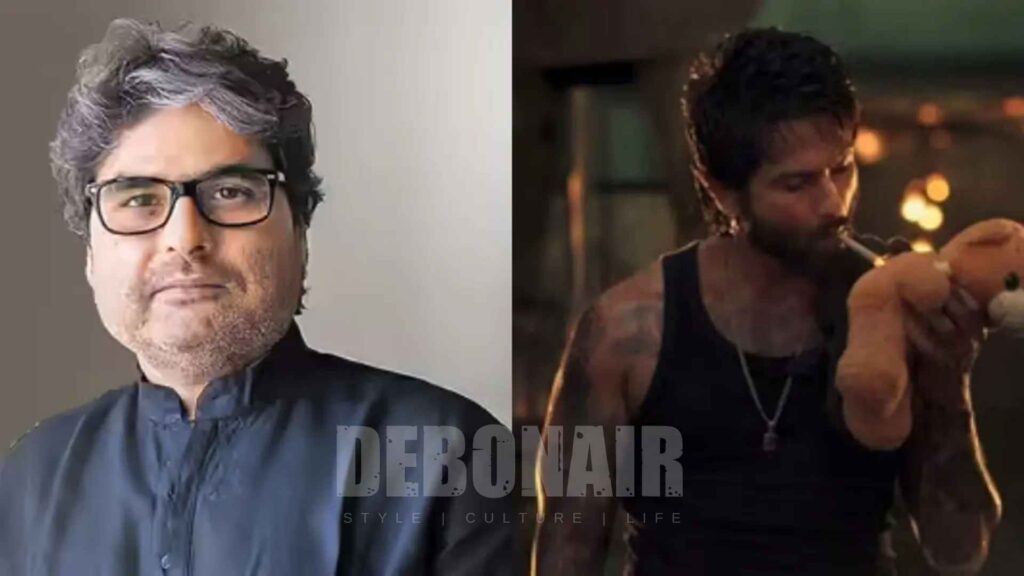
There is something almost old school about his stance. It reflects a generation of filmmakers who believe cinema cannot survive if it is constantly negotiating with personal sentiments tied to public stories. Especially stories that were never private to begin with.
Still, the timing of this debate matters. Audiences today are sharper, more questioning. They ask who gets to speak, who profits, and who bears the emotional cost. Families of real life figures are no longer staying silent when they feel misrepresented, and the law is increasingly becoming their chosen language.
O Romeo now sits in that uncomfortable space where legality and morality do not neatly overlap. Bhardwaj seems aware of this, but unmoved by it. He stands by his film, his process, and his belief that creative freedom cannot function if it is governed by retrospective permissions.
What happens next will likely be decided in courtrooms, not press conferences. But the larger question lingers. When a life becomes a story, and that story becomes a product, who really owns it?
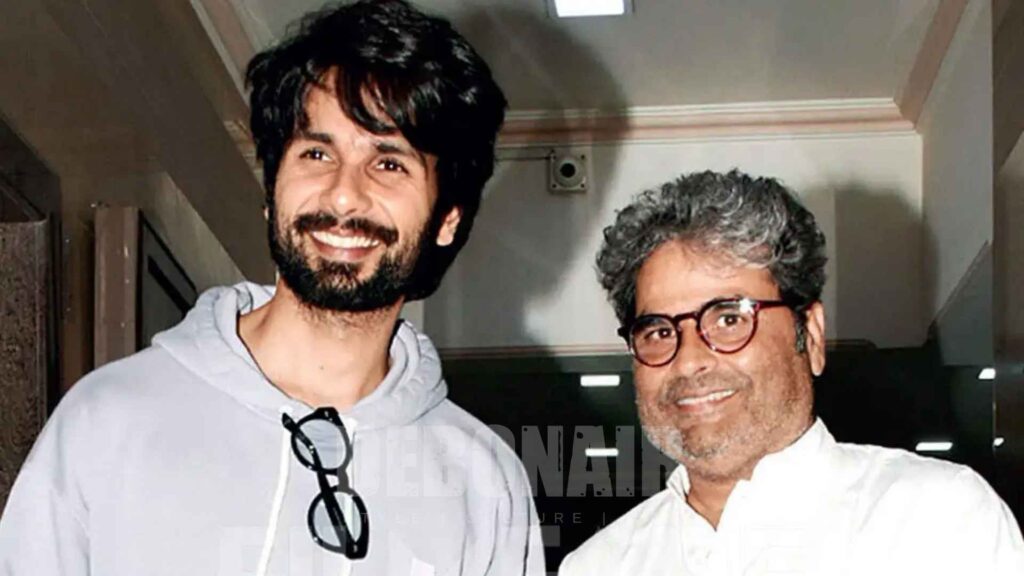
For now, Bhardwaj has made his position clear. O Romeo exists because a book existed, because rights were bought, and because cinema, in his world, is allowed to imagine beyond the consent of those left behind.
Whether audiences accept that imagination is something only time will tell.
Stay updated with the latest in fashion, lifestyle, and celebrity stories—straight from the world of Debonair. Follow us on Instagram, X (Twitter), Facebook, Youtube, and Linkedin for daily style and culture drops.

Sana has been covering film, fame, and everything in between for over a decade. From red carpets to rehab rumors, she brings nuance, wit, and an insider’s edge to every story. When she’s not reporting, she’s probably watching Koffee With Karan reruns or doom-scrolling celebrity IG feeds.