






The theatre smelled like buttered popcorn and impatience. It was well past midnight, that strange hour when cities soften, but the lobby was loud, alive, vibrating. Someone laughed too hard. Someone else argued about a plot point before the doors even opened. That was the first clue. This wasn’t routine footfall. This was hunger. This was Dhurandhar doing what very few films manage anymore, pulling people out of their beds, out of their scrolling, out of their comfort, and into a dark room together.
By December 14, 2025, the numbers had already done their talking. Over Rs 300 crore in India by Day 9. A second Saturday haul circling Rs 50 to 53 crore. Headlines everywhere. But numbers alone don’t explain why a film starts to feel like a moment. They don’t explain why theatres in Mumbai and Pune quietly added midnight shows, not as a publicity stunt, but because the existing ones were simply not enough.

Truth is, Dhurandhar has turned the box office into a living thing. It breathes. It grows. It surprises.
The second weekend was supposed to be the cooling-off period. That’s how the math usually works. Front-load the opening, brace for the drop, move on. Instead, Dhurandhar leaned forward. Collections climbed again. Trade analysts watched the second Saturday numbers roll in and had to recalibrate in real time. The Indian Express called it one of the strongest second Saturday performances of the year, a benchmark-resetter. NDTV put it bluntly: the film refuses to slow down.
There’s something deeply satisfying about watching expectations get politely ignored.
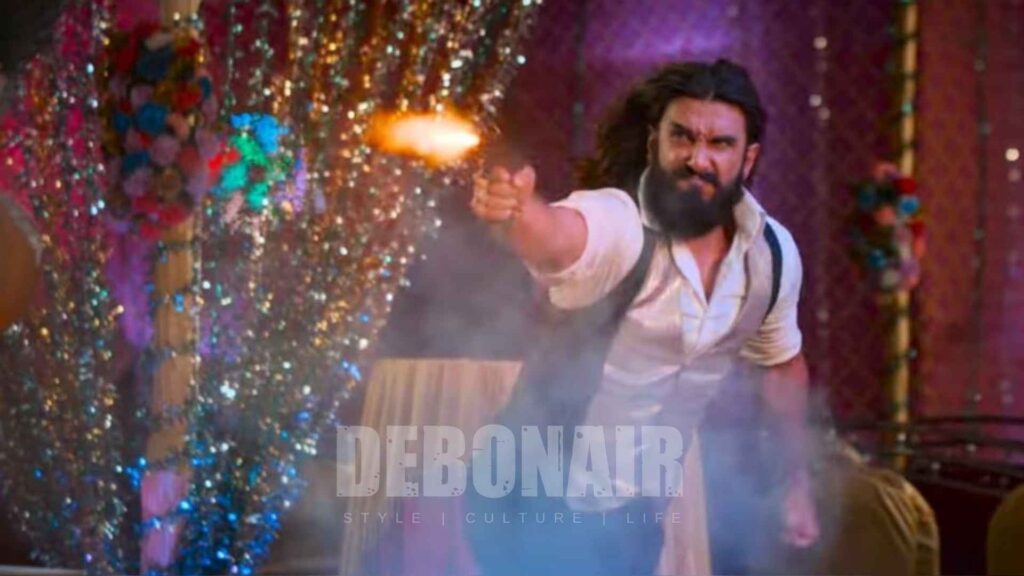
Part of this phenomenon sits squarely on the shoulders of Ranveer Singh, an actor who has always thrived on excess but here finds power in control. With Dhurandhar, he has reportedly crossed into a new personal record, becoming his highest-grossing Hindi lead domestically, overtaking even Simmba. What makes that detail delicious is timing. This peak didn’t come on Day 1, when curiosity sells tickets. It came on Day 9, when only conviction does.
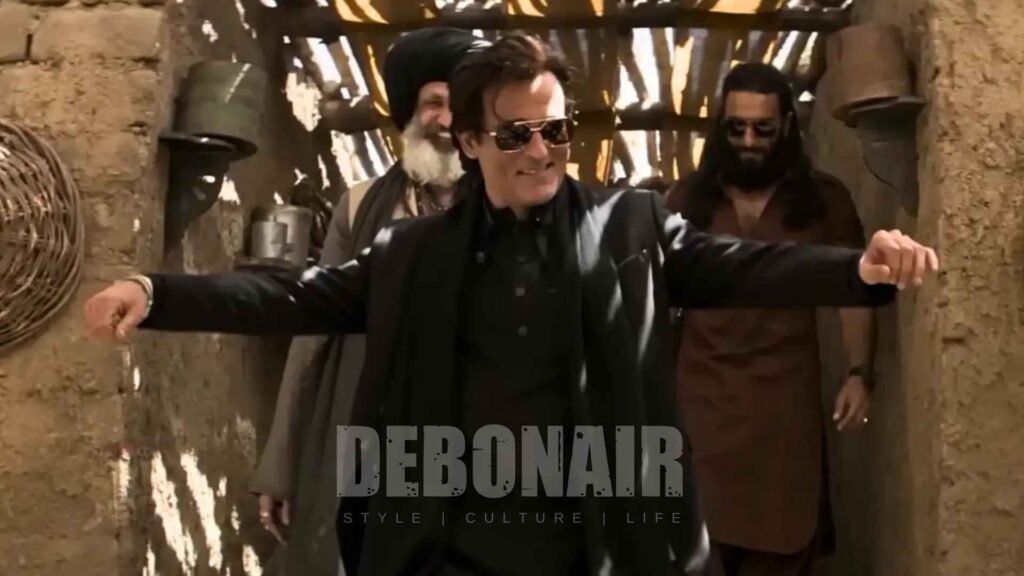
And then there’s Akshaye Khanna, whose presence feels like a reminder of what longevity actually looks like. Not reinvention for the sake of noise, but consistency sharpened by patience. Industry coverage has been quick to credit the film’s success not just to scale, but to performances that audiences trust. You feel that trust in the theatre. In the silence during key scenes. In the way people sit a little straighter.
The Times of India tracked the film’s march past Rs 290 crore with steady confidence, noting healthy occupancy even as the days stacked up. The Economic Times zoomed out further, framing Dhurandhar as a record-breaker across multiple categories this season, especially impressive given its adult certification and demanding runtime. Those two factors alone usually scare off casual viewers. Here, they seem to have done the opposite.
Honestly, it felt like the audience took that as a challenge.
What’s fascinating is how physical this success has been. Midnight shows aren’t just scheduling decisions; they’re cultural signals. They say people are rearranging their lives. Choosing cinema over sleep. Choosing shared experience over convenience. In a post-pandemic, post-streaming world, that matters more than any spreadsheet.
Outside one late show in Andheri, a group of strangers debated the ending like they’d known each other for years. Across the street, a chai stall was doing brisk business, the vendor grinning at the unexpected rush. These are the side effects no trade report captures. The ecosystem of a hit. The way a film spills into the night and keeps the city awake.
Forecasts now stretch beyond domestic pride. With India already firmly in the Rs 300 crore plus club by Day 9, worldwide projections are being revised upward. Rs 350 to 400 crore feels increasingly plausible. Some estimates, buoyed by overseas momentum and sustained urban demand, even whisper about nearing the Rs 500 crore mark if the run holds. Big numbers, yes. But more importantly, believable ones.
And just like that, Dhurandhar has become a case study. Not in hype, but in stamina. In an industry obsessed with opening weekends, this film is teaching a quieter lesson: that staying power still exists, that audiences will show up if they feel respected, challenged, and seen.
There’s a certain romance to this kind of success. It doesn’t scream. It accumulates. Night after night. Show after show. Long after the novelty should have worn off.
As the crowd finally drifted out of the theatre, someone said, half to themselves, “I need to watch this again.” That sentence is worth more than any crore figure. It’s the sound of a film embedding itself into memory.
Right now, Dhurandhar isn’t just winning the box office. It’s winning the argument for why theatres still matter. Why stories meant for the big screen need the big screen. Why, sometimes, the lights outside the multiplex really do deserve to stay on a little longer.
Stay updated with the latest in fashion, lifestyle, and celebrity stories—straight from the world of Debonair. Follow us on Instagram, X (Twitter), Facebook, Youtube, and Linkedin for daily style and culture drops.

Sana has been covering film, fame, and everything in between for over a decade. From red carpets to rehab rumors, she brings nuance, wit, and an insider’s edge to every story. When she’s not reporting, she’s probably watching Koffee With Karan reruns or doom-scrolling celebrity IG feeds.

Zayn blends critical thinking with genuine fandom. Whether it’s decoding OTT series arcs or rating the latest Bollywood blockbuster, he writes with clarity, pop fluency, and a dash of irreverence.